The 2026 Guide to the Best Pet ID Tags: Safety, Tech, and Design
Discover the complete guide to choosing the best pet id tags in 2026. We compare traditional engraved tags, GPS collars, and modern QR code tags like Pethna to help you choose the safest, most durable option for your dog or cat.
Every pet owner knows the gut-wrenching fear of a missing dog or cat. In those frantic moments, a single piece of identification can mean the difference between a happy reunion and a tragedy. The humble pet ID tag has been a staple of responsible pet ownership for decades, but the technology behind it has evolved dramatically. Today, the market is flooded with options—from classic engraved metal discs to high-tech GPS trackers and modern QR code tags. But what truly makes the best pet id tags in 2026? Is it durability? Readability? Ease of updating? Or the technology that powers the recovery process?
This comprehensive guide will walk you through everything you need to consider when choosing identification for your furry family member. We’ll dissect the materials, the tech, the legal requirements, and the real-world performance of different tag types. Whether you own a rambunctious Labrador who swims in every puddle or a curious indoor cat who might slip out an open door, finding the right tag is a critical safety decision. We will focus on durability, readability, and recovery speed, comparing traditional options with innovative solutions like the waterproof QR code tags from Pethna. By the end of this article, you will have the knowledge to make an informed choice that could literally save your pet’s life.
Why Pet ID Tags Still Matter in 2026
In an age of microchips and GPS collars, some pet owners question whether the classic ID tag is still relevant. The answer is a resounding yes. While a microchip is a permanent form of identification, it is not immediately visible. A lost pet must be taken to a shelter or vet clinic to be scanned, which can take hours or even days. GPS collars are excellent for real-time tracking, but they require battery power and a cellular signal, both of which can fail at critical moments. An ID tag is the first line of defense—the most immediate and accessible way for a stranger to identify your pet and contact you.
The best pet id tags provide a triad of safety: visibility, durability, and updatable information. When a Good Samaritan finds a loose dog, they instinctively look for a collar and tag. A well-designed tag with clear, readable information removes the guesswork. It bypasses the need for a microchip scanner and eliminates the reliance on battery-powered tech. In 2026, the smartest tags combine the instant visibility of a traditional tag with the dynamic, updatable nature of digital technology. This hybrid approach is why QR code tags have surged in popularity—they offer the best of both worlds.
Furthermore, the psychological comfort for the owner cannot be overstated. Knowing that your pet carries a clear, durable, and easily accessible ID gives you peace of mind during walks, travels, or even a backyard escape. Whether you are hiking in a remote area with spotty cell service or simply letting your dog into the fenced yard, the tag is a constant safety net. As we move further into the decade, the trend is clear: the best pet ID tags are no longer just stamped metal plates; they are sophisticated tools integrated into a comprehensive recovery system.
Key Features That Define the Best Pet ID Tags
Selecting the right tag requires evaluating several critical features. Not all tags are created equal, and what works for a sedentary indoor cat may fail for an energetic outdoor dog. To find the best pet id tags for your specific pet, you must consider material, readability, attachment method, and the underlying recovery system. A tag that looks beautiful but can't withstand a scratch or a swim is essentially useless. Similarly, a tag with tiny, worn-out engraving serves no purpose.
First and foremost, durability and material are paramount. The tag must endure constant contact with water, mud, grass, and rough surfaces. Stainless steel and anodized aluminum are the gold standards for longevity. They resist rust, corrosion, and fading far better than brass or plastic. A waterproof tag is non-negotiable for dogs that love to swim or for pets in rainy climates. The best tags are also scratch-resistant, ensuring that the information remains legible for years, not just months.
Second, readability and information accessibility are crucial. The text must be large enough to read without squinting. For QR code tags, the code must be high-contrast and resistant to scratching. The information itself should be easy to access. Does the finder need to download an app, or can they simply scan with their phone's camera? The best tags offer frictionless access—a simple scan that takes the finder directly to an owner's contact page. Additionally, the ability to update that information remotely (without buying a new tag) is a game-changer for owners who move or change phone numbers.
Third, size and weight matter for comfort. A bulky, heavy tag can irritate a small dog or cat, leading them to try to remove their collar. The best tags are lightweight and compact, designed to be unobtrusive while still being readable. Finally, the attachment mechanism must be secure. A weak split ring or a flimsy rivet can lead to a lost tag, defeating its entire purpose. High-quality tags use sturdy stainless steel split rings or riveted attachments that can withstand pulling and snagging.
Traditional Engraved Tags vs. Smart Tags (QR Code & GPS)
The pet ID tag market has broadly split into two categories: traditional engraved tags and modern smart tags. Understanding the differences is key to finding the best pet id tags for your lifestyle. Traditional tags are the classic choice—a metal disc stamped or engraved with a phone number and address. They are simple, cheap, and require no technology to read. However, they have significant limitations. The information is static; if you move or change your number, you need to buy a completely new tag. The text can also wear down over time, becoming illegible.
Smart tags, on the other hand, use digital technology to bridge the gap between the physical tag and the digital world. GPS trackers are the most advanced technically, providing real-time location data via a smartphone app. However, they are expensive, require frequent charging (often daily), and rely on cellular networks. For many owners, the cost and maintenance are prohibitive. QR code tags, like the one offered by Pethna, represent a smarter middle ground. They are passive devices—no batteries, no charging, no subscription fees. The best pet id tags in this category feature a unique QR code printed on a durable, waterproof surface.
When a finder scans the QR code with their smartphone camera, they are immediately directed to an online profile that contains the owner's contact information, medical notes, and even an owner-designated message. This digital profile can be updated instantly from the owner's phone or computer. If you move, change jobs, or temporarily board your pet with a friend, you can update the profile without buying a new tag. The winner here is clear for most owners: QR code tags offer a powerful combination of durability, zero maintenance, and dynamic information that traditional engraved tags simply cannot match. They are far more affordable and reliable than GPS collars, and they provide instant, frictionless communication between the finder and the owner.
15-day free trial — No commitment
All premium features unlocked. No credit card required. Protect your pet in 2 minutes.
Try free for 15 daysDurability Matters: Waterproof Materials and Longevity
When searching for the best pet id tags, durability is often the most overlooked yet critical factor. A tag that fails in the field is worse than no tag at all, because it gives the owner a false sense of security. The tag must withstand a daily assault of environmental factors. Your dog’s tag will be dragged through mud, submerged in lakes, slammed against water bowls, and chewed on by siblings. It is not a piece of jewelry; it is a piece of survival equipment. The material used must be chosen for resilience, not just aesthetics.
Stainless steel is the undisputed champion for durability. It is naturally resistant to rust and corrosion, making it ideal for water-loving breeds like retrievers, spaniels, and water dogs. Unlike brass or copper, which can develop a patina and eventually corrode, stainless steel maintains its integrity for years. For QR code tags, the material matters even more. A scratched or faded QR code becomes unreadable. Pethna, for example, uses a specialized waterproof and scratch-resistant material for their QR code tags. The printing process is designed to resist UV fading and physical abrasion, ensuring the code remains scannable even after years of rugged use.
Beyond the tag body, the attachment mechanism is a common failure point. Cheap split rings can easily be bent open. The best tags use a heavy-gauge, closed-loop split ring or a solid rivet attachment. A lost tag is a silent disaster—you might never know it fell off until you need it most. Weekly checks of the tag and attachment ring are a good habit. The bottom line is that the best pet id tags are built like tools, not trinkets. They should be waterproof, scratch-resistant, and securely attached. Investing in a high-durability tag is investing in your pet's safety net.
Design and Attachment: Finding a Tag Your Pet Will Actually Wear
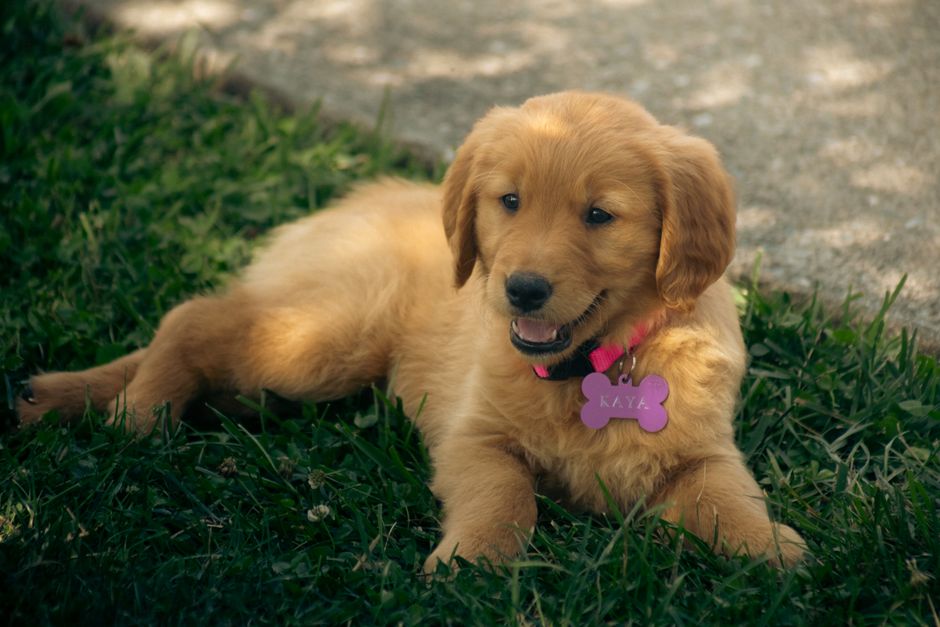
A tag only works if it stays on your pet, and a pet will only tolerate a tag if it is comfortable. This is especially true for cats, who are notorious for disliking dangling or noisy tags. The best pet id tags are designed with the animal’s comfort in mind. A tag that swings and clangs against a food bowl can be incredibly annoying and may cause a cat to repeatedly scratch at its collar. Bulky, heavy tags can cause neck irritation or even plan to remove the collar entirely, which defeats the purpose of identification.
For dogs, size and weight are relative to the breed. A Great Dane can wear a 2-inch tag comfortably, while a Chihuahua needs a tag that is less than an inch wide and extremely lightweight. Many modern tags, especially QR code tags, are designed to be slim and flat against the neck. This eliminates the dangling that often causes annoyance. A low-profile tag that sits flush on the collar is far less likely to get caught on branches or fence wire, reducing the risk of injury. For cats, silent or "noiseless" tag holders are a fantastic alternative that encases the tag in a fabric pouch to prevent jingling.
The attachment point itself is crucial. A rivet-style tag that attaches directly to the collar strap is the most secure option and prevents the tag from swinging. However, this requires a dedicated collar or a specific mounting system. The most common method remains the split ring. When choosing a split ring, look for one that is welded closed, not just bent. A welded ring cannot be pried open by a branch or a playful sibling. Ultimately, the best pet id tags are those that your pet will tolerate wearing 24/7. If the tag is uncomfortable, it will come off. Prioritize a design that is lightweight, quiet, and low-profile to ensure your pet keeps its ID on at all times.
Legal Requirements for Pet ID Tags Around the World
While the safety benefits of pet ID tags are universal, the legal requirements vary significantly by country, state, and even local municipality. Understanding these laws is essential for any responsible pet owner seeking the best pet id tags, as compliance can prevent fines and ensure your pet is legally identified. In many jurisdictions, a collar with an ID tag is a mandatory requirement when a dog is in a public place, even if the dog is on a leash.
In the United Kingdom, for example, the Control of Dogs Order 1992 mandates that any dog in a public place must wear a collar with the name and address of the owner. The phone number is not legally required but is highly recommended. In many US states and cities, similar laws exist. For instance, New York City requires dogs to wear a valid license tag at all times. Failure to comply can result in fines. Even in areas where it is not strictly enforced, having a tag is the simplest way to prove ownership and avoid a trip to the animal shelter.
For international travel or moving, the rules become more complex. When traveling with a pet to another country, microchipping is often the primary identification standard (as with the EU Pet Passport scheme), but a visible ID tag with your local contact information is still a best practice and often appreciated by customs officials. A digital QR code tag like Pethna is particularly powerful for traveling pets. The owner can update the profile to include a temporary local phone number or the contact details of the boarding facility, ensuring that finders can always reach the right person. The best pet id tags are not just about meeting legal minimums; they are about creating a robust safety system that works across borders and changing circumstances.
Frequently Asked Questions About Pet ID Tags
1. What is the most durable material for pet ID tags?
The most durable material for a pet ID tag is food-grade stainless steel. It is extremely resistant to rust, corrosion, and scratching, making it ideal for active pets and water-loving dogs. Anodized aluminum is also a good lightweight option, but it is slightly less scratch-resistant than stainless steel. Avoid brass or untreated copper if your pet swims frequently or lives in a humid climate, as they can corrode and become illegible over time. For QR code tags, ensure the printed surface is also UV-resistant and waterproof to prevent fading.
2. Can a QR code pet tag be hacked or misused?
This is a common concern, but modern QR code tags from reputable providers like Pethna are designed with security in mind. The QR code itself is just a string of characters that points to a secure, unique profile URL. The owner controls the information on that profile. There is no personal data encoded directly in the tag itself. The finder sees only the information the owner chooses to display (e.g., "Call Sarah at 555-1234"). The owner can lock their profile behind a password and update it at any time. The best pet id tags prioritize privacy and allow the owner full control over what is displayed.
3. How often should I replace my pet's ID tag?
The frequency of replacement depends on the material and wear. Traditional engraved metal tags can last for years if the engraving is deep and the metal is rust-proof. However, you should replace the tag immediately if you move, change your phone number, or if the text becomes worn and unreadable. For QR code tags, you should check the scanning surface regularly for scratches or fading. If the code becomes difficult to scan, replace the tag. It is also a good practice to replace the attachment ring at least once a year, as even high-quality rings can weaken over time with constant stress.
4. Are QR code tags better than microchips?
They are not mutually exclusive; they are complementary. A microchip is a permanent, internal form of identification that cannot be lost or tampered with. It is the gold standard for proof of ownership. However, a microchip requires a special scanner, which means the pet must be taken to a shelter or vet to be identified. A QR code tag is the best pet id tags for *instant* identification. A finder can scan the tag with their phone in seconds and contact you immediately. The most robust safety strategy uses both: a microchip for permanent proof of ownership and a QR code tag for immediate, frictionless recovery.
Why Pethna is the Ultimate Solution for the Best Pet ID Tags
After evaluating all the criteria—durability, readability, technology, comfort, and legal compliance—one solution consistently rises to the top for modern pet owners: Pethna. Pethna has engineered a QR code pet tag that specifically addresses the limitations of every other option on the market. It is the convergence point of traditional tag reliability and modern digital convenience. When we benchmark the best pet id tags, Pethna excels in every category that matters most.
First, unmatched durability. Pethna tags are built to survive the toughest environments. They are 100% waterproof, scratch-resistant, and built from high-grade materials that withstand years of wear. Unlike tags that fade, corrode, or snap, Pethna tags are designed to live on your pet's collar through every swim, roll in the mud, and rough play session. This robust construction ensures that the critical QR code remains scannable for the long haul, providing consistent protection.
Second, the power of instantaneous recovery. When a finder scans a Pethna QR code with their smartphone, they are immediately connected to the owner's dedicated emergency profile. No app download is required. This frictionless experience is critical because it removes every barrier a Good Samaritan might face. The finder can see the owner's photo, a custom message, and the best phone number to call. The owner can also manage multiple pets under a single account and update the contact information instantly if they change numbers or are traveling. This dynamic, updatable profile makes the Pethna tag infinitely more effective than a static engraved tag.
Finally, a global safety net. Pethna is not just a tag; it is a comprehensive lost pet recovery ecosystem. The platform offers a built-in lost pet alert system that notifies the community when a pet goes missing. Combined with the physical tag, this creates a multi-layered recovery strategy: the physical tag for immediate contact and the digital network for extended reach. For pet owners who demand the best, Pethna delivers the perfect blend of toughness, technology, and peace of mind. When your pet’s life is on the line, don’t settle for a simple stamp on a piece of metal. Choose the tag that is engineered for the modern world and proven to bring pets home faster. Pethna—the best pet ID tags for the pets you love most.