The Ultimate Guide to Cat Collar Tags: Safety, Style, and Peace of Mind
Discover everything you need to know about cat collar tags for safety and style. Learn how waterproof QR code tags from Pethna can help reunite you with your lost feline faster than ever.
# The Ultimate Guide to Cat Collar Tags: Safety, Style, and Peace of Mind
Your cat darts between your legs as you open the front door, and in a split second, she's gone. Every cat owner’s worst nightmare is a lost feline companion. While microchips are a vital layer of protection, they require a vet or shelter visit to be read. A high-quality cat collar tag is the most immediate, accessible way for a stranger to reunite you with your pet. In this comprehensive guide, we will explore everything you need to know about cat collar tags—from materials and durability to the revolutionary shift toward QR code technology. Whether you own an indoor lap cat or an adventurous outdoor explorer, understanding the nuances of these tiny but mighty identification tools could make the difference between a frantic search and a quick, happy reunion.
Today’s pet parents demand more than just engraved metal. We need solutions that withstand rain, mud, and vigorous scratching, while staying lightweight enough for a delicate feline neck. This is where Pethna steps in, bridging the gap between classic identification and modern digital protection. By the end of this article, you’ll know exactly what features matter most, how to train your cat to accept a collar, and why Pethna’s waterproof QR code tags are the smartest investment you can make for your cat’s safety.
Why Cat Collar Tags Are Non-Negotiable for Every Feline
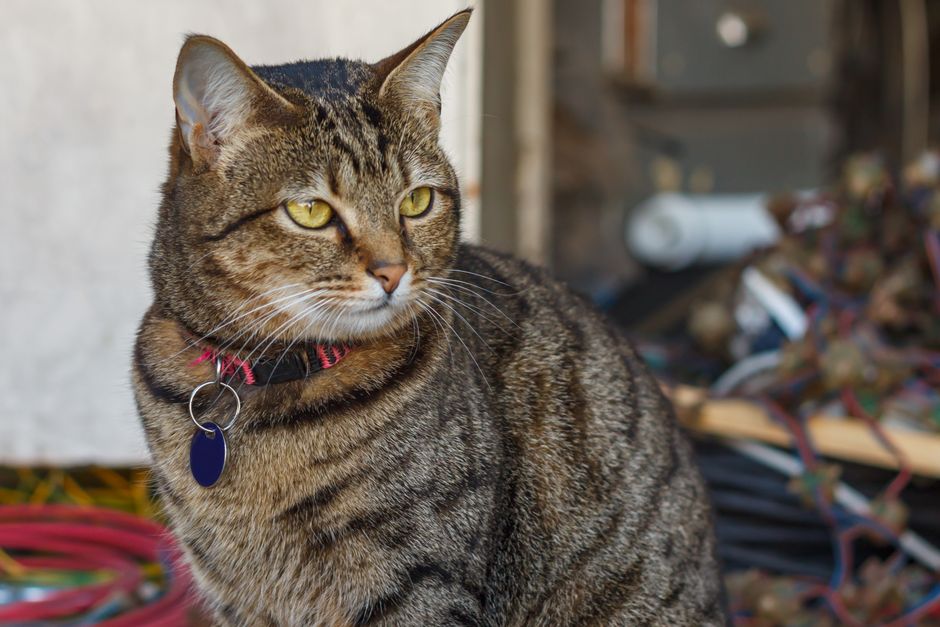
As a pet safety specialist, I cannot overstate the importance of visible identification for cats. According to the American Humane Society, only about 2% of lost cats without identification are reunited with their owners. That number jumps to over 20% for cats wearing a collar and tag. The primary reason for this disparity is simple: a cat collar tag is the first thing a Good Samaritan sees when they spot a wandering feline. Unlike a microchip—which requires a specialized scanner—a tag can be read instantly by anyone with a pair of eyes. This immediate accessibility significantly shortens the time your cat spends lost and reduces the risk of injury or death.
Furthermore, cat collar tags serve a psychological purpose. In many jurisdictions, a cat wearing a collar and tag is immediately recognized as a "pet" rather than a stray. This distinction matters because well-meaning people may otherwise assume the animal is feral and leave it alone. A clear tag signals that this cat is loved, cared for, and missed. It also acts as a deterrent for anyone who might consider "adopting" a wandering cat they find. A visible tag clearly says, "I belong to someone, please help me get home." In my years of consulting with animal shelters, I have seen countless cases where a simple tag saved a cat from weeks in a kennel or, tragically, from being euthanized.
Even indoor cats benefit from wearing a tag. Accidental escapes happen more often than we think—a repair person leaves a door ajar, a window screen pops out, or your cat darts out during a fire drill. Without a tag, an indoor cat who has never been outside faces an even greater survival challenge because they lack street smarts. They are more likely to hide, become disoriented, and fail to find food or water. A collar tag ensures that whoever finds them can immediately contact you, bypassing the need for a trip to the vet for microchip scanning. For these reasons, every cat—regardless of lifestyle—should wear a properly fitted collar with a durable, readable tag.
Breaking Down Cat Collar Tag Types: Metal, Plastic, Silicone, and Digital
When you begin shopping for a cat collar tag, you will encounter a dizzying array of materials and designs. Traditional metal tags—often made of stainless steel, brass, or aluminum—have been the gold standard for decades. They are durable, resistant to chewing, and can be stamped with clear, legible letters. However, metal tags have significant drawbacks for cats. Their weight can be a problem for a small feline neck, causing discomfort or even neck strain over time. Additionally, metal tags are notorious for jingling and clattering against food bowls and furniture, which can annoy both you and your cat. In high-humidity environments, some metals can tarnish or rust, rendering the engraving unreadable after a few months.
Silicone and plastic tags entered the market as lighter, quieter alternatives. Silicone tags are flexible, hypoallergenic, and almost silent when they rub against surfaces. They are also incredibly lightweight, making them ideal for kittens and smaller breeds. The downside is that silicone can degrade in extreme heat or direct sunlight, and some cats can chew through soft silicone over time. Plastic tags are similarly lightweight but can crack or break if your cat squeezes through tight spaces. Neither material is truly "forever," and both can lose their engraved information if scratched repeatedly against concrete or brick during outdoor adventures.
The most exciting evolution in pet identification is the QR code tag—a digital solution that merges the physical tag with an online database. Pethna specializes in this category. A QR code tag looks like a sleek, minimalist disc, but it holds a scannable code that links to your cat’s unique profile. When a finder scans the code with their smartphone camera, they are instantly directed to a secure page containing your contact details, medical notes, and even a "lost pet" alert. No app download is required. This digital approach eliminates the problem of worn-out engravings—your contact information is stored in the cloud, not etched into fading metal. You can update your phone number, address, or vet info in real-time without ordering a new tag. For modern cat owners, a QR code tag represents the best balance of durability, ease of use, and adaptability.
The Critical Role of Durability: Waterproof, Weatherproof, and Scratch-Proof Tags
Outdoor cats face the harshest conditions, but even indoor cats encounter water from spilled bowls, toilet plunges, or the occasional kitchen sink adventure. This is why waterproof cat collar tags are not optional—they are essential. Many low-cost tags claim to be waterproof, but in reality, only a sealed QR code tag can truly resist prolonged exposure to moisture. Pethna’s tags, for example, are encased in a tough, resin-like material that protects the internal QR code from water, mud, and even cat saliva. A traditional metal tag with engraved letters tends to accumulate dirt in the letter grooves, making it harder to read over time. Water also accelerates rust on steel or brass tags, especially if your cat wears the collar 24/7.
Weatherproofing extends beyond rain and snow. Direct sunlight can fade the color and readability of plastic tags, while extreme cold can make silicone brittle. High-quality cat collar tags should be tested against UV radiation, freeze-thaw cycles, and impact from rough play. For cats who frequently crawl under decks, through bushes, or into crawl spaces, scratch resistance becomes a major factor. A tag that gets dragged across gravel or tree bark must not lose its scannability. QR code tags have an advantage here because the code is printed on a protected surface, often laser-etched to withstand heavy abrasion. Even if the tag surface gets scratched, the pattern remains readable by a smartphone camera, as long as the code is not completely obliterated.
Durability also involves the attachment mechanism. A tag is only useful as long as it stays attached. Breakaway collars—which are mandatory for cats to prevent strangulation—have a safety buckle that pops open under moderate pressure. The tag itself must be securely riveted or attached with a sturdy split ring that won’t snap during an escape attempt. Pethna designs its tags with heavy-duty stainless steel rings that will not rust or break under normal cat activity. When evaluating any cat collar tag, always check the ring gauge and the method of attachment. A tag that falls off when your cat scampers under a fence is worse than no tag at all because it creates a false sense of security.
15-day free trial — No commitment
All premium features unlocked. No credit card required. Protect your pet in 2 minutes.
Try free for 15 daysHow QR Code Technology Transforms Lost Pet Recovery
Let’s delve deeper into the mechanics of a QR code tag and why it is a game-changer for cat collar tags. Imagine your cat slips out an open window while you are at work. A neighbor spots her two hours later, but it’s raining heavily. With a standard engraved tag, the neighbor would have to lean in close, wipe away rain droplets, and try to read tiny letters that may be scratched or tarnished. In the rain, this is nearly impossible. With a Pethna QR code tag, the neighbor simply points their smartphone camera at the tag. Within seconds, they see your contact number, a "This cat is lost" message, and even a photo of your cat. You receive an instant notification with the finder’s GPS coordinates (if they consent). This speed can reduce the time to reunion from days to minutes.
Another powerful feature of QR code tags is the ability to update information in real-time. Let’s say you move to a new house or change your phone number. With a traditional engraved tag, you have to order a completely new piece. During the waiting period, your cat is wearing outdated information—which means anyone who finds your cat will try to call a disconnected number or go to your old address. This gap is a critical window of vulnerability. With Pethna, you log into your online dashboard and update your contact details instantly. The next time the tag is scanned, the finder sees your current information. You can also add secondary contacts—a spouse, a friend, or your veterinarian—so if you are unreachable, someone else can be alerted.
QR code tags also offer a passive tracking benefit that physical tags cannot. If someone finds your cat and scans the tag, the event is recorded in your Pethna account. You can see the time, date, and approximate location of the scan. This feature is invaluable if your cat has a tendency to wander. You might discover that your "indoor-only" cat has been sneaking out through a hidden gap behind the dryer, or that a neighbor has been feeding your cat without your knowledge. This data helps you preemptively address escape routes and monitor your cat’s outdoor habits. Additionally, the QR code can store medical information—such as allergies, medications, or a note that the cat is "shy but affectionate"—helping the finder handle your pet appropriately until you arrive.
Choosing the Right Size, Weight, and Attachment for Your Cat’s Comfort
Cats are not small dogs. Their neck anatomy is more delicate, and they are far more sensitive to weight and bulk. When selecting cat collar tags, weight is arguably the most critical comfort factor. A tag that weighs more than a few grams can cause your cat to tilt her head, lose balance, or even develop skin irritation under the collar. For adult cats, the tag should ideally weigh less than 5 grams. For kittens, look for tags under 3 grams. Pethna’s QR code tags are engineered from lightweight, medical-grade materials that minimize bulk while maximizing durability. Compare this to a classic brass tag that might weigh 10–15 grams—unacceptable for a feline.
Size matters equally. A tag that is too large may drag on the ground when your cat drinks water, soaking the tag and causing it to feel cold and heavy against her fur. A tag that is too small might be difficult for a finder to see or scan. The ideal diameter for a QR code tag is approximately 1 inch (25 mm) to 1.25 inches (32 mm). This size balances readability with minimal interference. The thickness should be as thin as possible—around 2-3 mm—so that the tag lies flat against the collar and does not stick out at awkward angles that could snag on branches or furniture.
Attachment method is another comfort consideration. The tag should be secured with a split ring that matches the collar’s D-ring size. Avoid using a bolt snap or lobster clasp, as these can rotate, causing the tag to end up behind your cat’s neck where it is invisible. The ring itself should be non-ferrous metal (like stainless steel) to prevent rust. Some cat owners prefer a tag that slides directly onto the collar strap (a "slide-on" tag) to eliminate dangling noise. While this can be quieter, it makes the tag harder to read because it lies flat against the fur. Pethna offers a hybrid approach: a slim disc that dangles just enough to be visible without excessive movement, paired with a low-profile split ring that reduces jingling. Always test the tag on your cat for at least one hour of supervised wear before committing to full-time use.
Legal Requirements and Best Practices for Cat Identification Tags
Pet identification laws vary widely by country, state, and even municipality. In many parts of the United Kingdom, for example, cats are not legally required to wear a collar or tag by national law, but local ordinances may demand visible ID if the cat is allowed outdoors. In Australia, cats must be microchipped and registered, but collars with tags are strongly encouraged rather than mandatory. In the United States, most states do not require cat collar tags by law, but certain cities (like Chicago or San Francisco) have leash laws that indirectly recommend ID on outdoor cats. Regardless of legal obligations, best practice is clear: every cat should wear a tag containing at least the owner’s phone number. Adding the cat’s name is optional—some experts argue it can make the cat easier to call, while others worry it makes theft easier. Err on the side of a phone number only, or use a "I Need Help" style tag.
A cat collar tag should also include medical alerts if your cat has a condition requiring urgent attention. For example, "Diabetic" or "FIV Positive" can guide a finder or temporary caretaker. However, do not overcrowd a physical tag with text; instead, rely on a QR code tag to store this information digitally. Pethna’s profile system allows you to list medical conditions, feeding instructions, and even a note about your cat’s behavioral quirks (e.g., "Scared of dogs, please approach slowly"). This level of detail is impossible to fit on a traditional tag and yet can be crucial for a safe rescue.
Best practices also involve regular checks. At least once a month, inspect the tag for signs of wear—cracks, fading, or loose ring attachments. Clean the tag with a mild soap and water if it becomes grimy from outdoor play. Test the QR code by scanning it with your own phone to ensure the link is still active and the information is up to date. Pethna sends automated reminders to subscribers to review their pet’s profile, but you should also set a calendar reminder. Finally, always pair your collar tag with a microchip. The tag is the "first responder" identifier; the microchip is your backup if the collar breaks off. Never rely on one alone.
Common Mistakes to Avoid When Buying Cat Collar Tags
Even experienced cat owners fall into common traps when purchasing cat collar tags. The first mistake is buying a tag that is too heavy. As mentioned earlier, a heavy tag causes stress on the neck and can lead to your cat vigorously scratching the area, potentially causing hair loss or skin sores. Always weigh the tag before purchasing. If the package does not list the weight, the tag is likely too heavy. The second mistake is ignoring the possibility of "tag noise." Metal tags hitting metal bowls or ceramic floors can create a chronic rattle that drives both cat and owner crazy. Some cats will go to great lengths to remove the collar just to stop the noise. A lightweight silicone or a flat QR code tag like Pethna’s minimizes this issue, but you can also use a tag silencer (a rubber band-like cover) if noise persists.
Another critical error is choosing a tag that is not truly waterproof. Many tags marketed as "water resistant" will fog up or lose their print after repeated submersion. Pethna’s tags are IP68 rated, meaning they can be submerged in water for extended periods without damage. Do not assume all QR tags offer this level of protection. Read the specifications carefully, especially if your cat enjoys playing in puddles or if you live in a rainy climate. A related mistake is thinking that a collar alone (without a tag) is sufficient identification. A collar with no tag offers no direct way for someone to contact you. It merely tells the finder that the cat belongs to someone, but offers no path to reunion.
Finally, many people forget to update contact details when they move. A tag with an old phone number is worse than useless—it can waste a Good Samaritan’s time and effort. Pethna eliminates this problem with its digital update feature, but you must actually log in and make the change. Set a reminder to check your pet’s profile every time you change addresses or phone numbers. You can also add a secondary emergency contact—someone who will be reachable even if you are abroad or asleep. This simple step dramatically increases the odds of a quick recovery.
How to Train Your Cat to Wear a Collar and Tag
Cats are notoriously territorial about their bodies. Wearing a cat collar tag can feel intrusive at first, and some cats will put up a fight. The key to success is patience and positive reinforcement. Start by letting your cat sniff the collar and tag separately for a few days. Place them near the cat’s food bowl or favorite sleeping spot so they become familiar scents. Then, for a few minutes at a time, hold the collar loosely around your cat’s neck without fastening it. Give treats and praise during these sessions. Do not attempt to fasten it until your cat is completely comfortable with the sensation of the collar being held in place.
When you first buckle the collar (with the tag attached), do so immediately before a favorite activity—like meal time or a play session. The positive association will help your cat link the collar and tag with good things. Keep the first few wearing sessions very short: five to ten minutes. Gradually increase the duration over several days. Watch for signs of stress: flattened ears, hiding, excessive grooming, or frantic attempts to remove the collar. If you see these, remove the collar and slow down the training process. Some cats take weeks to accept a collar; others accept it within hours. Never force it.
Use a breakaway collar specifically designed for cats. These collars have a safety release that snaps open if your cat is caught on a branch or fence. A breakaway collar is non-negotiable for cats who go outdoors unsupervised. Even indoor cats should use one in case they catch a collar on furniture or drawers. Never use a dog collar on a cat—they are too heavy and lack the safety release. Once your cat is wearing the collar comfortably, reward her frequently for keeping it on. Over time, the collar becomes "invisible" to her, and the tag becomes just another part of her daily life. If your cat persistently hates the collar, consider a lighter tag or a collar made of soft cotton or neoprene. Pethna’s tags pair well with any standard breakaway collar, so you can experiment with different collar brands until you find one your cat tolerates.
Frequently Asked Questions About Cat Collar Tags
Q1: Can my cat wear a collar and tag if she is microchipped?
Absolutely. A microchip is a permanent identification method, but it is passive—it only works if someone takes the cat to a vet or shelter with a scanner. A cat collar tag provides immediate visible information that anyone can use. Think of the tag as the first line of defense and the microchip as the backup. Even microchipped cats should always wear a collar and tag. In fact, many shelters report that collared cats are reunited with owners days or even weeks faster than microchipped cats without collars.
Q2: Do QR code tags require a smartphone or app?
Most QR code tags, including those from Pethna, are designed to work with any standard smartphone camera. The finder does not need to download a special app. They simply open the camera, point it at the tag, and click the link that appears. This universal compatibility is a major advantage over NFC tags, which require an iPhone 7 or newer with iOS 11+ or specific Android settings. Our tags are universally scannable across all devices, making them accessible to everyone, including older adults who may not be tech-savvy.
Q3: What happens if the QR code gets scratched or dirty?
QR codes are designed with error correction technology. Even if up to 30% of the code is obscured by scratches or dirt, most smartphone cameras can still read it. Pethna’s tags are laser-etched, which is much more resistant to abrasion than printed codes. If the tag becomes extremely dirty, a quick wipe with a damp cloth usually resolves the issue. For deep scratches, you can request a replacement tag at a reduced cost through your Pethna subscription. However, in real-world use, the vast majority of tag damage does not affect scannability.
Q4: Should I put my cat’s name on the tag?
This is a debated topic among safety experts. Putting your cat’s name can make it easier for a stranger to call the cat and coax her into a carrier. However, it also provides information to a potential thief who could use the name to pretend the cat is theirs. A safer approach is to omit the name and rely on a microchip for official identification, while the tag shows your phone number and/or a QR code. If your cat is very friendly and well-known in your neighborhood, adding the name might be fine. For cats with a high theft risk (e.g., purebreds), leave the name off.
Why Pethna Is the Ultimate Solution for Modern Cat Collar Tags
After exploring the landscape of materials, technologies, and best practices, it is clear that traditional identification methods are no longer sufficient for the modern cat owner. Pethna bridges the gap between timeless pet safety and cutting-edge digital convenience. Our cat collar tags are purpose-built to address every pain point we’ve discussed: weight, durability, waterproofing, and real-time data management. With Pethna, you are not just buying a piece of engraved metal; you are buying a comprehensive recovery ecosystem.
What sets Pethna apart is our commitment to cat-specific design. We understand that a cat’s neck is not a dog’s neck. Our tags weigh less than 4 grams, are barely 2.5 mm thick, and come with a whisper-quiet split ring that minimizes noise. The tag is made from a proprietary composite that is both flexible enough to avoid scratching your cat’s chin and rigid enough to survive being chewed, clawed, or dragged through mud. Every tag is tested to IP68 waterproof standards, meaning it can be submerged in up to 1.5 meters of water for 30 minutes—more than sufficient for a rainy day or a dripping water bowl.
Furthermore, Pethna’s digital platform offers features no physical tag can replicate. You can update your contact information instantly, store medical records, upload photos of your cat, and receive instant notifications when someone scans your tag. Our "Lost Pet Alert" system automatically emails and texts nearby Pethna users when your cat is reported missing, creating a community-driven search network. The subscription model is affordable—pennies a day—and covers unlimited profile updates, replacement tags at cost, and priority customer support. When you choose Pethna, you are giving your cat the best chance of a speedy, stress-free reunion. Visit [Pethna.com](https://www.pethna.com) today to order your waterproof QR code cat collar tag and sleep soundly knowing your feline friend is always one scan away from home.