The Ultimate Guide to Choosing the Best Cat Tag for Collar: Why Waterproof QR Codes Save Lives
Discover why a waterproof QR code cat tag for collar is the most effective way to keep your feline safe. Learn how Pethna’s durable tags work, compare traditional vs smart tags, and get expert tips on collar selection.
Introduction
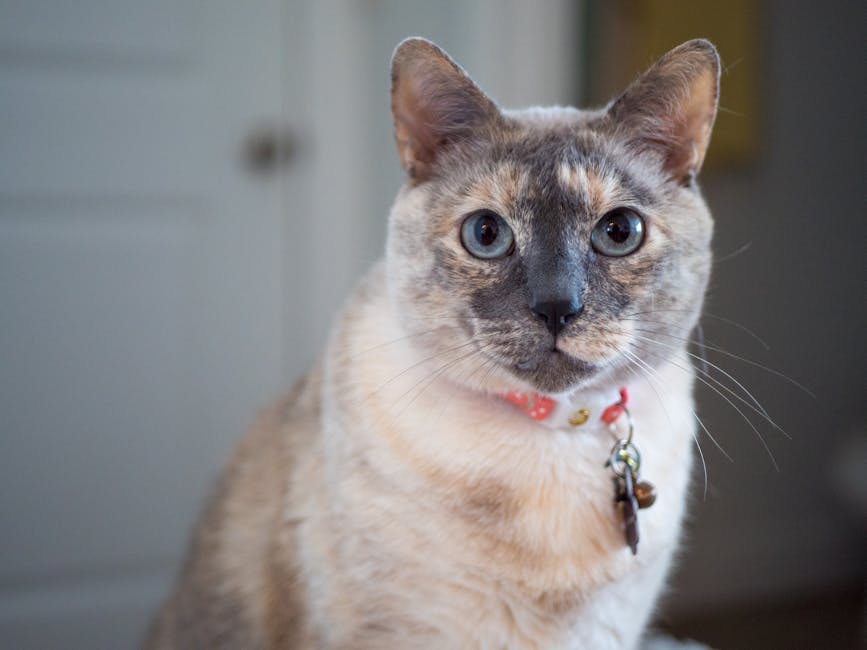
Every cat owner knows the sinking feeling of a missing feline. Whether your cat is an indoor adventurer who slips out the door or an outdoor explorer who roams the neighborhood, a cat tag for collar is your first line of defense. Yet most traditional tags fail: they fade, fall off, or simply don’t provide enough information to reunite you with your pet quickly. In today’s digital world, the solution is smarter, more durable, and infinitely more reliable—a waterproof QR code cat tag. Pethna has revolutionized pet ID by combining rugged waterproof design with a scan-and-recover system that updates in real time. In this comprehensive guide, we’ll explore everything you need to know about choosing the right cat tag for collar, why waterproof matters, and how Pethna’s technology sets the gold standard for lost pet recovery. By the end, you’ll understand why a simple metal engraving is no longer enough for a cat that deserves every chance to come home.
Why Your Cat Tag for Collar Matters More Than You Think
Statistics show that nearly one in three cats will go missing at some point in their lives. While microchips are vital, they require a veterinary or shelter scanner—something not every finder has access to. A visible cat tag for collar provides immediate, on-spot identification. But not all tags are created equal. A worn-out, illegible tag is as useless as no tag at all. The stakes are high: every minute counts when a cat is lost and stressed. A high-quality tag that stays readable, attachable, and scannable dramatically increases the odds of a happy reunion.
Beyond basic identification, a cat tag for collar serves as a psychological safety net for owners. Knowing that anyone who finds your cat can instantly access your contact details or a secure digital profile gives peace of mind. However, cats are notorious for losing tags—breakaway collars designed to prevent strangulation often cause tags to fall off. That’s why the combination of a durable tag with a secure yet safe attachment is critical. The right cat tag for collar must balance visibility, read durability, and safety, especially for cats that roam unsupervised.
Moreover, the modern cat tag must withstand the elements. Rain, mud, water bowls, and even the humidity of a cat’s own breath can corrode metal or blur printed information. A waterproof cat tag for collar, like those offered by Pethna, ensures that the QR code remains scannable no matter the conditions. This is especially important for cats that love water, live in rainy climates, or frequently get into dirt and grass. Ultimately, the tag’s primary job is to communicate “I am lost, please help me” effectively. That communication fails if the tag degrades. Investing in a premium, waterproof QR code tag is not an expense—it’s an essential part of responsible pet ownership.
Top Features of a High-Quality Cat Tag for Collar
When shopping for a cat tag for collar, you’ll encounter dozens of options. But only a few features separate a tag that will last from one that will disappoint. First and foremost is material. Cheap plastic tags crack; metal tags corrode. Pethna uses a proprietary waterproof polymer that is both lightweight and virtually indestructible. It resists scratching, peeling, and UV fading, ensuring the QR code remains crisp for years. Second is readability. The QR code should be high-contrast and large enough to scan easily, even with a smartphone in dim light. Third is size and weight. Cats are sensitive to bulky tags that interfere with movement. A good cat tag for collar should be slim, light, and barely noticeable to the cat yet easily seen by a rescuer.
Another critical feature is attachment security. The tag must stay on the collar even during vigorous play or climbing. Many tags use split rings that can bend or break. Pethna’s tags come with a heavy-duty stainless steel ring that withstands daily wear. Still, safety remains paramount: if your cat wears a breakaway collar, the tag must be lightweight enough that it doesn’t cause the collar to pop open accidentally. The ideal tag is also double-sided or printed on both sides when possible, but for QR codes, a single valid scan side suffices. The tag should also be engraved or printed with a simple backup text like “CALL OWNER” and a phone number, in case someone cannot scan the code. Pethna includes a limited backup text on the back of every tag for added redundancy.
Finally, consider ease of setup and updating. A static engraving cannot be changed if you move or change your number. A digital QR code tag allows you to update the linked profile instantly. Look for a service that offers lifetime updates, secure data storage, and a proactive alert system. Pethna provides all of that—plus a dedicated lost pet hotline that finders can call if they’re uncomfortable scanning. In summary, the best cat tag for collar combines physical durability, scannable design, secure attachment, and a smart digital backbone. Anything less is a gamble with your cat’s safety.
15-day free trial — No commitment
All premium features unlocked. No credit card required. Protect your pet in 2 minutes.
Try free for 15 daysTraditional Metal Tags vs QR Code Cat Tags: Which Is Better?
For decades, the standard cat tag for collar was a stamped metal disc. While nostalgic, these tags have serious flaws. The engraving can wear down, become filled with dirt, or be too small to read. Metal tags also clink loudly against bowls and floors, annoying both cat and owner. Most critically, they offer only static information—once you move or change your number, the tag becomes outdated. In contrast, QR code cat tags represent a paradigm shift. A single scannable code links to a dynamic online profile where you can store multiple phone numbers, medical notes, and even a photo. If you move, you simply update the profile—no new tag needed.
But are QR tags really better for cats? Yes, when designed properly. The key is that the QR code must be large enough and high-contrast to scan reliably. Some cheap QR tags have tiny codes that lose shape after a few weeks. Pethna’s tags use a laser-etched QR code on a waterproof surface, ensuring pixel-perfect contrast even after months of wear. Furthermore, traditional metal tags lack the “digital outreach” feature: with a QR code, the finder not only gets contact info but also can trigger an instant geolocation alert sent to the owner. Pethna’s platform also notifies a network of nearby users, multiplying the search effort.
Another consideration is longevity. A metal tag may last a lifetime if never scratched, but in reality, the engraving fades. QR tags that are printed with UV-cured ink can smudge; laser-etched QR codes (like Pethna’s) are permanent. Additionally, QR tags often have a small backup text engraved next to the code, so even a non-smartphone user can call the number. This hybrid approach offers the best of both worlds. In our professional opinion, a waterproof QR code cat tag for collar is superior for modern pet owners. It’s more versatile, more updateable, and more likely to lead to a quick reunion. The small upfront investment pays dividends the moment your cat wanders off.
How a Waterproof QR Code Cat Tag Works
If you’re new to QR code pet tags, you might wonder how they actually work. It’s beautifully simple. Your cat wears a cat tag for collar that has a unique QR code printed or etched on it. When someone finds your cat, they simply point their smartphone camera at the code. Without downloading any app, they are directed to a secure webpage—Pethna’s platform—that displays your contact information and any instructions you’ve set (e.g., “Has medical condition,” “Please keep indoors and call immediately”). The finder can call you with a single tap, text you, or even send a GPS location so you can track where the cat was spotted.
But the magic happens behind the scenes. Pethna’s system is not just a static link; it’s a lost pet management hub. If you mark your cat as lost in the app, any scan of the tag automatically triggers an alert to you and to a network of volunteers in the area. The finder sees a special lost message telling them the cat is actively missing and needs urgent help. This feature alone can cut recovery time from days to hours. Additionally, Pethna’s waterproof QR code tags are designed to be scannable in all conditions—rain, mud, snow, or even if the tag is slightly wet. The material is non-reflective with a matte finish, preventing glare that could inhibit scanning.
What about privacy? You control exactly what information is visible. You can choose to show only your phone number without revealing your address. The platform is encrypted and compliant with data protection standards. And because it’s digital, you can add multiple caregivers—if your cat is being watched by a house sitter, you can temporarily change the contact number. This flexibility is impossible with traditional tags. In essence, a waterproof QR code cat tag for collar is a digital lifeline that stays connected 24/7, rain or shine. It works because it removes barriers: no need for a special scanner, no need for the finder to be tech-savvy—just scan and act.
Why Waterproof Matters for Indoor and Outdoor Cats
The term “waterproof” is thrown around loosely in the pet tag market. Many tags claim to be water-resistant but fail after a few splashes. For a cat tag for collar, true waterproofing means the tag can be fully submerged in water, exposed to constant rain, or cleaned with soap and water without any degradation. Why does this matter? Cats are curious and unpredictable. An indoor cat might tip over a water bowl, jump into a sink, or go outside during a storm. An outdoor cat faces ponds, puddles, and constant humidity. If the tag’s QR code becomes blurred or the material swells, it becomes useless exactly when needed.
Waterproofing also protects against the cat’s own grooming. Cats lick their collars frequently, and saliva can accelerate corrosion. Non-waterproof tags can fade or rust over time. Pethna’s tags are made from a marine-grade polycarbonate that is completely impervious to water. We test them by submerging them for days and then scanning—no issues. The laser etching is permanent, not printed on a polymer that can peel. Additionally, the tag’s attachment ring is made of stainless steel to prevent rust from spreading onto the tag itself.
Another often overlooked aspect: temperature extremes. Waterproof materials also tend to be UV-stable and temperature-resistant. A tag that sits under the sun for hours shouldn’t warp or yellow. Pethna’s polymer can handle from -40°F to 180°F. For cats in hot climates or snowy winters, this durability ensures the tag remains intact. Lastly, if your cat is microchipped, a waterproof QR tag complements the chip. The chip is internal and permanent, but it requires a scanner. The QR tag is external and immediate. Together, they form a powerful safety net. Investing in a waterproof cat tag for collar is not just about weather; it’s about ensuring the technology works 365 days a year, no matter what your cat encounters.
Choosing the Right Collar and Tag Combination
A cat tag for collar is only as effective as the collar it’s attached to. Selecting the right collar is crucial for both safety and tag retention. For cats, breakaway collars are strongly recommended by veterinarians and feline behaviorists. These collars have a buckle that releases under pressure, preventing strangulation if the collar snags on a branch or fence. However, breakaway collars can pop open if the attached tag is too heavy or the collar is worn too loose. Therefore, you must choose a lightweight tag—ideally under 5 grams—and a collar with a breakaway mechanism that is not overly sensitive. Pethna’s tags weigh only 3.5 grams, making them one of the lightest QR tags on the market, and they come with a slim split ring that doesn’t add bulk.
Another consideration is collar material. Nylon collars are common but can fray over time. Leather collars are more durable but can be heavy. For active cats, a soft webbing collar with reflective stitching adds visibility at night. Ensure the collar width is appropriate: too narrow and the tag’s split ring can deform the collar; too wide and the tag may dangle too much. A 3/8-inch to 1/2-inch collar is usually ideal for most cats. Pethna’s tag ring fits standard collars up to 3/4 inch wide.
Also, think about attachment location. Some owners attach tags to a separate “tag silencer” or slide-on pouch, but these can muffle the QR code. The best practice is to attach the tag directly to the D-ring of the collar using the provided split ring. Ensure the ring is fully closed to prevent it from opening. Pethna’s ring is designed not to bend when opened, using a closed-loop spring mechanism. Finally, routine checks are essential. Even the best collar can loosen over time. Check your cat’s collar weekly: ensure it’s snug but not tight (you should fit two fingers between collar and neck), and that the tag is still securely attached and clean. With the right combination, your cat will be safe, comfortable, and ready to be identified instantly.
Setting Up Your Digital Lost Pet Profile for Maximum Recovery
Once you have your cat tag for collar, the real power lies in the digital profile. Setting it up correctly can mean the difference between a quick reunion and a prolonged search. Start by logging into your Pethna account and entering all critical information: your primary phone number, an alternate number (spouse, neighbor, or friend), and your email. Add a clear, recent photo of your cat (head and body) so finders can confirm it’s the same animal. Include a brief description: breed, color, distinctive markings, and any medical conditions (e.g., diabetes, anxiety) that a rescuer should notice.
Next, consider activation triggers. If you mark your cat as lost in the Pethna app, any scan of the tag shows a prominent “LOST” alert and your contact details. But you can also enable the “Always Share” mode, which shows your contact info even if the cat isn’t lost. Many owners choose this for daily peace of mind. However, we recommend leaving the “Lost Mode” switch off unless your cat is actually missing—this avoids unnecessary alarms. Additionally, use the geolocation capture option: when a finder scans and taps “Notify Owner,” their GPS coordinates are sent to you, along with a timestamp. This is incredibly useful for pinpointing where your cat was last seen.
Don’t forget to add a vet or backup contact. If you’re unreachable, the finder can reach out to your listed vet. This adds another layer of safety. Also, write a friendly call-to-action message in your public profile: “Thank you for helping my cat! Please keep her safe until I arrive.” This encourages the finder to stay with the cat rather than leave it alone. Finally, test your setup: ask a friend to scan the tag and confirm the information appears correctly. Pethna also offers a Scan History feature where you can see how many times your tag was scanned, even if no one contacted you. If you see a scan in an unfamiliar area, you can investigate. With a well-prepared digital profile, your cat tag for collar becomes an active search tool, not just a passive label.
Frequently Asked Questions About Cat Tags for Collars
1. Can I use a QR cat tag with a breakaway collar?
Yes, absolutely. Pethna’s tags are lightweight (3.5g) so they won’t cause a properly adjusted breakaway collar to release prematurely. Ensure the collar is correctly fitted and the breakaway mechanism is not overly sensitive. We recommend testing by gently tugging the collar to ensure it stays closed under normal tension.
2. Is a QR code cat tag safe for my cat?
Yes. QR tags are non-toxic, have no sharp edges, and do not emit any radiation or signals. They are passive—they only reflect light to a camera. The tag is also smooth and won’t snag on furniture. As long as the collar is breakaway and the tag is lightweight, it is completely safe. Pethna’s material is rigorously tested for pet safety.
3. What if the finder doesn’t have a smartphone?
Pethna’s tags include a small backup text on the back with a phone number and the word “CALL.” Even without a smartphone, a passerby can read the phone number. Additionally, the finder can call Pethna’s 24/7 support hotline printed on the tag, and an agent will help connect them to you. No one is left without a way to contact you.
4. How do I update my information if I move or change my number?
Simply log into your Pethna account and edit your profile. The change takes effect instantly for all future scans. No need to order a new tag. This is one of the biggest advantages over engraved metal tags, which require a complete replacement.
5. Will the QR code wear off over time?
Pethna uses laser etching, not printing or stickers. The QR code is permanently engraved into the material, so it cannot peel, fade, or scratch off. We guarantee the code remains scannable for the life of the tag.
Why Pethna Is the Ultimate Solution for Cat Tags for Collars
After exploring all the options, one thing is clear: not all cat tags for collars are created equal. Pethna stands out because we engineered every detail from the ground up, starting with the most common failure points in pet tags. Our tags are 100% waterproof, not just water-resistant. We use a military-grade polycarbonate core with a laser-etched QR code that is permanent—no stickers, no printed decals that can smudge. The result is a tag that survives rain, puddles, dishwashers (yes, we tested), and years of daily wear without losing readability.
But durability is only half the story. Pethna’s platform is built around speed and simplicity. When someone scans your cat tag, they don’t need an app—just a camera. The landing page is fast, mobile-optimized, and shows your contact info instantly. Our Lost Mode triggers automatic alerts to you and a community of nearby pet lovers. We also provide a free lost pet hotline staffed 24/7, so finders who are uncomfortable with technology can speak to a real person. This hybrid approach ensures that even the most tech-averse can help reunite your cat.
Moreover, Pethna is designed with pet safety as a core principle. Our tags weigh less than a nickel, have rounded edges, and are tested for breakaway compatibility. We also offer a lifetime guarantee on the tag itself—if it ever fails to scan, we replace it free. Our subscription (optional, but recommended) unlocks advanced features like neighborhood alerts, automatic lost detection, and priority support. But even without a subscription, the basic tag and digital profile are fully functional. No hidden fees, no data selling.
Finally, our customers consistently tell us that Pethna gave them genuine peace of mind. One customer shared that her indoor-only cat bolted out during a home repair. A passerby scanned the tag, called within minutes, and the cat was home before dinner. Another customer’s outdoor cat went missing for three days—a scan by a neighbor led to a reunion after the cat had wandered two miles. These stories are not outliers; they’re the norm when you pair a high-quality cat tag for collar with a smart digital platform. With Pethna, your cat is never truly lost—they’re just waiting to be scanned.
Ready to give your cat the best chance to come home? Visit [Pethna.com](https://www.pethna.com) and order your waterproof QR code cat tag today. Because a tag that works in rain, shine, or adventure is the tag your cat deserves.