The Ultimate Guide to Cat Tags for Collar: Safety, Tech, and Peace of Mind
Discover everything you need to know about choosing the best cat tags for collar. From material durability to QR code technology, this guide helps you keep your feline friend safe and identifiable.
Why Cat Tags for Collar Matter More Than You Think
Every cat owner knows the sinking feeling of a missing feline. Whether your cat is an indoor adventurer who slips out an open door or a seasoned outdoor explorer, the risk of getting lost is real. According to the American Humane Association, only about 2% of lost cats are reunited with their owners if they don't have identification. That statistic is staggering, but it doesn't have to be your reality. The simplest, most effective line of defense is a reliable set of cat tags for collar. These small pieces of metal, plastic, or silicone carry the power to bring your cat home, but only if they are chosen and used correctly.
Many pet owners underestimate the importance of cat tags for collar because they assume microchipping is enough. While microchips are a fantastic backup, they are passive technology. A microchip only works if a Good Samaritan takes the time to bring your cat to a vet or shelter with a scanner. In contrast, a visible tag on a collar provides instant, actionable information. Anyone who finds your cat can read the tag immediately, call the number, or scan a QR code to access your contact details. This immediacy can mean the difference between a few hours of worry and a permanent loss.
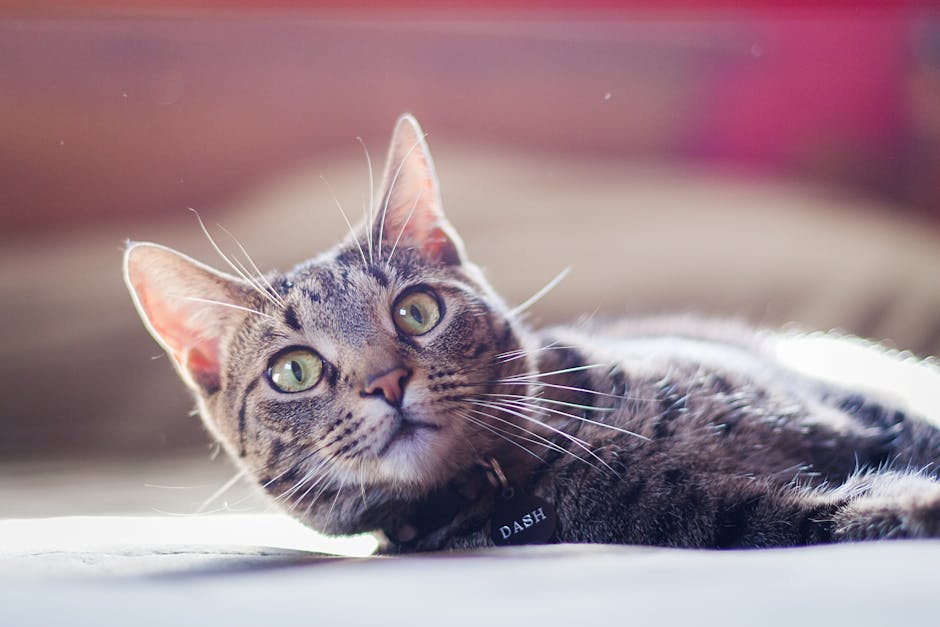
The modern landscape of cat tags for collar has evolved dramatically. Gone are the days when you only had the option of a stamped metal disc that jangled with every step. Today, you can choose from engraved stainless steel, colorful silicone, and even high-tech QR code tags that link to a digital profile. This evolution is driven by a simple truth: the easier it is for a finder to contact you, the faster your cat comes home. The best cat tags for collar are those that combine durability, readability, and technology to create a seamless reunification process.
But not all tags are created equal. A poorly chosen tag can break, fade, or become illegible over time. Worse, a tag that is too heavy or poorly attached can cause discomfort or even injury to your cat. This guide will walk you through everything you need to know about selecting, using, and maintaining the perfect cat tags for collar. By the end, you will understand why investing in a high-quality, tech-enabled tag like those from Pethna is one of the most important decisions you can make for your cat's safety.
Types of Cat Tags for Collar: Which One Is Right for Your Cat?
When you start shopping for cat tags for collar, you will quickly realize there are dozens of options. The most traditional type is the engraved metal tag. These are typically made from stainless steel, brass, or aluminum. They are durable, resistant to rust, and can be stamped or laser-engraved with your contact information. The main downside is that they can be noisy, clanking against the collar buckle or other tags. For cats that are sensitive to sound, this constant jingling can be stressful. Additionally, metal tags can be heavy, especially for smaller cats or kittens.
Another popular option is the silicone or rubber tag. These are lightweight, flexible, and virtually silent. They come in a wide range of bright colors, making them highly visible. Silicone cat tags for collar are also waterproof and resistant to fading, which is a significant advantage for outdoor cats. However, they are not as durable as metal. Over time, silicone can become brittle, crack, or stretch out, causing the tag to fall off. They also tend to collect dirt and fur, which can make the printed information harder to read.
Plastic or acrylic tags offer a middle ground. They are lighter than metal but more rigid than silicone. They can be printed with high-contrast text and even photos, which can be helpful for identification. The downside is that plastic can scratch easily, and the printing may wear off after a few months of exposure to the elements. For indoor cats, plastic tags can be a good, affordable option. For outdoor adventurers, they may not hold up well.
The newest and most innovative category is the QR code tag. These are often made from durable materials like stainless steel or anodized aluminum, but what sets them apart is the technology. Instead of (or in addition to) engraved text, the tag features a unique QR code. When scanned with a smartphone, the code directs the finder to a secure online profile that contains your contact information, medical notes, and even a photo of your cat. This type of cat tags for collar is rapidly gaining popularity because it offers dynamic information. You can update your phone number or address instantly without needing to buy a new tag. Pethna specializes in this exact technology, combining a rugged, waterproof tag with a powerful digital profile.
What to Look for in the Best Cat Tags for Collar
Choosing the right cat tags for collar requires careful consideration of several factors. First and foremost is durability. Your cat's tag will be exposed to sun, rain, snow, mud, and rough play. It needs to withstand all of that without becoming illegible. Look for tags made from materials that are corrosion-resistant and UV-stable. Stainless steel is the gold standard for metal tags, while high-quality silicone with UV inhibitors is best for soft tags. Avoid tags that are painted or coated, as the finish can chip and fade quickly.
Readability is the next critical factor. The information on the tag must be easy to read at a glance. For engraved tags, choose a font that is clear and large enough to read from a few inches away. For printed tags, ensure the contrast between the text and the background is high. Black text on a white or yellow background is the most legible. Avoid tags with tiny fonts or overly decorative scripts. Remember, the person who finds your cat may be in a hurry or have poor eyesight. Make their job as easy as possible.
Size and weight matter immensely for cats. A tag that is too heavy can strain your cat's neck, especially if they are small or have a delicate build. A good rule of thumb is that the tag should weigh no more than a few grams. The tag should also be compact enough that it doesn't get caught on furniture, branches, or other objects. A tag that is too large can become a snagging hazard. Look for tags that are specifically designed for cats, not scaled-down dog tags. Pethna's tags, for example, are engineered to be lightweight and low-profile, minimizing any burden on your cat.
Attachment method is another key consideration. Most tags come with a split ring or a rubber band-style attachment. Split rings are secure but can be difficult to open and close. Rubber attachments are easier to use but can wear out and break. Some tags now use a silicone loop that slides over the collar, which is both secure and silent. Whichever method you choose, ensure it is strong enough to hold the tag in place during active play. A lost tag is just as useless as no tag at all.
15-day free trial — No commitment
All premium features unlocked. No credit card required. Protect your pet in 2 minutes.
Try free for 15 daysThe Problem with Traditional Cat Tags for Collar
Traditional cat tags for collar have been around for decades, and while they have helped reunite countless pets, they come with significant limitations. The most glaring issue is that the information on the tag is static. Once you engrave or print a phone number, that number is fixed. If you move, change your phone number, or go on vacation, the tag becomes outdated. A finder might call an old number that is disconnected, leaving them with no way to reach you. This is a common tragedy that could be avoided with a more flexible solution.
Another major problem is wear and tear. Over time, engraved letters can become filled with dirt and grime, making them hard to read. Printed text on plastic or silicone tags can fade, scratch, or peel off entirely. A tag that is unreadable is functionally useless. Many pet owners don't realize their tag has become illegible until it is too late. Regular inspection is necessary, but even then, the degradation is often gradual and easy to miss.
Noise is a frequent complaint among cat owners. Metal tags clanking against the collar buckle or each other can be incredibly annoying, both for the cat and the owner. Some cats become stressed by the constant jingling, leading them to try to remove their collar. Others simply learn to tolerate it, but the noise can still be disruptive, especially at night. Silicone tags solve this problem, but they introduce their own durability issues.
Finally, traditional tags offer no way to provide additional context. A finder might see a phone number but have no idea if the cat is friendly, has medical needs, or is an indoor-only cat that escaped. This lack of information can lead to delays or even dangerous situations. For example, a well-meaning person might try to grab a scared cat and get scratched. A digital profile, on the other hand, can include notes like "Please approach slowly" or "Needs daily medication." This extra layer of information can make the reunification process smoother and safer for everyone involved.
The QR Code Revolution: How Smart Cat Tags for Collar Work
QR code cat tags for collar represent a paradigm shift in pet identification. Instead of relying on static text, these tags use a unique, scannable code that links to a dynamic online profile. When a Good Samaritan finds your cat, they simply point their smartphone camera at the QR code. No app download is required—modern phones can scan QR codes natively. Within seconds, they are taken to a secure webpage that displays your contact information and any other details you choose to share.
The beauty of this system is its flexibility. You can update your profile instantly from your phone or computer. If you change your phone number, move to a new house, or even travel with your cat, you can update the information in real time. The tag itself never needs to be replaced. This is a game-changer for pet owners who want a permanent identification solution that adapts to their changing lives. It also means you can include multiple contact numbers, such as a spouse's phone or a trusted neighbor's number, increasing the chances of a successful reunion.
Security is a natural concern with any online system. Reputable QR code tag providers, like Pethna, prioritize privacy. Your profile is not publicly searchable. Only someone who physically scans the tag on your cat's collar can access the information. You control exactly what data is displayed. You can choose to show your phone number, email, and address, or you can limit it to just a phone number and a note. The system is designed to be as private or as open as you want it to be.
Another advantage of QR code cat tags for collar is the ability to store medical information. If your cat has a chronic condition, allergies, or requires medication, you can include that in the profile. This can be lifesaving if your cat is found injured or ill. The finder can relay this information to a veterinarian immediately. Additionally, some services offer a lost pet alert feature. When you mark your cat as lost in the system, the profile can display a prominent "LOST" banner and even send notifications to a network of local users. This turns a simple tag into a powerful recovery tool.
How to Choose the Perfect Cat Tags for Collar for Your Feline
Selecting the ideal cat tags for collar starts with understanding your cat's lifestyle. Is your cat a strictly indoor cat who only ventures out on a harness? Or are they an outdoor explorer who roams the neighborhood? For indoor cats, a lightweight silicone or plastic tag may be sufficient. The primary risk is an accidental escape, so the tag needs to be visible and readable. For outdoor cats, durability is paramount. A stainless steel or anodized aluminum tag with a QR code is the best choice. It will withstand rain, mud, and rough play without losing its functionality.
Consider your cat's personality. Some cats are sensitive to noise and will constantly paw at a jingling tag. For these cats, a silent tag made from silicone or a QR code tag with a rubber attachment is ideal. Other cats are more robust and won't be bothered by a metal tag. Observe your cat's behavior with a temporary tag to gauge their reaction. If they seem stressed or try to remove the collar, switch to a quieter, lighter option.
The collar itself is just as important as the tag. You must use a breakaway collar for cats. These collars have a safety buckle that releases under pressure, preventing your cat from getting strangled if the collar gets caught on a branch or fence. Your cat tags for collar must be compatible with a breakaway collar. Avoid heavy tags that could cause the collar to break away too easily, or tags that are so large they increase the risk of snagging. Pethna's tags are designed to be lightweight and low-profile, making them an excellent match for breakaway collars.
Finally, think about aesthetics. While safety is the priority, there is no reason your cat's tag can't look good. Many tags come in a variety of colors and finishes. Choose a color that contrasts with your cat's fur so the tag is easy to spot. A bright orange or yellow tag on a black cat is highly visible. For a white cat, a dark blue or red tag stands out. The goal is to make the tag as noticeable as possible, both to you and to anyone who might find your cat.
Collar Safety: Why Your Cat Tags for Collar Need a Breakaway Feature
Collar safety is a topic that cannot be overemphasized. Every year, cats are injured or killed by collars that become entangled. This is why veterinarians and animal welfare organizations universally recommend breakaway collars. These collars are designed to release when a certain amount of pressure is applied, allowing the cat to escape if the collar gets caught. However, the addition of cat tags for collar can affect how a breakaway collar functions.
A heavy or bulky tag can increase the risk of the collar getting caught. It can also cause the breakaway mechanism to release prematurely if the tag swings and pulls on the collar. Conversely, a tag that is too large can prevent the breakaway buckle from releasing properly. This is why it is crucial to choose tags that are specifically designed for use with breakaway collars. Lightweight, compact tags are the safest option. They minimize the risk of snagging and do not interfere with the collar's safety mechanism.
The attachment point of the tag is also important. Tags that attach with a split ring can sometimes get caught on the breakaway buckle, preventing it from releasing. To avoid this, look for tags that attach directly to the collar with a silicone loop or a small, smooth ring. Pethna's tags use a secure yet unobtrusive attachment system that is compatible with all standard breakaway collars. The tag sits flush against the collar, reducing the chance of it catching on anything.
Regular inspection of both the collar and the tag is essential. Check the breakaway buckle to ensure it still functions correctly. Test it by pulling on the collar to see if it releases. Also, check the tag attachment for signs of wear. A worn split ring or a stretched silicone loop can fail at the worst possible moment. Replace any components that show signs of damage. By combining a high-quality breakaway collar with a well-designed tag, you create a safety system that protects your cat without compromising identification.
Frequently Asked Questions About Cat Tags for Collar
Are QR code cat tags for collar safe for my cat to wear?
Yes, QR code cat tags for collar are perfectly safe when used correctly. The tags themselves are made from lightweight, non-toxic materials like stainless steel or anodized aluminum. The QR code is either laser-engraved or printed with durable, pet-safe inks. The key is to choose a tag that is appropriately sized for your cat and to attach it to a breakaway collar. Pethna's tags are specifically designed to be lightweight and low-profile, minimizing any risk of discomfort or injury. The digital profile is also secure, with no personal information visible until the tag is scanned.
What happens if someone doesn't have a smartphone to scan the QR code?
While most people today have smartphones, it is a valid concern. The best QR code cat tags for collar address this by including traditional engraved text alongside the QR code. Pethna's tags, for example, feature both a scannable QR code and engraved contact information. This dual approach ensures that even if a finder does not have a smartphone, they can still read your phone number directly from the tag. It is the best of both worlds: modern technology with a reliable analog backup.
Can I update the information on a QR code tag if I move?
Absolutely. This is one of the primary advantages of QR code cat tags for collar. When you purchase a tag from a service like Pethna, you create an online profile linked to the unique code on the tag. You can log into your account at any time and update your phone number, address, email, or any other information. The change takes effect immediately. The next time someone scans the tag, they will see your updated details. This means you never have to buy a new tag when your contact information changes.
How do I attach a cat tag to a breakaway collar?
Attaching a cat tag to a breakaway collar is simple, but the method depends on the tag design. For tags with a split ring, open the ring using your fingernails or a small tool, slide it onto the collar's D-ring, and close it securely. For tags with a silicone loop, simply stretch the loop over the collar and slide it into place. Pethna's tags use a durable silicone loop that is easy to install and holds the tag securely. Always ensure the tag is attached firmly and does not slide around excessively. Test the attachment by gently tugging on the tag to confirm it is secure.
Why Pethna Is the Ultimate Solution for Cat Tags for Collar
After exploring the world of cat tags for collar, one solution stands out as the clear leader: Pethna. Pethna has redefined what a pet tag can do by combining rugged durability with cutting-edge technology. The core of the Pethna system is a waterproof, stainless steel tag that is built to last. It will not rust, fade, or become illegible, even after years of exposure to the elements. The tag is laser-engraved with both a unique QR code and your contact information, ensuring that every finder has a way to reach you.
What truly sets Pethna apart is the digital platform behind the tag. When you purchase a Pethna tag, you gain access to a secure, user-friendly online profile. You can store multiple phone numbers, a home address, medical information, and even a photo of your cat. If your cat goes missing, you can instantly update your profile to display a "LOST" alert. The system also allows you to add notes for the finder, such as "Please do not chase" or "Needs medication." This level of detail can make a critical difference in a stressful situation.
Pethna understands the unique needs of cats. Their tags are designed to be lightweight and low-profile, making them comfortable for even the smallest feline. The attachment system is silent and secure, eliminating the annoying jingle of traditional metal tags. The tags are fully compatible with breakaway collars, ensuring your cat's safety is never compromised. Pethna also offers a lifetime warranty on their tags, reflecting their confidence in the product's quality.
Choosing the right cat tags for collar is one of the most important decisions you can make for your pet's safety. With Pethna, you are not just buying a tag; you are investing in a comprehensive recovery system. The combination of a durable physical tag and a dynamic digital profile gives you the best possible chance of being reunited with your cat if they ever get lost. Don't leave your cat's safety to chance. Equip them with the best identification technology available. Visit Pethna today and give your cat the gift of a safe return home.