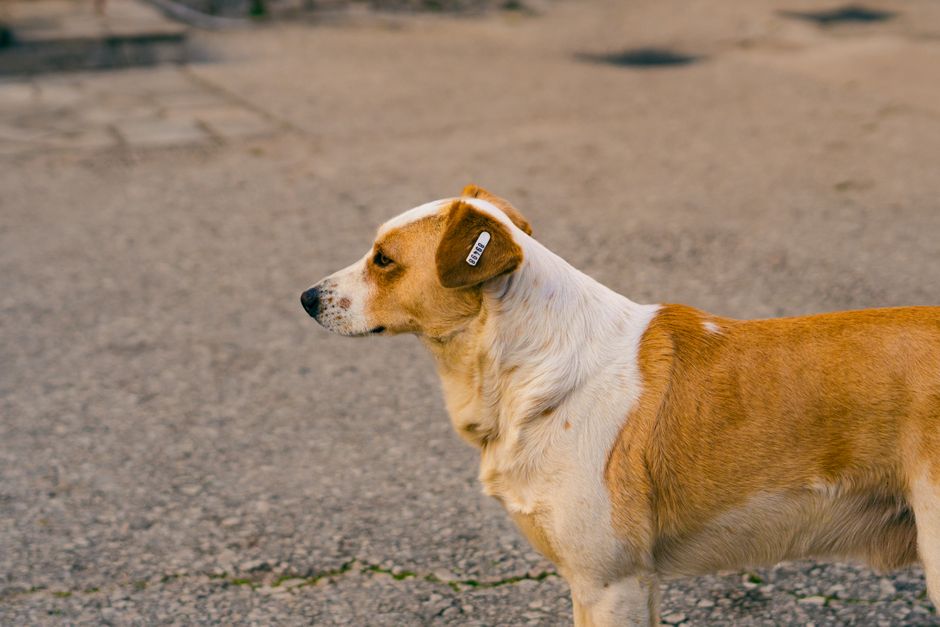
The Ultimate Guide to Dog Collar ID Tags: Why QR Technology Is Your Pet’s Best Safety Tool
Discover everything you need to know about dog collar id tags—from traditional metal plates to modern waterproof QR codes. Learn how Pethna’s smart tags can help you reunite with your lost dog within minutes.
Every pet owner knows the sinking feeling when their dog dashes out the front door or slips off the leash during a walk. In that moment, dog collar id tags become the single most important accessory your pet can wear. These small, unassuming tags carry the information that could reunite you with your furry friend within minutes—or hours, if the tag is outdated, damaged, or unreadable. Traditional engraved metal tags have been the go-to for decades, but they come with serious limitations: they tarnish, get scratched, and can only hold a few lines of text. In the age of smartphones and instant data, a new generation of smart QR code pet tags is transforming the way we approach pet recovery. Pethna’s waterproof QR code tags combine the durability of modern materials with the convenience of a digital profile that updates in real time. Whether you’re a first-time puppy owner or a seasoned multi-pet household, understanding the nuances of dog collar id tags can make the difference between a happy reunion and a tragic loss. This comprehensive guide covers everything you need to know—from how to choose the right tag to why QR technology is a game-changer for pet safety worldwide.
The Critical Role of Dog Collar ID Tags in Pet Safety
Pet identification has evolved significantly, yet the core principle remains unchanged: a visible, accessible identifier on your dog’s collar is the fastest way for a stranger to contact you when your pet is lost. According to the American Humane Association, nearly one in three pets will go missing at some point in their lives. Among those, only about 15% of dogs without identification are ever returned to their owners. Dog collar id tags, when paired with a microchip, dramatically increase the odds of a reunion. The tag provides immediate, no-tech-contact information—anyone who finds your dog can read a phone number or address right there on the street. This immediacy is crucial because the first few hours after a dog gets lost are the most critical. A well-designed tag can turn a panicked finder into a helpful rescuer, potentially avoiding trips to crowded shelters or costly advertising.
However, not all dog collar id tags are created equal. A tag that is illegible because the engraving wore off, or one that fell off during an escape, is essentially useless. This is why durability and retention are just as important as the information itself. Many pet owners report losing traditional tags because the split ring broke or the metal corroded from exposure to water and dirt. In colder climates, ice and snow can make metal tags brittle, while salty ocean air accelerates tarnishing. These environmental factors mean that a tag must be robust enough to withstand the same adventures your dog enjoys—rain, mud, swimming, rolling in leaves, and even chewing. The tag also needs to stay securely attached to the collar; a dangling tag can catch on fences or branches, increasing the risk of the entire collar slipping off. Modern solutions like flat, riveted tags or silicone-backed plates address some of these issues, but the gold standard today is a waterproof, lightweight QR code tag that combines permanent laser etching with a dynamic digital profile.
Beyond physical resilience, the content of the tag matters deeply. Most traditional tags are limited to your phone number and your pet’s name, but what if you’re traveling and your local number doesn’t work? Or what if your dog has a medical condition that a rescuer should know about? This is where the paradigm shifts from static text to smart ID tags. By incorporating a QR code, you can store an entire digital profile—emergency contacts, veterinary information, dietary restrictions, and even a reward offer. Every time you update your phone number or address in the Pethna dashboard, every tag linked to that profile reflects the change instantly. No re-engraving, no waiting for a new metal tag to arrive. This flexibility is particularly valuable for pet owners who move frequently, travel with their dogs, or have pets with special needs. In essence, a QR-based dog collar ID tag transforms a simple identifier into a dynamic, always-accurate safety net.
Traditional Tags vs. Modern QR Code Solutions
For generations, pet owners relied on engraved metal plates hanging from a ring—the classic dog collar id tags that you see jingling on every dog. They’re inexpensive, widely available, and straightforward. But in a world where technology is pervasive, the limitations of these traditional tags are becoming impossible to ignore. A typical metal tag can only hold around four lines of text. You usually fit your pet’s name, your phone number, and maybe a street address—if the engraving is small enough. That means no medical notes, no secondary contact, and no way to update the information without buying a new tag. Over time, the engraved letters wear down, especially on softer metals like brass or aluminum. After a year of rubbing against a collar or hitting the ground during play, the tag can become nearly illegible. This is a silent risk: you assume the tag is fine because you can still read it up close, but a stranger finding your dog in dim light or at a distance might only see a scratched surface.
Modern QR code pet tags solve these problems by decoupling the physical tag from the stored data. Instead of engraving details onto the tag itself, the QR code acts as a digital pointer. Anyone with a smartphone—and that’s nearly every adult today—can scan the code and instantly see a secure, owner-controlled profile. This means the tag never needs to be replaced when you change your phone number, move, or add a new emergency contact. You simply log into your Pethna account, edit the information, and the next scan shows the updated data. The physical tag can be made from much more durable materials because it doesn’t need to hold text. Pethna’s tags, for example, are crafted from hardened stainless steel or high-grade silicone that is completely waterproof, resistant to corrosion, and virtually unbreakable. They are also designed to be attached flush to the collar, reducing the risk of snagging or noise. Gone is the constant jingle-jangle that annoys both you and your dog; a flat QR tag sits silently against the neck.
Another critical advantage of QR-based dog collar id tags is the ability to include instructions for the finder. A good QR landing page will guide the person through the next steps: “Please contact the owner at this number, or if no answer, take the pet to the nearest vet listed below.” This reduces confusion and increases the likelihood of a safe return. Some systems even allow the finder to send an automatic text message or email alert to the owner when the tag is scanned, providing real-time location data (if the finder consents). This feature alone can turn a passive tag into an active recovery device. Traditional tags, by contrast, rely entirely on the finder’s willingness to call a number that might go to voicemail or be out of service. They also leave no digital trail—if the finder takes the dog home and tries to help later, there’s no record of the encounter. QR tags bridge the gap between analog identification and modern connectivity, ensuring that your pet’s information is always accurate, accessible, and actionable.
What to Look for in the Perfect Dog Collar ID Tags
Choosing the right dog collar id tags requires a careful evaluation of several factors beyond just the material or the engraving. The most important criterion is durability. Your dog’s tag will be exposed to moisture, dirt, impact, and constant friction. Look for tags that are explicitly rated as waterproof and rustproof. Stainless steel and anodized aluminum are excellent choices, but they can still develop scratches over time. A tag that uses laser etching rather than traditional stamping will remain readable much longer because the marks are fused into the surface rather than indented. Pethna’s tags, for instance, use a high-contrast laser engraving that resists fading even after years of submersion in water or exposure to UV rays. Additionally, consider the tag’s attachment method. A split ring is the most common, but it can fail if the ring is thin or low quality. Some tags come with a silicone ring that holds the tag flat against the collar, preventing wobble and reducing wear. Others use a rivet that fastens directly onto the collar, making the tag essentially permanent.
Another crucial factor is the readability of the information. For traditional tags, this means legible, deeply stamped letters that are large enough to read from a reasonable distance. But for QR code tags, readability depends on the quality of the code itself. A poorly printed QR code—faded, too small, or low contrast—may not scan reliably. Always choose a tag where the QR code is laser-etched or printed with high-resolution, durable ink. The code should be at least 0.8 inches (20 mm) on each side to ensure easy scanning with a standard smartphone camera. Some manufacturers place the code in a recessed area to protect it from abrasion. Also, ensure that the linked digital profile is responsive and mobile-friendly. If a finder lands on a slow, unoptimized page, they might give up. Pethna’s platform guarantees a fast, clean interface that loads in under two seconds and works on any device.
Weight and size are also considerations, especially for small breeds or puppies. A heavy metal tag can irritate a tiny dog’s neck or contribute to collar fatigue. Lightweight materials like aluminum or hardened polymers are ideal. Some QR tags are as thin as a credit card and weigh only a few grams, making them barely noticeable to the dog. Yet they remain strong enough to withstand normal wear and tear. Finally, think about aesthetics and personalization. While the primary goal is safety, there’s no harm in having a tag that looks good. Many pet owners want their dog’s collar tag to reflect their style, with choices of colors, shapes, or even custom engravings. Pethna offers a range of designs—from classic round to sleek rectangular—and allows you to add your pet’s name on the front alongside the QR code. This dual approach gives both immediate visual information (a name) and a path to detailed digital data. In short, the perfect dog collar id tag balances durability, readability, weight, attachment security, and design, all while ensuring that the digital back-end is reliable and easy to update.
15-day free trial — No commitment
All premium features unlocked. No credit card required. Protect your pet in 2 minutes.
Try free for 15 daysHow to Choose the Right Dog Collar ID Tag for Your Pup
Selecting among the myriad options for dog collar id tags can feel overwhelming, but breaking down the decision by your dog’s lifestyle makes it manageable. Start by assessing your dog’s activity level. If your dog is a couch potato who rarely goes outside except for short walks, a traditional engraved metal tag might serve you well—provided you keep it clean and check for wear. However, if your dog loves swimming in lakes, rolling in mud, or sprinting through underbrush, you need a tag that can endure those conditions without losing its information. Active dogs benefit enormously from waterproof, snag-proof QR tags that are flush-mounted to the collar. A tag that swings and clangs will not only annoy the dog but also risk getting hooked on branches or fences. Pethna’s low-profile design eliminates these hazards, making it ideal for hike-loving canines or dogs that enjoy off-leash play at the park.
Next, consider your own lifestyle and how often you update your contact information. Do you travel frequently? Do you have a second home or a mobile number that changes? If you move often or use different phones for work and personal life, traditional tags become a constant headache—you’re always ordering a new one or, worse, relying on an outdated number. A QR code tag with a dynamic profile lets you update your information in seconds from any device. This is especially valuable for renters, students, or military families who relocate regularly. Even if your number stays the same, the ability to add a secondary contact (like a friend or family member) provides a safety net. The Pethna dashboard allows you to set multiple emergency contacts and even specify the order in which they should be called. That extra layer ensures that if you’re unreachable, someone else can step in to coordinate the recovery.
Your dog’s breed and size also influence the choice. Toy breeds and puppies have delicate necks that can be irritated by a heavy dangling tag. For them, a lightweight silicone or thin stainless steel QR tag is best. Large, powerful dogs might snap a weak split ring or destroy a plastic tag with a single bite. In those cases, look for a tag made from aircraft-grade aluminum or titanium with a reinforced stainless steel ring. Pethna offers different strength options to match your dog’s chewing and activity habits. Additionally, the type of collar matters. A flat buckle collar works well with most tags, but if you use a martingale, harness, or chain collar, you might need a special attachment to prevent the tag from sliding around. Some collars have integrated loops for tags, while others require you to add a separate ring. Ensure the attachment method is compatible—if a QR tag comes with a rivet that requires a hole in the collar, you may need to punch one (or choose a model that uses a ring). Finally, think about the future: will your dog grow out of the collar? Investing in a durable tag that you can transfer to multiple collars over your pet’s lifetime saves money and ensures consistency in identification.
The Technology Behind Smart QR Code Pet Tags
Understanding how smart QR code pet tags work can help you appreciate why they are so effective—and why Pethna’s implementation is best-in-class. At its heart, the technology is deceptively simple: a QR (Quick Response) code is a two-dimensional barcode that can be read by any smartphone camera without the need for a dedicated app. When a finder scans the code on your dog’s tag, their phone automatically opens a web page that you have pre-configured. This page contains all the crucial details about your pet—your contact information, medical notes, and a photo if you choose. The magic lies not in the QR code itself (which is static) but in the backend system that serves the content. Pethna’s servers dynamically deliver the most up-to-date version of your pet’s profile each time the code is scanned. This means you can change your address or phone number, add a reward, or even deactivate the profile if you find your pet, and it will reflect immediately on the next scan.
The security of this system is paramount. Anyone can scan a QR code, so you want to control what information is visible. Pethna’s platform allows you to choose what data to display—just a phone number, or full details including veterinary records. The finder does not need to log in or provide personal information; they simply see the profile. However, you can optionally enable features that allow the finder to send you an anonymous text message or share the location of the scan, which can be encrypted for privacy. Importantly, the QR code itself does not contain any personal data; it’s just a URL. This means that if the tag is lost or discarded, no one can reverse-engineer your home address from the physical object. The security is further enhanced by using HTTPS (SSL) on the landing page, protecting any data that passes between the finder’s phone and Pethna’s servers.
Another technological advancement is the integration of NFC (Near Field Communication) in some tags, though QR codes remain more universally accessible. NFC requires the finder to have an NFC-enabled smartphone and to tap the tag—this works on iPhones and newer Android devices but is less intuitive than scanning a QR code. Pethna focuses on QR because it works with *any* smartphone, regardless of make or model, and requires no prior setup. The QR code is also more resilient to dirt; you can scan a code through a thin layer of mud or a light scratch, whereas NFC reading can be disrupted by metallic debris or misalignment. Additionally, the digital profile can include links to other resources, such as a map of local veterinary emergency rooms or a “Report Found” form that sends you an email. All these features turn a simple tag into a proactive recovery tool. As more pet owners adopt QR technology, the system becomes a network effect: the more dogs wear them, the more likely finders are to recognize and scan a QR code, making it a self-reinforcing safety strategy.
Frequently Asked Questions About Dog Collar ID Tags
1. Can a QR code tag replace a microchip?
No, a QR code tag and a microchip serve complementary purposes. A microchip is a permanent implant that requires a specialized scanner to read—it’s an essential backup, especially if the tag is lost or damaged. However, microchips are passive: a shelter or vet must actively scan the dog to retrieve the ID number, and they then need to contact the registry, which can take hours. Dog collar id tags–especially QR versions–provide immediate, visible identification that anyone can act on right away. For the best protection, use both: a microchip implanted by your vet and a durable QR tag on the collar.
2. How long do waterproof QR tags last?
The lifespan of a well-made waterproof QR tag like Pethna’s can exceed five years with normal use. The durability depends on the material and how the QR code is applied. Laser-etched stainless steel tags resist fading and scratching far longer than printed plastic tags. Silicone encasements also protect the code from abrasion. We recommend inspecting the tag periodically for any damage and testing the QR code by scanning it with your phone every few months to ensure the link still works and the profile is active.
3. What if a finder doesn’t have a smartphone or is not tech-savvy?
Although smartphone adoption is extremely high, there are rare cases where a finder might not own one or might be unfamiliar with scanning codes. To address this, Pethna’s tags can also be ordered with your pet’s name and a phone number engraved on the back of the tag, combining traditional text with the QR code. This dual design ensures that even a non-smartphone user can read a contact number. The QR code simply adds a powerful layer of convenience and extra information for those who can use it.
4. How do I update my pet’s information on Pethna?
Updating your information is simple and takes less than a minute. Log into your Pethna account on our website or mobile app, go to the profile linked to your tag, and edit any of the fields: phone numbers, address, medical notes, reward amount, etc. Hit save, and the change goes live instantly on the same profile that finders see when they scan the tag. You can also add or remove emergency contacts without needing to purchase a new tag.
Why Pethna Is the Ultimate Solution for Your Dog’s Safety
After exploring the various types of dog collar id tags and the technology behind them, you may wonder why you should choose Pethna over the dozens of other pet tag brands on the market. The answer lies in our commitment to three core pillars: durability, ease of use, and a lifetime of flexibility. Pethna tags are engineered to survive the rough and tumble of a dog’s life—we use certified waterproof materials that pass IP68 immersion tests, meaning they can stay submerged for 30 minutes without any damage. Our laser-etching process creates a high-contrast, scratch-resistant QR code that remains scannable even after years on an active dog. But beyond the hardware, our SaaS platform sets us apart. You don’t just buy a tag; you get a comprehensive pet safety account that you can manage from any device. Change your phone number, add a new dog, or update your vet details—all without ordering a new tag. And if you ever lose your dog, the finder’s scan can automatically send you an SMS alert with GPS coordinates (with their consent), turning your tag into a real-time tracking beacon.
We also prioritize the community aspect of pet recovery. Pethna partners with local shelters and rescue networks, so when a scan occurs, we can optionally notify nearby animal hospitals and volunteers. This networked approach increases the chances of a reunion, especially for pets that travel far from home. Unlike many competitors that require a subscription for basic features, Pethna offers a free lifetime profile with every tag purchase—you never pay a monthly fee just to keep your information active. Upgrades like advanced analytics, multiple contacts, and reward management are available in affordable plans, but the core safety function remains accessible to everyone. Moreover, our customer support team is staffed by pet lovers who understand the urgency of a lost pet. We’re available 24/7 to help you reactivate or update a profile, even in the middle of the night.
Finally, Pethna’s tags are designed with both aesthetics and functionality in mind. Choose from a range of colors, shapes, and engraving styles to match your dog’s personality. Our tags are slim enough for small breeds yet robust enough for giant ones. The attachment system uses a premium stainless steel split ring with a locking mechanism that prevents accidental loss—a common failure point in cheaper tags. When you purchase a Pethna tag, you’re not just buying a piece of metal; you’re investing in a system that grows with your pet. Whether you’re a puppy parent or caring for a senior dog with multiple medical needs, Pethna’s dog collar id tags give you peace of mind that your best friend can always find their way home. Join thousands of satisfied pet owners and equip your dog with the smartest ID solution available. Your dog’s safety is only a scan away.
---
*Pethna: The Smart Way to Keep Your Dog Safe.*

