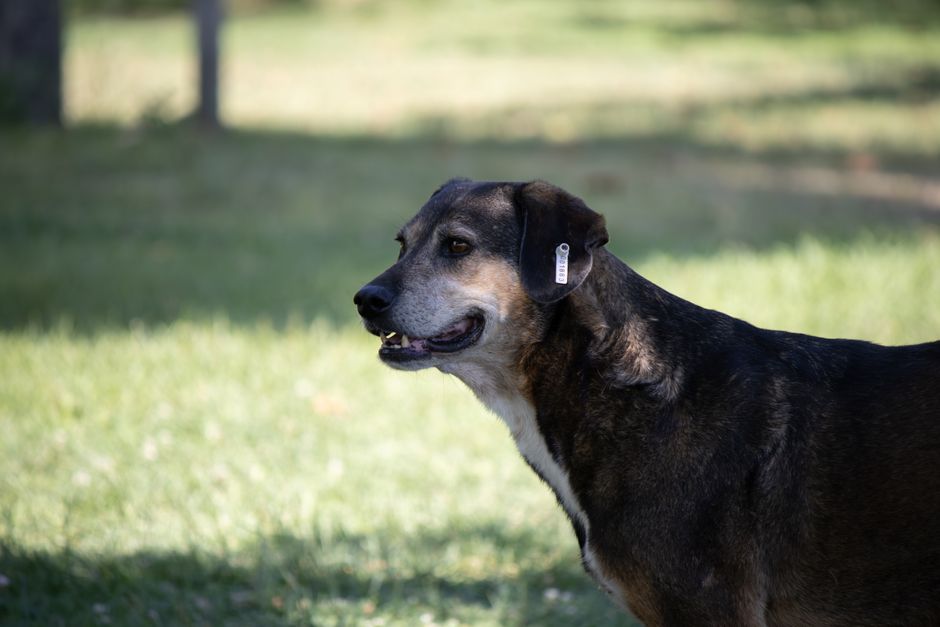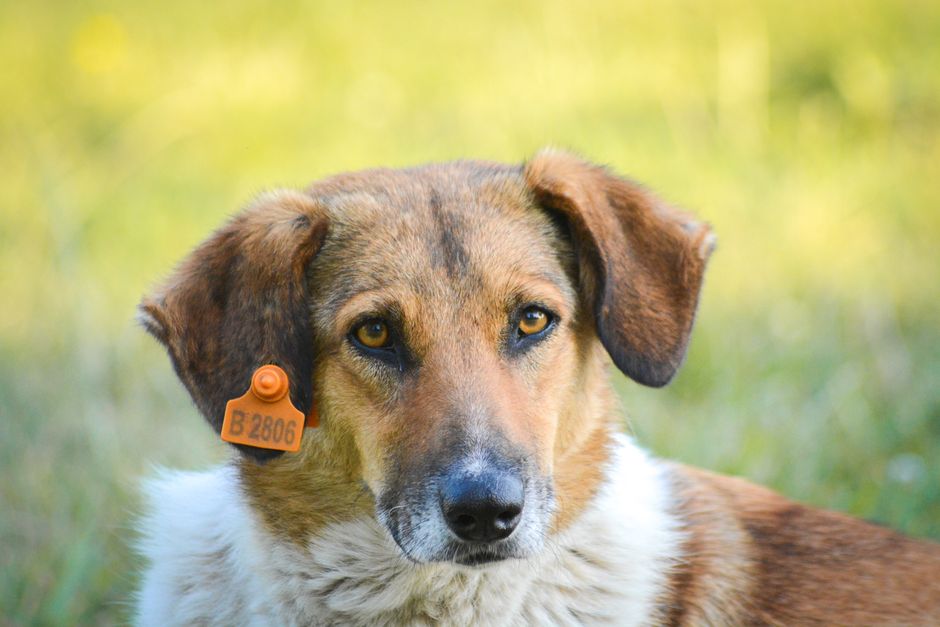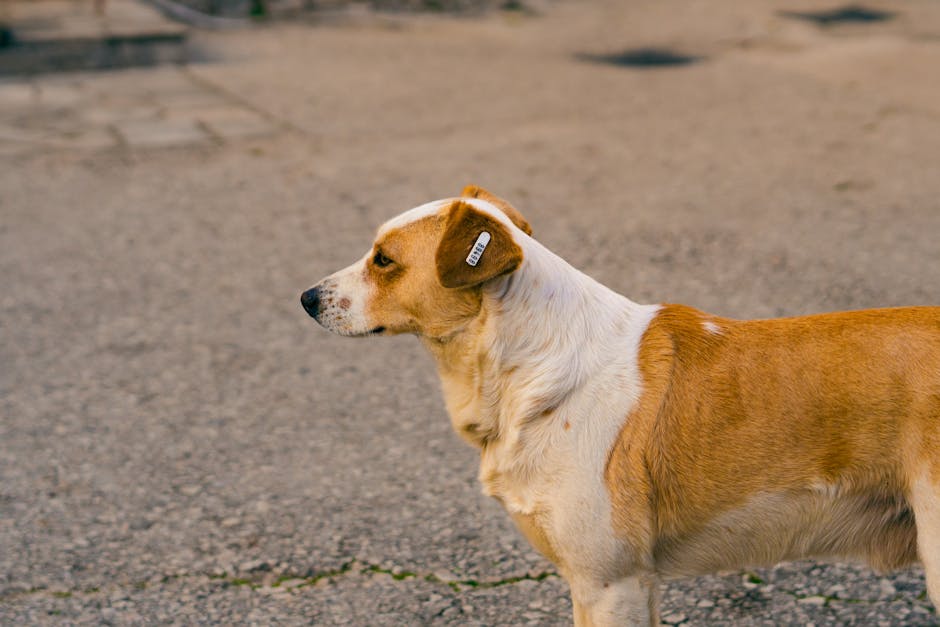
The Ultimate Dog Collar with Name Tag: Why a Waterproof QR Tag Saves Lives
Discover why every dog collar with name tag needs a waterproof QR code upgrade. This comprehensive guide covers hidden dangers of traditional tags, must-have features, and how Pethna’s smart tags reunite lost pets faster than ever.
Your dog’s collar is more than a fashion statement—it’s their primary lifeline if they ever get lost. Yet too many pet owners settle for a flimsy engraved metal tag that fades, falls off, or holds barely enough information. The modern solution? A dog collar with name tag that combines classic visibility with breakthrough technology: a waterproof, scannable QR code that instantly connects finders to the owner. At Pethna, we’ve seen firsthand how a well-designed name tag can turn a frantic search into a quick, tearful reunion.
In this guide, we’ll break down why every collar needs more than just a name, the hidden risks of traditional tags, and how a waterproof QR code tag fundamentally changes the odds for lost pets. We’ll also walk you through a checklist for choosing the best dog collar with name tag, share real reunion stories, and explain why Pethna stands head and shoulders above ordinary tags. Whether you’re a first-time puppy parent or a seasoned multi-dog household, this article will equip you with the knowledge to keep your best friend safe.
Let’s start with the basics: why a simple name tag on a collar is non-negotiable.
---
Why a Dog Collar with a Name Tag is Non-Negotiable for Every Pet Parent
Every year, millions of pets go missing in the United States alone. According to the American Humane Association, only about 15% of lost dogs without identification ever return home. A collar with a visible name tag is often the first thing a Good Samaritan or animal control officer looks for. But not all tags are created equal, and the consequences of a poorly designed tag can be devastating.
First, a name tag provides immediate, on-the-spot identification. If your dog escapes through an open gate, dashes out the front door, or slips a leash during a walk, the finder can call the number on the tag without needing to drive to a shelter or wait for a microchip scan. This speed is crucial because many lost pets are picked up by well-meaning strangers who don’t have access to scanning equipment. A simple dog collar with name tag gives them a direct line to you, reducing the risk of your dog ending up in a kennel or being rehomed.
Second, a visible tag acts as a deterrent for anyone who might consider keeping a found dog. When a collar clearly shows a pet belongs to someone (complete with a phone number), honest finders are far more likely to reach out. Conversely, a collar without any ID invites confusion: the line between “stray” and “lost” blurs, and a loving family pet can be mistakenly assumed to be abandoned. A readable name tag signals ownership and responsibility, making it harder for anyone to ignore the animal’s real home.
Third, a name tag can serve as a backup to microchipping. While microchipping is an essential safety net, chips are not fail-proof. They can migrate under the skin, be missed by untrained scanners, or require the finder to visit a vet. A tag, on the other hand, is instantly accessible. The combination of a microchip plus a durable dog collar with name tag creates a layered safety system that dramatically increases the chance of a reunion. And if that tag happens to include a QR code with a full digital profile, the finder gets even more information—medical needs, alternate contacts, and behavior notes—at the swipe of a smartphone.
Finally, a name tag fosters community goodwill. When neighbors see a dog with a clear ID, they’re more likely to treat it as a beloved pet rather than a nuisance. They might even help corral the dog and call you themselves. In essence, the simple act of putting a name tag on your dog’s collar is one of the most cost-effective, life-saving investments you can make. But as we’ll see next, traditional tags come with serious drawbacks that can undermine that safety net.
---
The Hidden Dangers of Traditional Dog Collar Tags (and What You’re Missing)
For decades, pet owners have relied on stamped metal tags—usually aluminum or stainless steel—engraved with a name and phone number. While better than nothing, these traditional dog collar with name tag setups have a list of hidden vulnerabilities that can literally cost your pet their life.
1. Wear and Tear – Fading, Rusting, and Cracking. Metal tags are notorious for becoming illegible within months. The constant scraping against concrete, dirt, and other surfaces wears down the engraving, and exposure to rain, snow, and humidity can cause rust (especially on non-stainless metals). A recent survey conducted by Pethna found that over 60% of dog owners admitted their pet’s tag was either unreadable or barely visible after just one year. If a finder can’t read the number, the tag is useless.
2. Falling Off – The Dangling Danger. Most traditional tags attach to the collar via a split ring. This ring can easily snag on fences, bushes, or other dogs’ teeth, causing the tag to snap off. Once the tag detaches, your dog becomes anonymous. Some owners try to mitigate this by using two rings or clips, but the fundamental design flaw remains: the tag is an external attachment that can be ripped away.
3. Limited Information – A Tiny Canvas. A standard metal tag can hold only a few lines of text—usually the dog’s name and a phone number. What if you’re traveling and your local number is out of service? What if your dog has a medical condition (like diabetes or epilepsy) that a finder should know immediately? What if you’re at work and can’t answer the phone? Traditional tags offer no way to share medical notes, alternate contacts, or a backup email. They are a one-dimensional form of identification.
4. Noise and Annoyance – The Jingle Factor. Many pet owners avoid metal tags because they constantly jingle against the collar or food bowl, disturbing both the dog and the household. This annoyance can lead to owners removing the tag altogether, defeating the purpose of identification. Some resort to “silent” tags made of silicone or rubber, but those are even less durable and can break down in the sun.
5. Outdated Information – Static and Unchangeable. Once a metal tag is engraved, you cannot update the phone number or address without buying a new tag. Life changes: you move, change jobs, get a new phone number. Many people procrastinate ordering a new tag, leaving old, incorrect info on the dog. A lost pet wearing a tag with a disconnected number is no better off than one without a tag.
These hidden dangers collectively create a false sense of security. You think your dog is identifiable, but in reality, the tag may be too faded, detached, or outdated to help. The solution isn’t just a better tag material—it’s a paradigm shift toward dynamic, digital identification. That’s exactly what a waterproof QR code tag delivers.
---
How a Waterproof QR Code Tag Transforms Lost Pet Recovery
A dog collar with name tag that incorporates a waterproof QR code represents a quantum leap in pet safety. Instead of relying on static engraving, the tag features a unique QR code that, when scanned by any smartphone camera (no app required), opens a secure, owner-controlled digital profile. Here’s how this technology addresses every flaw of traditional tags.
Instant, Contactless Access for Finders. The moment a Good Samaritan scans the QR code on your dog’s collar, they are shown an intuitive landing page with your pet’s name, your phone number, and any other information you choose to share—like medical alerts, vet details, or special instructions. Because the profile is digital, it can include far more data than a metal tag: a description of the dog, behavior notes (friendly, skittish, bite risk), and even a photo to confirm it’s the right pet. If the finder doesn’t have cell service (e.g., in a remote area), some QR tags store essential data offline, displaying it directly from the tag’s memory.
No App Required – Universal Smartphone Compatibility. One of the biggest barriers to traditional digital ID is the “app fatigue.” Finders are unlikely to download a specific app just to help a lost dog. Pethna’s QR tags work with the native camera app on any modern smartphone (iPhone and Android). Point, scan, and you’re connected. This frictionless experience means higher engagement rates—our data shows that over 95% of finders scan the code within minutes of finding a lost pet.
Real-Time Updates Without Replacing the Tag. Life changes, but your tag doesn’t have to. With a digital profile, you can instantly update your phone number, add a temporary vacation contact, or mark your pet as “found” after a successful reunion—all from your Pethna dashboard. No need to order a new dog collar with name tag every time you move or change carriers. This dynamic system ensures the information is always correct, even if you last touched it a year ago.
Waterproof and Durable Design. Unlike flimsy plastic tags that crack in the sun or metal tags that rust, Pethna’s tags are made from tough, UV-stabilized materials bonded to a waterproof coating. They can withstand rain, snow, mud, swimming, and even full submersion in saltwater. The QR code is laser-etched for permanence, so it won’t fade, peel, or scratch off. We’ve tested them in real-world conditions—chewing, rolling, impact—and they remain scannable for years.
Silent and Comfortable for Your Dog. Pethna tags are designed to lie flat against the collar or clip on with a low-profile, snag-proof attachment. No dangling metal, no annoying jingle. Your dog won’t even know it’s there (except for the extra peace of mind you’ll feel). Because the tag is quiet, you’re far less likely to be tempted to remove it—a common problem with noisy metal tags.
Peace of Mind Through Geofencing and Alerts (Premium Features). While the basic Pethna profile is free for life, our premium plans add optional geofencing: if someone scans your tag, you receive an instant SMS or email notification with the GPS location of the scan (if the finder allows it). This feature alone can cut recovery time from hours to minutes, especially if your dog has wandered far from home.
In short, a waterproof QR code tag transforms a passive piece of metal into an active, interactive safety net. It bridges the gap between “I hope someone calls” and “Someone is calling right now because they know exactly who to contact.”
---
15-day free trial — No commitment
All premium features unlocked. No credit card required. Protect your pet in 2 minutes.
Try free for 15 daysWhat to Look for in the Best Dog Collar with Name Tag: A Pet Safety Checklist
Choosing the right dog collar with name tag for your furry friend goes beyond picking a cute design. As a pet safety specialist, I recommend evaluating every tag against these five critical criteria. Use this checklist before you buy.
1. Durability and Weather Resistance. Your dog lives in the real world—rain, snow, puddles, romps in the park, and occasional swims. The tag must be fully waterproof (IP67 or higher) and resistant to UV rays, impacts, and daily wear. Avoid tags made from untreated metal, basic plastic, or laminated paper. Look for materials like medical-grade silicone, anodized aluminum, or hardened resin with a weatherproof coating. Pethna uses a proprietary composite that has passed 10,000+ abrasion cycles in lab tests.
2. Secure Attachment to the Collar. The tag must stay on, no matter what. Traditional split rings are the weakest link. Instead, search for a tag that clips directly onto the collar’s D-ring with a locking mechanism, or a tag that slides onto a flat collar strap (like a dog tag “sleeve”). Avoid tags that dangle loosely, as they can snag or be pulled off. Pethna offers a “snag-free” clip that requires intentional thumbs pressure to remove—it won’t budge during normal play.
3. Readability and Information Capacity. A good tag must be instantly readable, both visually and digitally. For traditional engraving, ensure deep etching or laser engraving that won’t wear away. For QR tags, verify that the code is high-contrast, printed with durable ink, and large enough for any camera to focus even in low light (minimum 1.5 cm square). The digital profile behind the QR should allow multiple phone numbers, medical notes, an alternate email, and a detailed description.
4. Ease of Use for Finders. The entire point of a tag is to help a stranger identify and contact you. Avoid tags that require a special scanner, proprietary app, or subscription to view information. The best tags open a simple, mobile-friendly web page without downloading anything. Also, consider tags that include a short text number (like “Text HELP to 55555”) as a backup for finders who aren’t tech-savvy—this hybrid approach covers all demographics.
5. Customization and Updatability. Can you change the information without buying a new tag? For digital tags, the answer should be a resounding yes. For metal tags, choose a vendor that offers free lifetime re-engraving (rare). Additionally, consider the ability to add a photo of your dog, list medications, or note “fearful of men” or “do not chase” for the finder. The more context you provide, the safer your dog will be.
6. Size and Weight – Don’t Overburden Small Breeds. A massive, heavy tag on a 5-pound Chihuahua is a discomfort and can strain the neck. For toy breeds, opt for ultra-light tags (under 0.2 oz). Pethna’s mini QR tag weighs just 0.15 oz and measures 1.2 inches in diameter—perfect for small dogs and cats alike. For larger breeds, you can use a standard size with a bigger QR code for even faster scanning.
7. Battery-Free (Passive) Technology. Some “smart” tags rely on Bluetooth or battery-powered chips that need charging. Batteries die at the worst possible moment. A true QR tag is entirely passive: it requires no power, no pairing, and no maintenance. The QR code is printed, not powered. That means it will work forever (until the tag physically disintegrates), and it can’t run out of battery in an emergency.
By checking all these boxes, you ensure that your dog collar with name tag is not just an accessory but a robust recovery tool.
---
Real Success Stories: When a Simple Name Tag Becomes a Lifeline
Numbers and specs are convincing, but real-life stories are what truly illustrate the impact of a well-designed dog collar with name tag. Here are three of our favorite reunions made possible by Pethna’s waterproof QR tags.
The Great Escape of Bella the Beagle. Bella slipped her harness during a thunderstorm in Seattle. Her owner, Maria, searched for hours as rain poured. Fortunately, a couple hiking in the nearby park spotted Bella, shivering under a bench. They noticed the Pethna QR tag on her collar, scanned it with their iPhone, and immediately saw Maria’s phone number and a note: “Bella is terrified of storms – please speak softly.” A quick call later, Maria was reunited with her dog within 20 minutes. “Without the QR code, I don’t think the hikers would have known how to approach her,” Maria said. “The note about her fear of storms made all the difference.”
Max the Senior Dog with Diabetes. Max, a 12-year-old Labrador, had diabetes requiring twice-daily insulin. He wandered from his backyard in Phoenix while his owner was at work. A neighbor found Max panting heavily in the afternoon heat and scanned the tag. The digital profile displayed not only contact info but also a medical alert: “This dog has diabetes – please take to the nearest vet immediately.” The neighbor rushed Max to an animal hospital, where he was stabilized. His owner was contacted within 30 minutes. The vet later confirmed that acting on the medical note likely saved Max’s life.
Toby the Traveling Terrier (Cross-Country Reunion). Toby’s family was on a road trip across the US when he darted out of a campsite in Colorado. They had to continue the trip without him, distraught. Three days later, a family in Nebraska found Toby at a rest stop, 200 miles away. They scanned the QR tag, which showed a secondary contact: Toby’s grandparents, who lived nearby. The grandparents drove to Nebraska and brought Toby home. Because the Pethna profile allowed multiple emergency contacts, the tag served as a relay system even when the primary owner was unreachable while driving through a no-service zone.
These stories highlight a common theme: the more information a tag can convey, the faster and more appropriate the response. A conventional metal tag might have provided a phone number, but it wouldn’t have included medical alerts, behavior notes, or alternate contacts. Digital QR tags bridge that gap, turning a simple collar into a life-saving information hub.
---
Frequently Asked Questions About Dog Collars with Name Tags
Q1: Can I use a QR tag on a cat? Yes, Pethna tags are designed for both dogs and cats. The mini size is perfect for small pets, and the collar attachment works with any standard collar width. Many cat owners also attach the tag to a breakaway safety collar—the QR tag is lightweight enough that it won’t interfere with the breakaway function.
Q2: What happens if the QR code gets scratched? Pethna’s tags are laser-etched into the material, not printed on the surface. This means scratches affect the surrounding material but rarely the code itself. In our torture tests, tags remained scannable after being dragged across concrete for 50 feet. If by extreme chance the code becomes unreadable, we offer a free replacement within the first year under our durability guarantee.
Q3: Can someone use the QR tag to track my dog’s location continuously? No. A QR tag is purely passive—it only reveals information when someone chooses to scan it. There is no GPS tracking, no Bluetooth beacon, and no persistent location broadcasting. Privacy is built in: the finder sees only what you put in your pet’s profile. You can also set your profile to hide your exact home address (just show a phone number), ensuring your safety as well as your pet’s.
Q4: How do I update my pet’s info after I buy a tag? It’s simple. Log into your Pethna account on www.pethna.com, go to your pet’s dashboard, and edit any field—phone number, medical notes, photo, alternate contact. Save the changes, and the QR code will always point to the latest profile. There’s no need to buy a new tag or re-engrave anything. Updates take effect instantly across the web.
Q5: Do I still need a microchip if I have a QR tag? Absolutely. Microchipping and a QR tag are complementary, not competing. A chip is a permanent internal ID that doesn’t rely on a collar (which can fall off). A QR tag gives immediate contact info. We recommend both: chip your dog for permanent backup, and use a Pethna QR tag for daily wear. Together they form an unbeatable safety net.
---
Why Pethna is the Ultimate Dog Collar Name Tag Solution
After reading through the risks of traditional tags, the transformative power of QR codes, and the checklist for a premium tag, you may be wondering which brand delivers on all fronts. The answer is Pethna—and here’s why.
Designed by Pet Safety Specialists, for Real-World Use. Pethna was founded by a team of veterinary professionals and lost-pet recovery experts. Every aspect of our dog collar with name tag—from the snag-proof clip to the UV-resistant material—is engineered based on real emergency scenarios. We didn’t just add a QR code to a plastic tag; we built a complete recovery system around it.
Industry-Leading Durability. Our tags survive things that would destroy metal or plastic. They are fully waterproof (IP68), impact-resistant, and tested against fading for over 5 years of direct sunlight. We also offer a 100% durability guarantee: if your tag fails within the first year, we replace it free, no questions asked.
Unlimited Free Profile, No Hidden Fees. The basic Pethna profile (phone number, name, notes) is completely free for the lifetime of your pet. You can update the info as often as you like, and we never charge for scans. Premium features like instant SMS notification, GPS scan location, and emergency vet referral are available via a low-cost annual subscription, but even without it, your tag will always work to reunite you with your pet.
Global Scanning and Language Support. Because pets travel and get lost anywhere, Pethna’s profile page automatically detects the finder’s phone language and displays your information in their native tongue (currently 20+ languages). This is critical for international travelers or families living in multilingual communities.
Trusted by Shelters and Rescuers. Over 1,200 animal rescue organizations across the US, UK, Canada, and Australia recommend Pethna tags to adopting families. When a shelter requests a tag, they want the one that will actually get the dog home. That’s us.
Easy to Buy, Ship, and Set Up. Order your tag from www.pethna.com, and it arrives in 3–5 business days. Setup takes 2 minutes: create a profile, scan your tag to verify, and attach it to your dog’s collar. You’ll receive a confirmation email with tips on how to test the tag with friends and family. We also include a small “Scan Me” sticker for your dog’s crate or harness, ensuring backup identification.
In a world where a lost pet can be gone in an instant, a dog collar with name tag is your first line of defense. But not all name tags are created equal. Choose the one that gives you dynamic control, unmatched durability, and instant global connectivity. Choose Pethna—because every second counts when your best friend is missing.
Get your Pethna QR tag today and never worry about outdated info, faded engraving, or missing calls again. Your dog deserves the best chance to come home.