The Ultimate Dog Tag for Collar: Waterproof Tech That Brings Them Home
Discover why a standard dog tag for collar is no longer enough. Explore the rise of waterproof QR code pet tags, and learn how Pethna’s durable technology provides a permanent, scannable lifeline for your lost dog.
Introduction
Every second counts when a dog slips out of a gate, digs under a fence, or bolts after a squirrel. In that heart-stopping moment, the only thing standing between a frantic owner and a happy reunion is usually a single piece of hardware: the dog tag for collar. For decades, pet owners have relied on metal discs engraved with a name and phone number, trusting these simple tags to be the voice for a lost animal. But the world has changed. Today, the average dog is more likely to be found by a stranger using a smartphone than by someone squinting at a scratched piece of brass. The modern dog tag for collar must evolve beyond static information. It needs to be durable, scannable, and permanent.
At Pethna, we have re-engineered the humble tag from the ground up. We understand that the perfect dog tag for collar is not just an accessory; it is a safety device. It must survive river crossings, muddy rollovers, and years of daily wear without fading or breaking. Furthermore, it must provide a seamless way for a good Samaritan to contact you instantly, without needing a magnifying glass to read worn engraving. This comprehensive guide will walk you through everything you need to know about choosing the best dog tag for collar in 2026, from material science to digital integration. Whether you own a tiny Chihuahua or a lumbering Great Dane, the information below will help you make an informed decision that could save your dog's life.
We will explore the critical flaws of traditional tags, explain why waterproofing and QR technology have become essential, and ultimately show you why Pethna stands alone as the most reliable solution on the market. By the end of this article, you will have a clear roadmap for upgrading your pet’s dog tag for collar from a simple metal plate to an advanced recovery system. Let’s dive into the details that matter most when your best friend goes missing.
Why Your Dog Needs More Than Just a Name on Their Collar
Pet owners often fall into the trap of assuming that a basic engraved tag is enough. After all, if someone finds your dog, they will see the name and call the number, right? Unfortunately, reality is far messier. The data from animal shelters tells a sobering story: hundreds of thousands of lost pets are never reunited with their families each year. A major contributing factor is the failure of the dog tag for collar to function when it is needed most. Traditional engraved tags are prone to severe wear. Over time, the metal bends, the letters become illegible, and the tag can simply fall off the collar ring. Relying solely on a stamped piece of metal is a high-risk gamble with your pet's safety.
Another critical issue is the information bottleneck. A standard engraved tag provides only a few characters of space. Owners often fit only a single phone number and the pet’s name, leaving no room for critical medical information, microchip numbers, or a secondary contact. If the primary number is unreachable during an emergency—perhaps the owner is traveling, in a meeting, or has changed numbers—the tag becomes useless. The finder has no alternative means of contact. This single-point-of-failure design is a fundamental flaw in classic dog tag for collar design. A modern solution must offer redundancy and room for comprehensive data.
Furthermore, consider the scenario of a frightened or injured dog. A good Samaritan may be hesitant to approach a nervous animal long enough to read a tiny tag. They might need to get dangerously close to the dog’s mouth to flip the tag over and read the back. This interaction can be stressful for both human and animal. A modern dog tag for collar should be designed for quick, visual scanning from a safe distance. This is where QR code technology shines, allowing a finder to point their phone camera at the tag and access a full profile without ever touching the dog. The shift from passive identification to active, digital connection is the most significant advancement in pet safety since the microchip.
Finally, we must address the problem of tag noise. The jingling of metal tags is a constant annoyance for many dogs and their owners. It can interfere with training, cause anxiety in sensitive pets, and alert wildlife to a dog's presence during a walk. While this might seem like a minor inconvenience, it speaks to the overall design philosophy of the dog tag for collar. A good tag should be seen and scanned, not heard. Modern silicone or advanced polymer tags address this issue head-on, offering silent identification. The best dog tag for collar in 2026 prioritizes comfort, silence, and redundancy over outdated traditions. It is time to move beyond the noisy, fragile, and information-poor tags of the past.
The Anatomy of a Perfect Dog Tag for Collar: Material, Size, and Durability
When selecting a dog tag for collar, the material is the first and most important decision. Traditional metal tags, typically made from brass, stainless steel, or aluminum, have been the standard for generations. However, each metal comes with significant trade-offs. Brass is heavy and prone to tarnishing, turning green and eventually corroding. Aluminum is lightweight but incredibly soft, meaning engraving wears away rapidly with contact with concrete or other surfaces. Stainless steel is durable but heavy, and a large stainless steel dog tag for collar can be a real burden for a small dog or a puppy. These materials also conduct cold and heat, which can be uncomfortable for a dog that wears a tag against their chest in freezing weather.
In response to these flaws, the industry has shifted towards engineered polymers and medical-grade silicone. These modern materials offer a superior strength-to-weight ratio. A high-quality polymer dog tag for collar is virtually indestructible, resistant to cracking, and impervious to corrosion. Unlike metal, these materials are non-conductive, meaning they stay comfortable against the skin in any weather condition. They are also naturally silent, eliminating the annoying jingle that drives owners crazy. When you choose a silicone or polymer tag, you are selecting a material that was designed from the ground up for the unique demands of an active pet’s life, not repurposed from a hardware store bin.
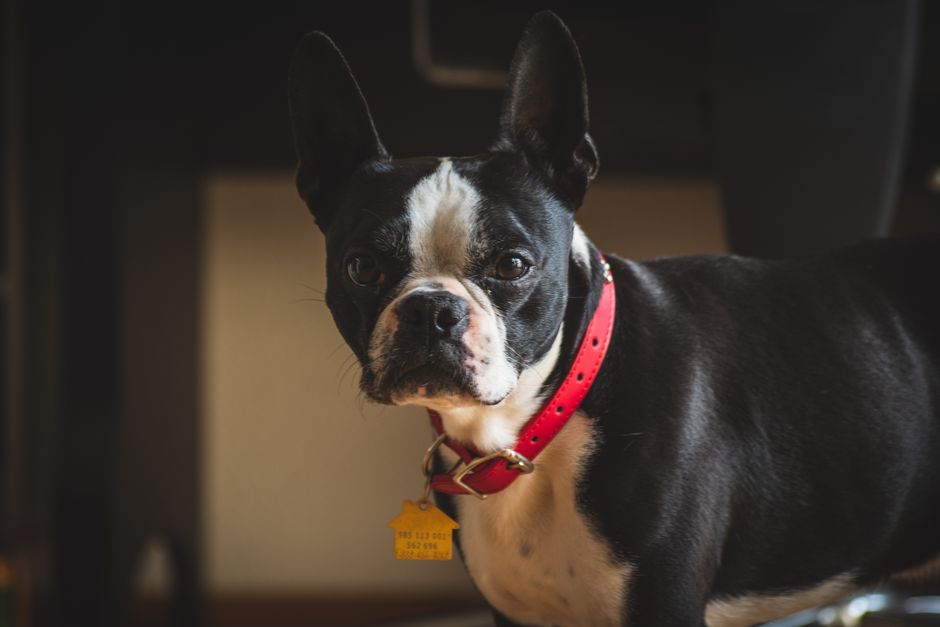
Size and shape are equally critical components of the perfect dog tag for collar. A tag that is too large can get caught on furniture, gates, or branches, posing a strangulation risk. A tag that is too small is difficult to read and can get lost in the dog's fur. The ideal tag should be proportional to the dog's breed and neck size. For example, a French Bulldog might do well with a compact, round tag that sits flat, while a Labrador Retriever might benefit from a slightly larger, bone-shaped tag with ample surface area. The shape should also allow the QR code to be scanned easily. A perfectly round dog tag for collar can sometimes roll and present the code at an awkward angle, whereas a flattened or slightly concave design ensures the camera can always capture the image.
Finally, the attachment mechanism is a frequently overlooked aspect of durability. The standard split ring, while common, is a weak point. These rings can bend open under pressure, allowing the tag to slip off the collar. A truly robust dog tag for collar uses a heavy-duty, welded ring or a specialized clip that requires a tool to remove. Some premium designs integrate the tag directly into the collar itself, eliminating the ring entirely. At Pethna, we use a military-grade, stainless steel split ring that is significantly thicker than standard rings, ensuring that your dog's tag stays where it belongs. The perfect tag is built to outlast the collar it hangs on.
15-day free trial — No commitment
All premium features unlocked. No credit card required. Protect your pet in 2 minutes.
Try free for 15 daysFrom Engraving to QR Codes: How Technology is Redefining the Dog Tag for Collar
The evolution of the dog tag for collar has been slow for decades, but the last five years have brought a technological revolution. The biggest shift is the move from static text to dynamic QR codes. An engraved tag offers only a few lines of fixed information. If you move, change your phone number, or need to add a contact, you must buy an entirely new tag. A QR code-based tag, on the other hand, is a gateway to a digital profile that you can update instantly from your phone. When you change jobs or move to a new home, you simply log into your Pethna account and modify the information. The finder scans the same code and immediately sees your new details. This adaptability is a game-changer for pet safety.
The technology behind a scannable dog tag for collar has also matured significantly. Early attempts at QR pet tags often involved cheap paper stickers or plastic inserts that faded, cracked, or delaminated within weeks. These tags gave QR technology a bad reputation. Today, the best tags use a process called "injected molding" or "direct laser engraving" onto the polymer surface. This means the QR code is physically embedded into the material itself, not printed on the surface. The code becomes part of the tag. This process creates a dog tag for collar that can withstand being chewed, stepped on, and submerged for years without the code ever losing its scanability.
Furthermore, the backend software that powers these tags has become incredibly sophisticated. In the past, scanning a QR code might simply open a text web page with contact info. Modern platforms like Pethna offer a much richer experience. When a finder scans a Pethna dog tag for collar, they are taken to a beautifully designed profile page that displays the dog's name, medical alerts, multiple owner phone numbers, and even a live map showing where the scan occurred. This location data is invaluable, as it gives the owner an immediate clue as to where the dog was found. The system also triggers instant SMS and email alerts to the owner, notifying them that their tag has been scanned.
Finally, we are seeing the integration of NFC (Near Field Communication) chips into some high-end dog tag for collar designs. While QR codes rely on the camera, NFC chips work by tapping a smartphone directly to the tag. This technology works even if the phone has no cellular signal, as the chip stores a small amount of data locally. However, NFC technology is not yet universal, as iPhones only recently became NFC-compatible for non-payment uses. A hybrid approach—offering a laser-engraved QR code with optional NFC capabilities—represents the current gold standard for the smart dog tag for collar. This ensures that no matter what device the finder has, they can instantly access the dog's rescue profile.
Waterproof Is Non-Negotiable: Why Wet Tags Fail When You Need Them Most
Dogs love water. Whether it is a puddle, a lake, a rainstorm, or a bath, your dog will inevitably get their dog tag for collar soaking wet. For a metal tag, this is a recipe for disaster. Rust and corrosion begin almost immediately upon exposure to moisture. Even stainless steel can pit and develop small rust spots over time. These corrosion points weaken the structure of the tag and cause the engraving to fill with rust and dirt, making the letters unreadable. Within a few months, a brand new engraved metal tag can look like an ancient artifact, and the crucial phone number may be completely obscured. Water is the number one enemy of the traditional pet tag.
The problem is compounded by the fact that many "waterproof" labels are misleading. Some QR code tags advertise waterproofing but use surface printing that will bubble, peel, or run when exposed to water. If the ink that forms the QR code or the owner's contact information is washed away, the tag is a silent, useless piece of plastic. A truly waterproof dog tag for collar must have the identification data embedded or molded into the material, not printed on top of it. This is the difference between a toy and a professional-grade safety device. Pethna tags are made using a single-shot injection molding process that encases the internal structure, making the tag 100% hydrophobic.
Consider the specific scenarios where water exposure is most likely. A dog that escapes during a hike might cross a stream. An outdoor dog might be left outside during a downpour. A dog that escapes from a fenced yard might encounter sprinklers or a flooded ditch. In every single one of these cases, a non-waterproof dog tag for collar becomes compromised. The finder might pick up a soaked dog with a tag that looks empty. They will have no way to identify the owner. This is a preventable tragedy. By choosing a truly waterproof tag, you eliminate the primary mode of tag failure. It is a simple, non-negotiable requirement for any serious pet owner.
It is also worth noting that many metal tags are attached with rust-prone hardware. The little split ring that holds the tag to the collar is often the first thing to fail. A rusty ring can snap, sending the tag flying into the grass. A waterproof dog tag for collar should be paired with waterproof hardware. At Pethna, we use a solid, marine-grade stainless steel ring that is resistant to saltwater and freshwater corrosion. We do not cut corners on the hardware because we know that the entire system is only as strong as its weakest link. When you upgrade to a Pethna tag, you are investing in a system designed to survive the wettest, muddiest, most challenging environments your dog might encounter.
Designing for Comfort and Wear: Why Your Dog Shouldn’t Hate Their Tag
A dog tag for collar that is uncomfortable is a tag that will eventually be removed. Many dogs spend their entire lives wearing tags that are too heavy, too sharp, or too noisy. This constant irritation can lead to skin chafing, hair loss around the neck, and behavioral issues like excessive scratching or head shaking. Some owners, frustrated by the noise, remove the tags when the dog is inside, inadvertently leaving the dog unprotected during an unexpected escape. The design of the tag directly impacts the dog's quality of life and the owner's willingness to keep the tag on at all times. Comfort is not a luxury; it is a safety requirement.
The weight of the dog tag for collar is the primary comfort factor. A heavy metal tag acts like a tiny pendulum, constantly swinging and bumping against the dog's chest. For small breeds, puppies, or senior dogs with arthritis, this constant impact can be painful. Modern polymer and silicone tags weigh a fraction of their metal counterparts. A large Pethna tag weighs less than a single American dime. This negligible weight means the dog will forget they are wearing it after just a few minutes. The absence of weight also reduces the wear and tear on the collar buckle and the dog's fur.
Edge finishing is another critical but often overlooked detail. Cheap tags are often cut from sheets of metal or plastic, leaving sharp, unfinished edges that can saw through the skin or catch on fabric. A premium dog tag for collar should have fully rounded, polished edges on both the front and back. Pethna tags are precision-molded with no sharp edges whatsoever. The surface is smooth and soft to the touch, designed to lie flat against the dog's chest without digging in. We also design our tags with a slight curvature to better fit the contour of a dog's neck, ensuring a snug, non-intrusive fit.
Finally, consider the noise factor. The constant "jingle-jingle" of two metal tags hitting each other is a common source of stress for both dogs and owners. It can disrupt a dog's sleep, alert prey animals during a hunt, and drive neighbors crazy indoors. A silent dog tag for collar provides a much calmer environment for the pet. Silicone and polymer tags make virtually no noise when they touch the collar ring or other tags. By switching to a silent Pethna tag, you are improving your dog's daily comfort and eliminating a major source of annoyance. A comfortable dog is a happy dog, and a happy dog is less likely to try and remove their collar—keeping their ID tag where it belongs.
Frequently Asked Questions About the Modern Dog Tag for Collar
1. Can a QR code really be scanned if it gets scratched or dirty?
Yes, provided it is manufactured correctly. The key is the embedding process. A surface-printed QR code will fail quickly. However, a laser-engraved or injection-molded QR code, like the ones used in Pethna's dog tag for collar, creates physical contrast within the material itself. The black parts are depressions and the white parts are raised. Even if the tag is covered in mud or has a few surface scratches, the code remains scannable because the camera reads the physical shape of the code, not a printed ink pattern. A quick wipe on the owner's pants is usually enough to make it perfectly readable.
2. What happens if the person who finds my dog doesn't have a smartphone?
This is a valid concern, but the statistics overwhelmingly favor QR code tags. According to recent mobile market reports, over 90% of adults in developed countries own a smartphone. Furthermore, most smartphones have built-in QR code readers in the camera app, requiring no additional app downloads. For the rare finder without a smartphone, a high-quality dog tag for collar should still have a fallback. The best practice is to include a secondary, human-readable method on the tag itself. Pethna tags include a simple URL (like pethna.com/dogname) and our customer support number engraved on the back, ensuring that even a traditional landline user can make contact.
3. Are QR code tags safe from hacking or privacy breaches?
Security is a top priority for modern pet tags. The information on a QR code is typically just a unique ID number. The finder scans the code, which sends them to a secure website. No personal data is stored directly on the dog tag for collar. The owner's full profile—address, phone number, medical notes—is stored on a secure server behind encryption. You can also choose what information to display publicly. Most platforms, including Pethna, allow you to hide your exact address and only show a general location or contact preferences. Furthermore, the owner is notified immediately via text and email whenever the profile is viewed, providing an audit trail.
4. How long does a high-quality polymer QR code tag actually last?
Unlike metal, which can corrode or bend permanently, a well-made polymer tag is designed to outlive your dog. Pethna tags are made from a UV-stabilized, medical-grade silicone-polymer blend that is resistant to degradation from sunlight, saltwater, and extreme temperatures. The QR code is molded into the tag during production, meaning it cannot fade, peel, or wash away. While normal wear and tear from chewing or scraping against concrete will eventually show cosmetic signs, the functionality of the tag remains intact for years. We have tested Pethna dog tag for collar samples that have remained perfectly scannable after five years of continuous outdoor use.
Why Pethna Is the Ultimate Solution for Your Dog’s Collar
After exploring the complex landscape of materials, technology, and design, one thing becomes clear: the standard dog tag for collar is obsolete. To protect your pet effectively, you need a system that is waterproof, comfortable, digital, and permanent. Pethna is the only company that has successfully merged all of these requirements into a single, elegant product. We have designed our tag not as an accessory, but as a comprehensive recovery platform. From the moment you attach a Pethna tag to your dog's collar, you are activating a 24/7 emergency response network that works for you and your dog.
Our tags are manufactured in a controlled, ISO-certified facility using a proprietary injection-molding process. This creates a dog tag for collar that is not just waterproof, but completely submersible. You can take your dog swimming in the ocean, run them through the sprinklers, or leave them out in a monsoon, and the Pethna tag will remain perfectly readable. The silicone-polymer blend we use is hypoallergenic, non-toxic, and BPA-free, ensuring it is safe for puppies to chew on. We have tested the tags in independent laboratories for impact resistance, UV exposure, and saltwater corrosion, and they have passed every test with flying colors.
But the hardware is only half the story. The Pethna software platform is where we truly excel. Every tag comes with a free, lifetime subscription to our cloud-based profile manager. You can store up to ten phone numbers, critical medical alerts (like diabetes or allergies), vet contact details, and your home address. When a finder scans your Pethna dog tag for collar, they see a clean, professional profile with a prominent "Contact Owner" button. The finder does not need an app, an account, or any technical knowledge. They simply tap the button, and our system connects them directly to you via text and email simultaneously.
Finally, we stand behind our product unconditionally. We offer a "Scary Guarantee" on every Pethna tag. If your tag ever fails to scan due to a manufacturing defect, we will replace it for free, no questions asked. We also offer free shipping worldwide, making it easy for pet owners everywhere to upgrade their dog's safety. Choosing a dog tag for collar is one of the most important decisions you will make for your pet. Do not settle for a noisy, fragile, metal disc from the 1950s. Give your dog the protection they deserve with Pethna. Order your tag today and sleep better knowing your best friend is always one scan away from coming home.