Engraved Pet Tag: Why Your Furry Friend Needs One (and How to Choose the Best)
Discover why an engraved pet tag is still a must-have for pet safety, but learn why combining it with a waterproof QR code tag like Pethna offers unbeatable protection. We break down materials, durability, and the ultimate recovery solution.
When you welcome a new dog or cat into your home, one of the first purchases on your checklist is an engraved pet tag. For decades, these small metal discs have been the frontline defense against lost pets, carrying your phone number and your pet’s name. But in an era of smart technology and increased pet wanderlust, is a simple engraved tag still enough? The answer is both yes and no. While an engraved tag provides immediate, no-tech-required identification, it also comes with limitations: wear and tear, illegible text, and a finite amount of space for contact details. That’s where innovation steps in.
At Pethna, we believe that the best approach to pet safety is a combination of traditional engraved information and modern digital features. Our waterproof QR code pet tags are designed to work alongside or in place of conventional engraved tags, offering pet owners the peace of mind that comes with real-time tracking and unlimited data. In this comprehensive guide, we’ll explore everything you need to know about engraved pet tags—from materials and durability to the hidden risks you might be overlooking. By the end, you’ll understand why upgrading to a hybrid solution could be the smartest decision you ever make for your furry family member.
Why an Engraved Pet Tag Is Essential for Every Pet Owner
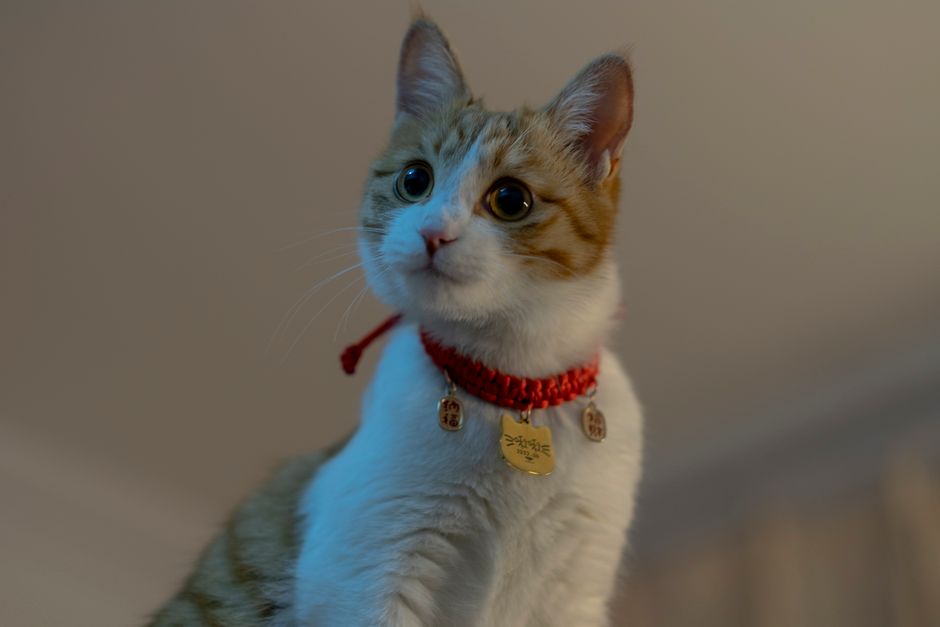
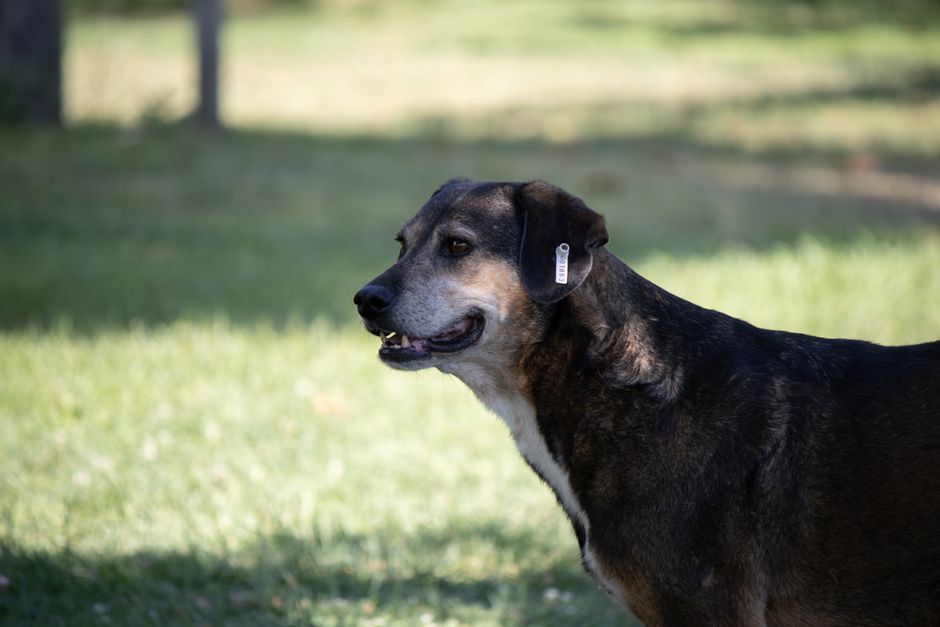
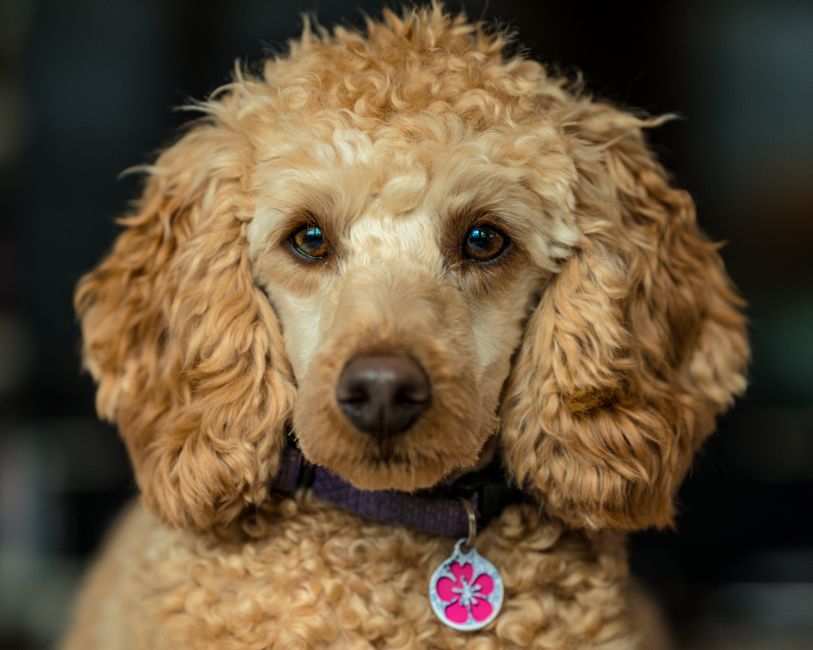
An engraved pet tag is more than just an accessory; it’s a lifeline. When a lost pet is found, the first thing a Good Samaritan or animal control officer will look for is an ID tag. According to the American Veterinary Medical Association, only about 15% of dogs and 2% of cats without ID tags are reunited with their owners. Contrast that with pets wearing identification: reunion rates jump to over 50% for dogs and 38% for cats. That simple engraving can make the difference between a happy ending and a heartbreak.
The reason engraved tags are so effective is their immediate accessibility. No smartphone, no scanning, no battery—just lift the tag and read the details. This low-tech reliability is why even the most tech-savvy pet parents still keep a durable engraved pet tag on their pet’s collar. It serves as a universal backup, especially in situations where a finder may not have a QR code reader or internet access. Moreover, many countries and municipalities require by law that dogs wear an ID tag with their owner’s contact information when in public spaces.
Beyond legality, an engraved tag provides a sense of security that can’t be replaced by pure digital solutions. When you see your pet’s name and your phone number etched into stainless steel or brass, you feel a tangible connection to their safety. It’s a physical reminder that you’ve taken that first step to protect them. And while some people worry about the potential for theft or prank calls, the overwhelming evidence shows that engraved tags overwhelmingly lead to happy reunions. They are the foundation of any responsible pet ownership plan.
Traditional Tags vs. Modern Solutions: What You Need to Know
The market for pet ID tags has evolved dramatically over the past decade. You’ll find everything from basic stamped metal tags to glowing LED collars and GPS trackers. But the engraved pet tag remains the most common choice because of its simplicity. Traditional tags are typically made from stainless steel, brass, anodized aluminum, or plastic. They are engraved using a laser or rotary tool, creating permanent indentations that resist fading. However, not all engraved tags are created equal.
Modern solutions like QR code tags, Bluetooth trackers, and subscription-based GPS devices offer additional layers of security. A QR code tag allows a finder to scan the code with their smartphone camera and instantly see your pet’s profile, including medical details, alternative contact numbers, and even a map of your home address (if you choose to share it). Unlike a static engraved plate, a QR code can be updated instantly via a web dashboard—no need to buy a new tag when you move or change phone numbers.
The trade-off is that QR code tags rely on the finder having a smartphone and internet connection. While smartphone adoption is high, it’s not universal. That’s why the smartest strategy is to combine both: a quality engraved pet tag with visible contact details, paired with a waterproof QR code tag like Pethna. This way, even if a finder cannot scan the QR code, they still have your phone number on the engraved side. And if they can scan, they get a full set of recovery tools. This hybrid approach maximizes your pet’s chance of coming home.
The Hidden Dangers of Standard Engraved Pet Tags
It’s easy to assume that any engraved tag will do the job, but several hidden dangers can undermine its effectiveness. First and foremost is wear and tear. Over time, the engraving on a tag can become shallow or even disappear due to friction against the collar, contact with rough surfaces (like concrete floors when your pet lies down), or exposure to water and chemicals. Many pet owners don’t realize that their pet’s tag is becoming illegible until it’s too late. A worn-down tag might look decorative but offers no functional identification.
Another hidden danger is the limited information space. A standard engraved pet tag typically holds only a pet’s name, owner’s first name, and one phone number. What happens if that phone number is unreachable? If you’re on a flight, in a meeting, or have changed your number, the tag becomes useless. Moreover, many tags omit medical information, alternative contacts, or a reward offer—all of which could encourage a finder to take action quickly.
Perhaps the most overlooked danger is the tag itself becoming a hazard. Metal tags can get caught in fence gaps, crate bars, or branches, leading to strangulation or injury. Even “silent” tags that claim to be quiet can still pose a risk. Pet owners should always choose a breakaway collar or ensure the tag is attached securely but not with a split ring that can catch on objects. Combining a traditional engraved tag with a lightweight, flat QR code tag (like Pethna’s) reduces the bulk and potential snagging, all while keeping critical info accessible.
15-day free trial — No commitment
All premium features unlocked. No credit card required. Protect your pet in 2 minutes.
Try free for 15 daysHow a QR Code Pet Tag Complements Your Engraved Information
Think of your engraved pet tag as the headline and your QR code tag as the article. The engraved side gives the urgent summary—your phone number and pet’s name. The QR code provides the full story: vet records, behavioral notes, alternate contacts, and even a lost/alert status. This complementary relationship is powerful. For example, if your pet has a medical condition like diabetes or epilepsy, the finder can read your number on the engraved tag and then scan the QR code to see instructions for emergency care.
Pethna’s waterproof QR code tags are designed to integrate seamlessly with an engraved pet tag. Our tags are thin, lightweight, and available in a range of colors and materials that match high-quality engraved tags. You can attach both to a single D-ring or use a two-tag setup. Because the QR code is etched into a waterproof surface, it won’t fade or peel even after swimming, rain, or multiple baths. And unlike some tags that require a separate app, Pethna uses a web-based directory that works with any smartphone camera—no app download required.
The biggest advantage of a QR code tag is updatability. You can change your phone number, add a temporary address while traveling, or update your pet’s photo in real time. If your engraved tag becomes outdated (e.g., you move), you don’t have to order a new one. You simply log into your Pethna account and edit the digital profile. This saves money and ensures your pet is always reachable. By pairing a permanent engraved tag with a dynamic QR tag, you get the best of both worlds: timeless reliability and modern flexibility.
Choosing the Best Engraved Pet Tag: Material, Durability, and Design
When shopping for an engraved pet tag, quality matters. The three most common materials are stainless steel, brass, and anodized aluminum. Stainless steel is the most durable—it resists rust, corrosion, and scratching. It’s also hypoallergenic, making it ideal for pets with sensitive skin. Brass tags offer a classic look and are easy to engrave deeply, but they can tarnish over time and cause green staining on your pet’s fur if not coated. Anodized aluminum is lightweight and available in many colors, but it is softer and can scratch off more easily. For long-term use, we recommend a heavy-gauge stainless steel tag with laser engraving.
The engraving method itself determines legibility. Laser engraving (or “laser etching”) removes a thin layer of the metal to reveal a contrasting surface. Rotary engraving physically cuts a groove into the metal. Both methods are long-lasting, but laser etching often produces sharper, more detailed lettering. Avoid tags with surface printing or stickers—they will fade in weeks.
Design considerations also include shape, size, and attachment style. Round and bone-shaped tags are classic, but rectangular tags offer more space for text. Ensure the tag is not so large that it becomes heavy or cumbersome for your pet. For small breeds and cats, stick to tags under one inch in diameter. Finally, always use a silent split ring or a rubber silencer to jangle reduction. Remember: the best engraved pet tag is one that your pet wears comfortably every single day, so it’s always ready to work when needed.
Frequently Asked Questions About Engraved Pet Tags
1. Will an engraved pet tag wear out over time?
Yes, even high-quality engraved tags can wear down after years of rubbing against collars, beds, and floors. The depth of engraving matters—deeper cuts last longer. Stainless steel with laser engraving is the most fade-resistant. To prolong the life of your tag, inspect it monthly and replace it if the text becomes hard to read. With Pethna’s QR code tag, your digital info never fades, but we still recommend maintaining a backup engraved tag.
2. Can I put my pet’s microchip number on an engraved tag?
Absolutely. Including your pet’s microchip number on the tag is an excellent idea. That way, even if a shelter scans for a chip, they already have the number on the tag—speeding up the process. However, microchip numbers are long (9-15 digits), so choose a tag size with enough room. Alternatively, place the microchip number in your Pethna QR profile and keep the engraved tag for shorter info like your phone number.
3. What if I move or change my phone number?
With a traditional engraved tag, you need to order a new one. With a QR code tag like Pethna, you simply log in and update your address and phone number instantly. This is one of the biggest reasons pet owners upgrade to a hybrid system. You still have the engraved tag as a static backup, but the QR code handles all changes.
4. Are engraved tags better than QR code tags alone?
Not necessarily. Each has strengths. An engraved tag works without technology, while a QR code tag offers unlimited data and updatability. The best solution is to use both: a durable engraved pet tag with your phone number, plus a Pethna waterproof QR code tag. That way, you cover every scenario.
Why Pethna Is the Ultimate Solution for Lost Pet Recovery
After exploring the benefits and limitations of traditional engraved pet tags, it’s clear that no single method is foolproof. But Pethna comes closest to eliminating the gaps. Our waterproof QR code tags are built to withstand years of outdoor adventures—from swimming in lakes to rolling in mud. The QR code is laser-etched into a durable, rust-proof surface that won’t fade or delaminate. And because we don’t require a proprietary app, any smartphone user can help reunite you with your pet.
What sets Pethna apart is our commitment to a complete safety ecosystem. When you purchase a Pethna tag, you gain access to a personal pet profile that goes far beyond a phone number. You can upload multiple photos, list medical conditions, include behavioral notes (e.g., “scared of loud noises”), set a reward amount, and even add an unlimited number of emergency contacts. If your pet goes missing, you can instantly mark them as “lost” in your dashboard, which triggers a notification to any scanner that the animal is missing. Our community database also alerts nearby Pethna users.
Combine this with a traditional engraved pet tag for immediate contact info, and you have an unstoppable duo. Pethna tags are designed to hang alongside your engraved tag without adding bulk. Our sleek, flat design reduces snagging risk and is comfortable even for small cats. And because we prioritize privacy, your address is never displayed on the tag itself—only through the QR code after a verified scan.
In short, Pethna empowers pet owners to move beyond outdated methods while honoring the proven reliability of engraved tags. We don’t ask you to choose one or the other; we invite you to maximize your pet’s safety with a combination that works. Visit www.pethna.com today to order your waterproof QR code tag and take the first step toward never losing your best friend again.