The Ultimate Guide to Pet Collars and Tags: Why a Waterproof QR Code Tag Could Save Your Pet's Life
Discover everything you need to know about pet collars and tags, from materials to safety features. Learn why traditional tags fall short and how Pethna's waterproof QR code tags offer a smarter, more reliable way to reunite with your lost pet.
Introduction
Every pet owner knows the sinking feeling of a lost companion. According to the American Humane Association, one in three pets goes missing at some point in their life, and without proper identification, only about 15% of dogs and 2% of cats ever find their way home. That’s why pet collars and tags remain the most visible, immediately accessible form of identification. They are your pet’s first line of defence—a wearable lifeline that speaks for them when they cannot. But not all collars and tags are created equal. Traditional engraved metal tags fade, fall off, or get caught on fences. Even microchips require a scanner and a trip to a vet. In an era of instant connectivity, your pet deserves smarter protection. This comprehensive guide covers everything you need to know about pet collars and tags—materials, safety features, and the breakthrough technology of waterproof QR code tags. By the end, you’ll understand why upgrading to Pethna’s solution could be the single most important decision you make for your pet’s safety.
Why Pet Collars and Tags Are the First Line of Defense Against Pet Loss
Pet collars and tags serve an irreplaceable purpose: they provide immediate, visible identification to anyone who finds your pet. A microchip is vital, but only if the finder takes the animal to a veterinary clinic or shelter with a scanner. In contrast, a tag hanging from a collar gives instant access to your contact information—no special equipment needed. This speed can mean the difference between a safe reunion and a pet ending up in a crowded shelter.
Moreover, collars and tags communicate more than just your phone number. Many jurisdictions require dogs to wear rabies vaccination tags, and many cities have leash laws that mandate visible identification. By keeping a proper collar and ID tag on your pet at all times, you’re not only increasing the odds of recovery—you’re also complying with local regulations. In high-stress situations (escape during a storm, a gate left open, or a curious cat slipping out), the tag is the quickest way for a good Samaritan to help.
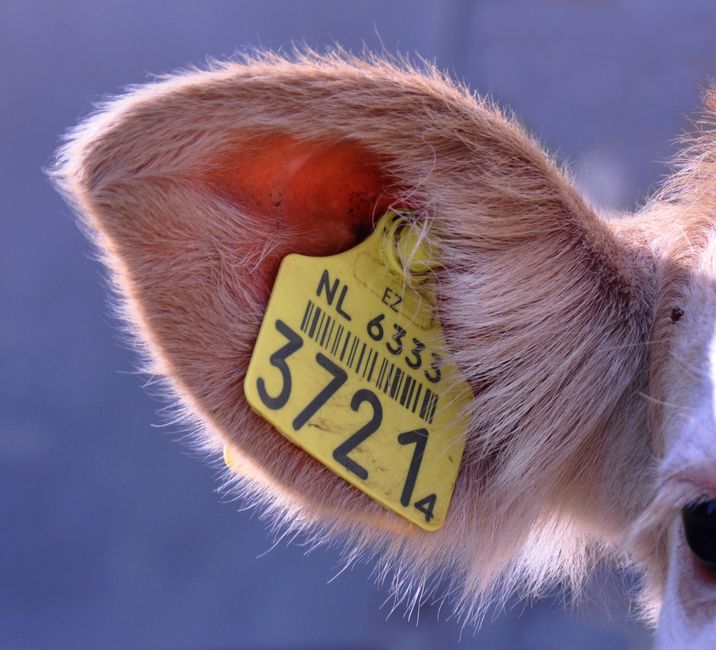
Despite their importance, many pet owners underestimate the risks of traditional tags. Engraved metal tags can become illegible after months of exposure to water, dirt, and scratches. They can jingle constantly, making them annoying for both pet and owner. Worse, they often fall off: the ring that attaches the tag to the collar can bend or break, leaving your pet entirely unidentified. This is why the combination of pet collars and tags must be chosen with care—not just any collar and tag will do.
Types of Pet Collars: Matching Material to Your Dog or Cat’s Lifestyle
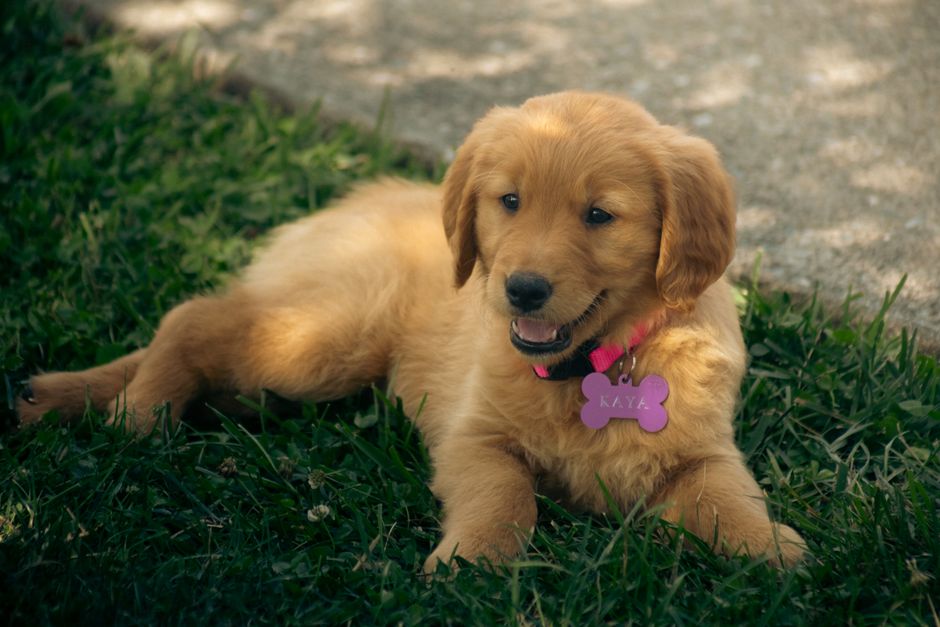
When we talk about pet collars and tags, the collar itself is the foundation. Choosing the right material ensures comfort, durability, and safety. The most common types include nylon webbing, leather, biothane, and breakaway collars for cats. Nylon collars are lightweight, inexpensive, and available in countless colors and patterns. They dry quickly and are machine-washable, making them ideal for active dogs who love to swim or play in mud. However, nylon can fray over time, especially with strong chewers.
Leather collars offer a classic look and exceptional durability. Properly conditioned leather is strong, comfortable, and conforms to the pet’s neck over time. But leather is not waterproof—prolonged exposure to water can cause it to rot or stretch. For pets that spend time in rain or near water, a biothane collar is superior. Biothane is a coated webbing with the look of leather and the durability of plastic. It’s waterproof, odor-resistant, and easy to clean. Many pet safety specialists recommend biothane for dogs who frequent beaches, lakes, or even just wet grass.
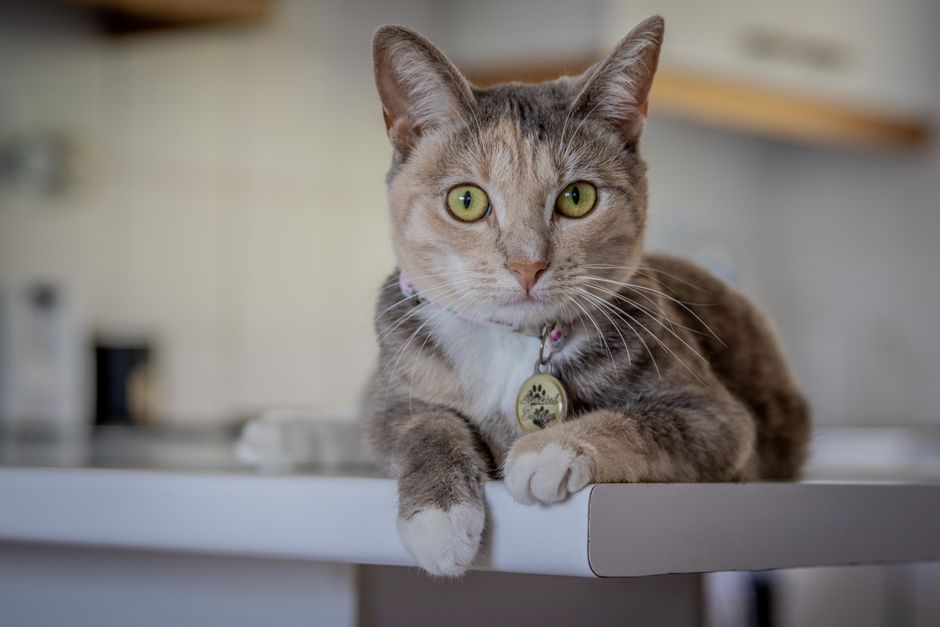
For cats, breakaway collars are non-negotiable. A breakaway collar has a buckle designed to snap open under pressure (about 5-10 pounds) to prevent strangulation if the collar gets caught on furniture or tree branches. While some owners worry that breakaway means lose, modern designs are secure enough for everyday wear yet release reliably in emergencies. Always pair a cat’s breakaway collar with a lightweight, non-dangling tag to minimize snagging risk. No matter the material, ensure you can fit two fingers snugly between the collar and your pet’s neck—too tight restricts breathing; too loose can slip over the head.
15-day free trial — No commitment
All premium features unlocked. No credit card required. Protect your pet in 2 minutes.
Try free for 15 daysTraditional ID Tags vs. Modern QR Code Tags: A Side-by-Side Comparison
Traditional pet tags are stamped or engraved with your phone number and sometimes your address. They are cheap, simple, and have been used for decades. But they have serious flaws. The engraving can wear off within months, especially if the tag is metal and rubs against the collar ring. The tag itself can become bent or scratched, making numbers unreadable. Furthermore, if you move or change your phone number, you must buy a new tag. And if your pet is lost after hours or in an area where people are hesitant to call a stranger, a simple number may not be enough.
Modern QR code tags, like those from Pethna, solve every one of these problems. These tags feature a durable QR code printed (or laser-etched) onto a waterproof material. When scanned with any smartphone camera, the QR code opens a private, secure webpage that displays your pet’s profile—including multiple phone numbers, medical needs, and even a note for the finder. There’s no engraving to fade because the code is stored digitally. If you move or change numbers, you simply update the online profile; the physical tag remains the same. Additionally, you can track how many times the code has been scanned, giving you peace of mind.
Another major advantage: QR code tags can include emergency instructions. For example, if your pet has a medical condition (like diabetes or epilepsy), you can provide first-aid guidance directly to the finder. Traditional tags can’t convey that level of detail. Plus, QR tags are typically much smaller and quieter than dangling metal tags—less jingling, less annoyance. In terms of reliability, a high-quality waterproof QR tag from a reputable brand like Pethna can last years without degradation, outlasting any engraved metal tag.
Safety First: Breakaway Collars, Reflective Strips, and Tag Durability
Pet collars and tags must prioritize safety over aesthetics or cost. One crucial feature is the breakaway buckle for cats, as mentioned. But for dogs, especially those who play rough or are left unattended, consider a quick-release buckle that can snap open under extreme tension—though most owners prefer a standard buckle for strength. Another important safety element is reflectivity. Reflective stitching or strips on collars make your pet visible at night to drivers, cyclists, and other pedestrians. This is especially vital if your dog walks on the road or in low-light conditions.
The tag itself should be made from a material that won’t break, crack, or fade. Traditional aluminum tags are lightweight but can be bent and are prone to corrosion. Stainless steel is stronger but heavier. Plastic tags can crack under pressure or in cold weather. Pethna’s waterproof QR code tags use a specially bonded polymer that resists UV light, water, and impact. They are designed to stay attached to the collar with a sturdy split ring or a snap-on loop that doesn’t open accidentally.
Also consider noise. Many pet owners hate the constant jingle of metal tags. Some pets are bothered by it too—especially cats and nervous dogs. A silent tag, like a QR code tag that sits flat against the collar (no dangling), eliminates that problem. If you do use a dangling tag, you can buy a silicone tag silencer that wraps around the tag to muffle sound. But the safest and most comfortable option is a slim QR tag that attaches directly to the collar strap. This reduces the risk of snagging on objects and ensures the tag stays in place during high activity.
How to Choose the Perfect Pet Collar and Tag Combination for Your Pet
Selecting the ideal pet collars and tags involves more than just picking a color. Start by measuring your pet’s neck. For dogs, measure around the base of the neck where the collar will sit; add two inches for comfort. For cats, measure and then choose a breakaway collar of appropriate length. Once you have the size, think about the environment. If your dog swims, plays in water, or lives in a humid climate, opt for a waterproof, quick-drying material like biothane or nylon webbing with a rust-proof buckle. Leather is best for indoor or city dogs who rarely get wet.
Next, choose the tag. You want something that will never become unreadable. Engraved metal tags are cheap but require replacement every few months. Why not invest in a one-time purchase that lasts? A high-quality QR code tag from Pethna is printed with UV-resistant ink and is completely waterproof. Plus, it offers the ability to update contact information instantly without buying a new tag. This is especially valuable for those who travel, rent apartments, or have multiple pets.
Finally, consider the attachment method. Split rings are standard but can weaken over time. Some collars have a dedicated metal loop for the tag. For the most secure hold, use a tag that clips directly onto the collar’s D-ring with a snap. Pethna’s tags come with a sturdy, stainless steel ring that is tested to hold up to vigorous play. Ensure the tag is not too heavy for your pet’s size. A tiny kitten should not wear a large metal tag—it can strain the neck. Lightweight QR tags are perfect for small breeds and cats. By matching the collar material, type of tag, and attachment method to your pet’s lifestyle, you create a reliable identification system that could save their life.
Frequently Asked Questions About Pet Collars and Tags
Q1: Can a QR code tag replace a microchip?
No. Microchips and QR code tags complement each other. A microchip is a permanent ID implanted under the skin, requiring a vet scanner to read. A QR tag is visible immediately and can be read by any smartphone. For maximum safety, use both. If the tag falls off, the microchip is a backup. If the finder has a phone, they can scan the QR code instantly. They work hand in hand.
Q2: How do I update my pet’s information on a QR code tag?
With Pethna, updating is simple. You log into your secure online dashboard, edit your pet’s profile (add new phone numbers, change address, note medical conditions), and the QR code immediately reflects the new information. No need to print or replace the tag. This is a massive advantage over traditional tags where you’d have to order a new one every time something changes.
Q3: Are QR code tags waterproof and durable?
Yes, when you choose a reputable brand like Pethna. Our tags are made from a special water-resistant polymer that can be submerged for hours without damage. The QR code is printed using industrial-grade ink that resists fading from sun and scratches. They are tested to withstand rough play, weather extremes, and even occasional chews (though we recommend keeping them out of your pet’s mouth). Most traditional metal tags will corrode or become illegible long before a quality QR tag degrades.
Q4: My cat wears a breakaway collar—will a QR tag work?
Absolutely. In fact, a lightweight, flat QR tag is ideal for breakaway collars because it doesn’t dangle and cause snagging. Pethna’s tags are small and sleek, designed to sit flush against the collar. Even if the collar breaks away, the tag stays attached. And if a good Samaritan finds your cat without a collar, they can still scan the tag if it’s nearby—though obviously the collar is the primary carrier. For cats, we recommend using a breakaway collar with a flat QR tag attached directly to the D-ring, not a dangling pendant.
Why Pethna is the Ultimate Solution for Pet Collars and Tags
After exploring the landscape of pet collars and tags, one fact becomes clear: traditional identification methods are outdated, unreliable, and often fail when you need them most. That’s where Pethna changes the game. Our waterproof QR code tags are engineered to solve every pain point pet owners face. First, they are truly waterproof—not just splash-resistant. Whether your pet leaps into a lake, gets caught in a rainstorm, or rolls in mud, the QR code remains scannable and legible. Second, they are silent and lightweight, meaning no more jingling through the house or heavy tags that bother small pets.
But the real magic lies in the digital profile. When someone scans your pet’s Pethna tag, they are taken to a private page that can display an infinite amount of information: your name, multiple phone numbers, your vet’s details, medical alerts (e.g., “Needs daily medication”), and even a “reward offered” note to encourage the finder. You can update this profile at any time from your phone or computer—no need to buy a new tag when you move. Additionally, you receive a real-time notification when your tag is scanned, giving you immediate awareness that someone has found your pet. This can shave hours off the search.
Pethna also prioritizes security. We don’t display personal information publicly on the tag. Only the QR code is visible, and the finder must scan it to access the profile. Your data is encrypted, and you control what appears. For pet owners who travel, foster, or have multiple pets, managing all tags from one dashboard is a breeze. And because our tags are built to last, you’ll never have to worry about replacing a faded, bent, or broken ID tag again. In short, Pethna offers the most advanced, reliable, and user-friendly solution for pet collars and tags on the market today. Upgrade today—because your pet deserves a tag that works as hard as you do to keep them safe.