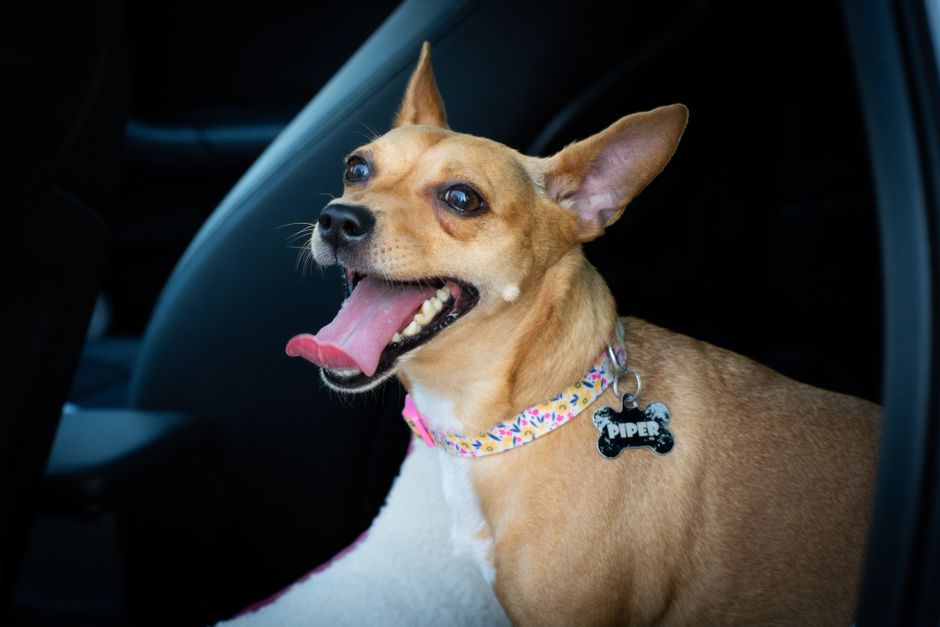
Beyond the Engraving: Why Pet ID Tags Engraved Are Still the Gold Standard for Safety
Discover why pet id tags engraved with critical data remain the most reliable first line of defense for lost pets. This comprehensive guide explores materials, design, and how modern technology like QR codes enhances traditional engraving for ultimate pet recovery.
Introduction: The First Call Home
Every pet owner knows that sinking feeling when a collar jingles and a furry head is nowhere in sight. In those panicked moments, the difference between a happy reunion and a tragic outcome often comes down to a single, small object: a pet ID tag. While microchips are invaluable for permanent identification, they require a specialized scanner and a visit to a vet or shelter. The humble, engraved tag, however, provides instant, visual information for anyone who finds your pet. This makes pet id tags engraved with critical contact details the absolute first line of defense in pet recovery. They are a universally understood symbol of ownership, a silent ambassador for your pet's safe return.
In an age of digital everything, some might question the relevance of a physical tag. Yet, the statistics tell a compelling story. A study by the American Veterinary Medical Association found that only about 2% of lost cats without ID tags are reunited with their owners, compared to a much higher percentage for those with tags. The engraved tag is immediate, requiring no batteries, no internet connection, and no special app to read. It's a low-tech solution to a high-stakes problem. However, not all tags are created equal. The market is flooded with flimsy options that fade, break, or become illegible, rendering them useless when they are needed most. This guide will explore the world of pet id tags engraved, from material science to modern innovations like QR codes, culminating in the ultimate solution offered by Pethna.
This comprehensive resource is designed for every responsible pet owner looking to upgrade their pet's safety gear. We will dissect the anatomy of a perfect tag, discuss the pros and cons of different engraving methods, and explain why combining a durable engraved tag with a digital profile is the most effective strategy for ensuring your beloved companion always finds a way home. Whether you have a curious indoor cat or an adventurous hiking dog, understanding the nuances of pet id tags engraved is a critical step in responsible pet ownership. Let's dive deep into the world of pet identification and discover how to make your pet's tag work harder for their safety.
The Lasting Importance of Pet ID Tags Engraved
In the complex ecosystem of pet identification, the engraved tag occupies a unique and irreplaceable position. Microchipping is mandatory for many reasons, but it is a passive form of ID. It waits to be discovered. A well-designed pet id tags engraved with a phone number is active identification. It announces itself. When a Good Samaritan finds a scared dog or a lost cat, the first thing they do is look for a tag. The engraved text is a direct line to the owner, bypassing the need for any intermediate technology or professional assistance. This immediacy is the tag's greatest superpower and the reason it remains the most effective recovery tool for lost pets.
The psychological comfort for a pet owner cannot be overstated. When your pet goes missing, the feeling of helplessness is overwhelming. Knowing that they are wearing high-quality pet id tags engraved with clear, durable information provides a tangible layer of security. It transforms any person who finds your pet into a potential hero with a direct mission: call this number. This simplicity is its genius. It doesn't require the finder to know your pet's name, understand a complex system, or have a smartphone. It simply requires them to read and dial. In a crisis, reducing the number of steps between finding and reuniting is everything.
However, the effectiveness of a tag is entirely dependent on its legibility. This is where the quality of the tag and the engraving process becomes paramount. Cheaply printed tags can wear off in a matter of months, leaving a blank, useless piece of metal dangling from your pet's collar. The term "engraved" is critical. True engraving physically removes material to create a deep, lasting impression. It is not a surface-level application of ink or a laser burn that can fade. For a tag to be a reliable safety device, it must be crafted to withstand years of scratching, rolling, and exposure to the elements. The best pet id tags engraved use deep rotary or high-quality laser engraving to ensure the text is readable for the life of the tag.
Furthermore, the tag serves as a public declaration of care. A pet wearing a sturdy, legible tag tells the world that this animal is loved and has a home. It encourages people to take action. Without a tag, a wandering pet can easily be mistaken for a stray or a community cat that feeds on the block. With a clearly engraved tag, the animal is immediately identified as someone's lost family member, triggering an entirely different, more proactive response from the public. This social signal is an underappreciated but vital component of why pet id tags engraved are a non-negotiable piece of equipment for any pet that ventures outside, even for a moment.
Decoding Materials: What Makes a Truly Durable Engraved Tag?
Not all metals are created equal when it comes to crafting the perfect pet id tags engraved. The choice of material directly impacts the tag's weight, durability, resistance to corrosion, and how well it holds an engraving. Stainless steel is the gold standard for many pet safety experts. It is exceptionally strong, highly resistant to rust and tarnish, and non-allergenic for most pets. The hardness of stainless steel creates a very crisp, clean engraving that will not wear down easily. However, it can be slightly heavier and noisier than other options, which is a consideration for small cats or very active dogs.
Aluminum is a popular alternative, prized for being lightweight and affordable. It is much softer than stainless steel, making it easy to engrave even with basic machines. However, this softness is also its greatest weakness. Aluminum tags are prone to scratching, dents, and the engraving can wear down or fill with dirt over time. More importantly, aluminum can corrode quickly when exposed to saltwater, chemicals in lawn fertilizers, or even the sweat and oils on your pet's fur. A worn or corroded aluminum tag becomes illegible, defeating its entire purpose. While they are a cheap option, aluminum pet id tags engraved often need to be replaced frequently to remain effective.
Brass is a classic material that offers a distinct vintage look and excellent durability. It is harder than aluminum but softer than stainless steel. Brass tags can be engraved deeply and hold up well over time. However, brass contains copper, which will oxidize and tarnish, developing a patina. While this can be aesthetically pleasing, a heavily tarnished tag can make the engraved text harder to read, especially from a distance. For owners seeking a balance between durability and a traditional aesthetic, brass is a solid option, provided the owner is willing to occasionally polish it to maintain optimal legibility.
Beyond the base metal, the protective coating is crucial. Some manufacturers add a layer of epoxy or a clear coat to protect the engraving and the metal surface. While this can help with legibility, these coatings can chip, peel, or yellow over time. A superior approach is to use a material that inherently needs no coating, like high-grade stainless steel. The Pethna tag, for example, is crafted from premium materials designed for a lifetime of rugged use. When evaluating pet id tags engraved, look for deep, permanent engravings on a corrosion-resistant base. The question isn't just "is it engraved?" but "how well is it engraved, and on what material?" The answer determines whether a finder can read the phone number in two years or whether the tag becomes a silent, useless ornament.
15-day free trial — No commitment
All premium features unlocked. No credit card required. Protect your pet in 2 minutes.
Try free for 15 daysWhat Information Belongs on Your Pet ID Tags Engraved?
The primary purpose of a tag is to facilitate a quick reunion, making the choice of information a critical decision. The single most important element is a phone number where you can be reached immediately. A mobile phone number is almost always preferable to a landline. You should also consider adding an alternate number, such as a spouse's or a trusted neighbor's, in case you are unreachable. Avoid vanity numbers or numbers that are difficult to read. The cleaner and larger the font, the easier it is for a potentially nervous finder to dial correctly. The core of effective pet id tags engraved is clear, actionable contact information.
The decision to include your pet's name is a debated one. Some experts argue that an engraved name helps a finder call the pet with familiarity, putting them at ease. Others worry that it can be a liability if a person with malicious intent tries to claim the pet as their own by using its name. As a general rule, for dogs, including a first name is common and often recommended. For cats, which are more often mistaken for strays, skipping the name and using just "REWARD" or "I AM LOST" followed by your phone number can be highly effective. Ultimately, the choice is personal, but the phone number must take priority over any other text.
Your address can be helpful but is often a less practical use of limited space. In our highly mobile society, people move homes, and an engraved address becomes outdated the moment you relocate. Furthermore, a street address takes up significant space on the tag, which could be used for a larger, more readable phone number. Instead of a full address, consider engraving your city and state. This gives a finder context about where the pet might have wandered from without cluttering the tag. A more modern and efficient approach is to use "CALL [PHONE NUMBER] – MICROCHIP # [LAST 4 DIGITS]" to connect the tag to a more permanent source of ID.
If you have a pet with specific medical needs, such as diabetes, epilepsy, or severe allergies, you must include a medical alert. Engraving "MEDICAL ALERT" or "NEEDS MEDICATION" on the tag can be a lifesaver. A finder or veterinarian will be immediately aware that the pet has special requirements. For pets on daily medication, adding a phrase like "RX: [MEDICATION NAME]" can be critical. The key is prioritization. You have a very small canvas on pet id tags engraved. The hierarchy should be: 1) Emergency phone number, 2) Medical alerts (if applicable), 3) Pet name or reward offer, 4) City/State or simple digital profile link (like "PETHNA.COM/ID").
The Pitfalls of Pet ID Tags Engraved That Every Owner Should Know
Even the best pet id tags engraved have limitations that owners must understand to ensure maximum safety. The most common and frustrating issue is wear and tear. As discussed, a tag made from low-grade materials will inevitably fade. A laser-engraved tag that is not deep enough or a printed tag will become illegible within months. The constant friction against the dog's chest or the cat's neck, combined with exposure to water, mud, and sun, is a relentless assault. Owners must inspect their pet's tag regularly—at least once a month—to ensure the engraving is still crisp and readable. If you can't read it easily from arm's length, neither can a stranger.
Another critical pitfall is the tag itself becoming a hazard. Traditional tags are often made of heavy metal and hang from noisy split rings. For an active dog, this can be a source of annoyance. For a cat, the jingling can be stressful and can alert prey to their presence. More seriously, there is a risk of the tag getting caught in a fence, a heat vent, a deck board, or even another dog's collar. A tag that gets snagged can panic a pet and potentially lead to injury or strangulation. While rare, this is a serious concern that has led many owners to seek out quieter, more streamlined solutions. The breakaway collar is a safety feature, but a trapped tag on a non-breakaway collar is a distinct danger.
The "one-size-fits-all" approach is another flaw in many conventional tags. A large, heavy dog tag is inappropriate for a 6-pound Chihuahua or a skinny cat. It can weigh them down and cause neck strain. Conversely, a tiny, lightweight tag on a large dog might be too small to read or could be easily broken. The industry often fails to match the physical properties of the tag to the size and species of the pet. A tag that is too big or too small is either a burden or a weak link in the safety chain. The ideal tag should be proportional to the pet, quiet, and securely attached but not a snagging hazard.
Finally, the greatest pitfall of a traditional pet id tags engraved is its static nature. If you change your phone number, move houses, or get a new emergency contact, you have to buy an entirely new tag. This is inconvenient and expensive, leading many owners to procrastinate on updating the information. A lost pet with an old phone number on their tag is just as lost as a pet with no tag at all. This fundamental limitation is the driving force behind the evolution of pet ID tags, moving from purely static engraved plates to dynamic, updatable digital profiles linked by a durable code. The physical tag remains essential, but its role is being redefined by smart technology.
Bridging the Physical and Digital: The Role of QR Codes
The evolution of pet id tags engraved has taken a significant leap forward with the integration of QR codes. A QR code on a pet tag is not a replacement for engraved text; it is a powerful complement. While the engraved phone number provides the immediate call-to-action, the QR code acts as a gateway to a rich, multi-layered digital profile. When a finder scans the code with their smartphone camera—a feature native to most modern phones—they are instantly directed to a secure web page containing everything they need to know to help the pet. This includes your full contact details, medical information, vet information, and even behavioral notes.
This digital layer solves the biggest problem of static tags: updatability. With a QR code tag, you never need to order a new tag if you move or change your number. You simply log into your account on a service like Pethna and update your information in real-time. This ensures that the tag on your pet's collar is always current, providing constant, accurate protection. This feature alone revolutionizes pet safety. It removes the friction of reordering and the risk of outdated information. It makes pet id tags engraved a living, breathing part of your pet's safety net, constantly adapting to your life.
Furthermore, a digital profile can store information that would never fit on a physical tag. It can include a list of all known allergies, your preferred veterinarian's contact information, a description of any scars or unique markings, and even a recent photo of your pet. This information is invaluable for a finder who takes the pet to a vet or shelter. It immediately establishes the pet's identity and medical history. The QR code also allows for geolocation tracking. When a finder scans the tag, Pethna can record the location, sending you an instant alert with the exact spot where your pet was found, giving you a critical starting point for your search.
The best modern solutions, like the Pethna tag, do not sacrifice the traditional benefits of engraving. They combine a clear, deep engraving of the most critical information (like a phone number) with a durable, waterproof QR code. This ensures that even a person without a smartphone, or in an area with no cell service, can still use the engraved number to call. The QR code provides a richer, more dynamic backup that can engage a tech-savvy finder. This hybrid approach—the resilience of pet id tags engraved with the intelligence of a digital profile—offers the most comprehensive and reliable pet recovery system available today.
Installation and Maintenance Tips for Long-Lasting Tags
Once you have invested in high-quality pet id tags engraved, proper installation and maintenance are essential to ensure they last. The first step is choosing the right attachment system. The classic split ring is ubiquitous, but it can be difficult to open and can catch on things. A better option is a rubber or silicone silencer that wraps around the tag and the collar, minimizing noise and reducing the risk of snagging. For the Pethna tag, the design is streamlined to minimize bulk while maintaining a secure hold. Ensure the tag is attached to a sturdy, well-fitting collar, not a flimsy one that could snap.
For cat owners, safety is paramount. The collar itself should have a breakaway feature. Never attach a non-breakaway tag to a breakaway collar; the tag can act as an anchor, preventing the collar from breaking open if the cat gets caught. The best practice for cats is to use a collar specifically designed to break away with the tag attached. Alternatively, some owners use a safety elastic or a magnetic buckle. When installing pet id tags engraved, consider the pet's lifestyle. An outdoor cat might benefit from a tag with a reflective surface or one that is designed to be ultra-quiet.
Regular inspection is non-negotiable. Once a month, remove the tag and examine it closely. Run your fingernail over the engraved letters. Do they feel deep and sharp, or are they smooth and shallow? Check the edges of the tag for any sharp burrs that could scratch your pet. Look at the attachment ring or loop. Is it showing signs of wear or rust? A worn ring is a ticking time bomb that could lead to your tag falling off unnoticed. This is especially critical for pets that swim or play in water frequently. The tag itself is waterproof, but the attachment hardware can degrade.
Cleaning your pet's tag is also important for maintaining legibility. A simple wipe with a damp cloth can remove dirt and grime that obscures the engraving. For deeper cleaning, use a mild soap and water solution. Avoid harsh chemicals or abrasive cleaners, which can damage the tag's finish. If you have a brass tag and you want to maintain a shiny appearance, a specialized brass polish can be used sparingly, but be careful not to get it on the collar. The key takeaway is this: a tag is only effective if it is physically present, securely attached, and clearly readable. A few minutes of maintenance each month can be the difference between a tag that works and a silent, dangerous failure in your pet's safety system.
Frequently Asked Questions About Pet ID Tags Engraved
1. Are pet id tags engraved better than printed tags?
Yes, significantly. Printed tags use ink or paint that sits on top of the metal surface. This is prone to scratching, fading in the sun, and washing away with water. Engraving physically cuts into the material, creating a permanent, deep impression that is much more resistant to wear. While laser engraving can be very precise, it can sometimes be shallow. Deep rotary engraving is considered the most durable method. For true longevity and reliability, an engraved tag is always superior to a printed one.
2. Can I put my dog's name on an engraved tag?
You can, and it is a common practice for many dog owners. It can help a finder gain the dog's trust by calling its name. However, there is a counter-argument that it can help a dishonest person claim the dog as their own. There is no right or wrong answer, but prioritizing a phone number is always the most critical step. If space is limited, the number is more important than the name. For cats, it is often preferred to omit the name and have "I AM LOST" or "REWARD" engraved instead.
3. How often should I replace my pet's engraved ID tag?
You should replace it if the engraving becomes difficult to read, if the tag is damaged or bent, or if the attachment ring is worn. Many owners replace them every 1-2 years as a preventative measure, especially for inexpensive aluminum tags. For high-quality stainless steel tags like those from Pethna, the tag itself will last for years, but you should still monitor the attachment point. The most common reason to "replace" a tag is a change in your contact information, which is why an updatable QR code tag is such a valuable investment.
4. What is the best size for a pet ID tag?
There is no single "best" size, as it depends on the size and species of your pet. For a cat or a small dog (under 15 lbs), a tag that is roughly 1 inch in diameter or smaller is ideal to avoid being a burden. For medium and large dogs, a tag between 1 and 1.5 inches is standard. The most important rule is that it must be large enough to comfortably read the engraved text from a short distance. Prioritize readability over aesthetics. A tag that is too small to be read is a safety hazard, regardless of how cute it looks.
Why Pethna is the Ultimate Solution for Modern Pet ID
At Pethna, we have moved beyond the limitations of traditional pet id tags engraved to create a complete safety system for your pet. We understand the profound peace of mind that a durable, reliable tag provides, and we have engineered our tag to be the last one you will ever need to buy. Our tags are crafted from premium, military-grade materials that are built to withstand the most demanding conditions. The deep, permanent engraving ensures that your phone number is always visible, forming the immediate, fail-safe contact method that has saved pets for generations. We solved the durability problem first.
But we didn't stop there. The true power of a Pethna tag lies in its synergy with a dynamic digital profile. Each tag features a waterproof, scannable QR code that connects finders to a comprehensive profile you control. Moving house? Changing your phone number? Updating your pet's medical information is instant and free. This eliminates the single greatest risk of static tags: outdated information. With Pethna, your tag is always current. Your Pethna profile acts as a central hub for all your pet's critical data, accessible from any smartphone.
The Pethna profile also offers advanced recovery features. When a finder scans the tag, we provide a location-based alert, sending you the exact GPS coordinates of where your pet was found. This can be the difference between searching for hours and a rapid reunion. Our platform is designed for speed, simplicity, and security. We understand that in a crisis, every second counts. Every element of the Pethna system is optimized for the fastest possible recovery, from the clear legibility of the engraving to the instant access to your full profile via our QR code.
Choosing Pethna is choosing the gold standard in pet identification. We provide the enduring security of premium pet id tags engraved with the intelligence and flexibility of modern digital technology. It is the most comprehensive, reliable, and user-friendly system on the market. For every owner who has ever feared that their tag might fade, their number might change, or their pet might be lost without a clear path home, Pethna is the answer. It is not just a tag; it is a lifeline. Equip your pet with the protection they deserve. Visit www.pethna.com today to build their profile and secure their safe return.

