The Ultimate Guide to Pet Identity Tags: Why QR Code Tags Are the Future of Pet Safety
Discover why modern pet identity tags are essential for every pet owner. Learn how waterproof QR code tags from Pethna can dramatically increase the chances of reuniting with your lost pet.
Introduction
Every pet owner knows the sinking feeling of a moment’s distraction—a gate left ajar, a leash slipped, a door opened too quickly. In that instant, your beloved companion can vanish into the neighborhood, leaving you frantic and helpless. According to the American Humane Association, one in three pets will go missing at some point in their lifetime, and without proper identification, only about 15% of lost dogs and 2% of lost cats ever find their way home. That’s a staggering statistic that underscores a simple truth: pet identity tags are not optional accessories—they are life-saving tools. But not all tags are created equal. Traditional engraved metal tags fade, get lost, or become unreadable over time. Enter the modern solution: waterproof QR code pet identity tags. These smart tags combine durable materials with digital technology to provide a dynamic, always-up-to-date link between your pet and their home. In this comprehensive guide, we’ll explore everything you need to know about pet identity tags—from their history and evolution to the cutting-edge features that make QR code tags the gold standard for pet recovery. Whether you’re a first-time pet parent or a seasoned owner, understanding the power of a well-designed identity tag could be the difference between a temporary scare and a permanent loss.
Why Pet Identity Tags Are Non-Negotiable for Every Pet Owner
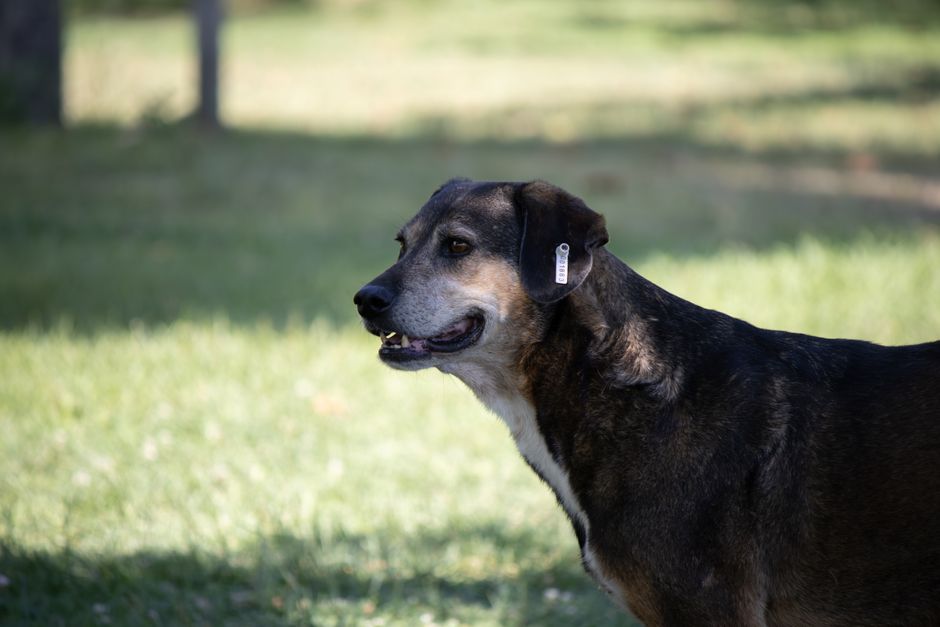
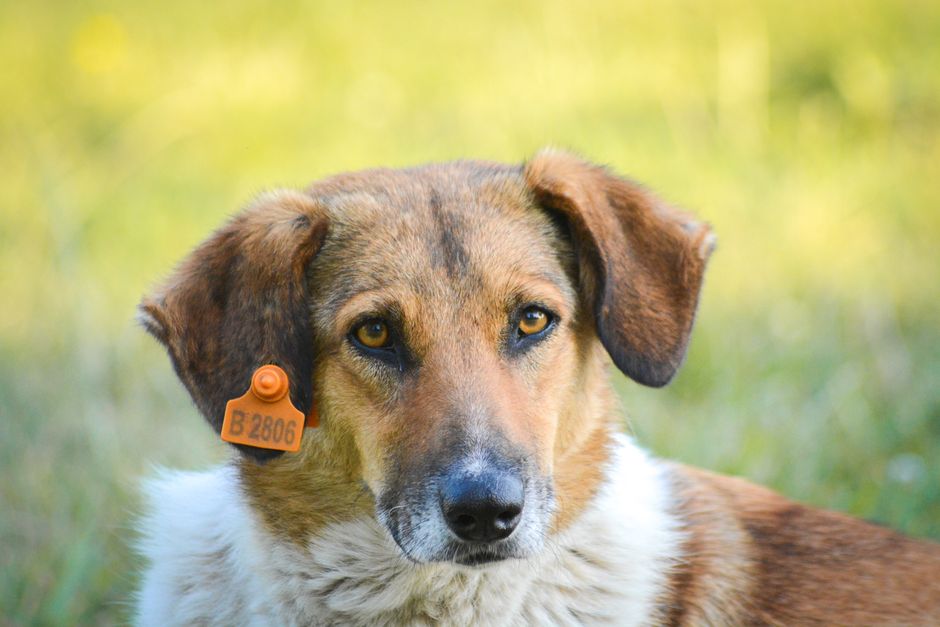
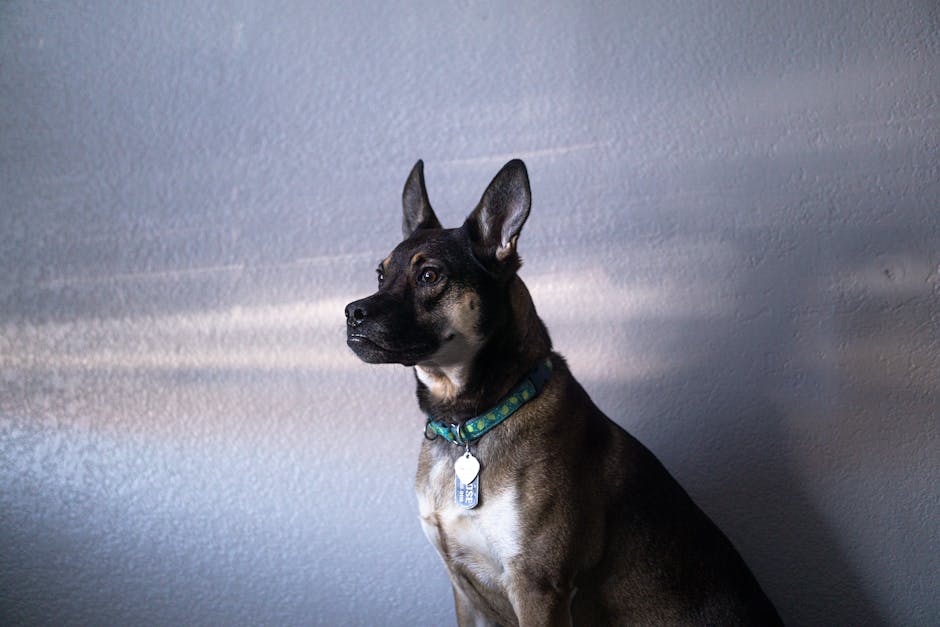
Pet identity tags serve as your pet’s primary form of identification when they are away from home. Unlike microchips, which require a scanner and a trip to a veterinary clinic, a visible tag on a collar provides immediate information to anyone who finds your pet. This instant accessibility is crucial because the first few hours after a pet goes missing are the most critical. Studies show that pets found within the first 12 hours have a significantly higher chance of being reunited with their owners. A clear, readable pet identity tag can turn a stranger into a Good Samaritan who can call you directly, bypassing the need for shelters, social media posts, or luck.
Moreover, pet identity tags are legally required in many jurisdictions. Cities and counties across the United States, Canada, the UK, and Australia mandate that dogs wear tags displaying the owner’s contact information. Failure to comply can result in fines, impoundment fees, or even legal liability if your pet causes an incident. Even in areas without strict laws, having a tag is a sign of responsible pet ownership. It shows that you care enough to prepare for the unexpected. For cats, who are often allowed outdoors or may escape through open windows, a collar with a tag is equally important—though many owners worry about safety. Breakaway collars with lightweight tags solve that concern, making it possible for even the most adventurous felines to carry identification.
Beyond legal and safety reasons, pet identity tags provide peace of mind. When you walk your dog, travel with your pet, or leave them with a pet sitter, you know that a simple glance at their collar can reunite you if something goes wrong. This is especially vital for pets with medical conditions, allergies, or behavioral issues. A tag can include critical notes like “Diabetic” or “Needs medication,” alerting finders to handle the animal with care. In an emergency, those few words can save a life. Ultimately, a pet identity tag is the cheapest, most effective insurance policy you can buy for your furry family member. And with modern technology, that insurance has never been more powerful.
The Evolution of Pet Identification: From Collar Tags to QR Code Technology
Pet identification has come a long way since the days of simple leather collars with hand-stamped metal discs. In the early 20th century, dog tags were primarily used for military and working dogs, but by the 1950s, commercial pet tags became widely available. These early tags were made of brass or aluminum, engraved with the owner’s name and address. They were durable but had significant limitations: the engraving could wear off, the tag could rust, and the information was static—if you moved or changed phone numbers, you had to buy a new tag. For decades, this was the only option.
The 1990s brought microchipping, a revolutionary leap forward. A tiny chip implanted under the skin could store a unique ID number linked to a database. However, microchips are not a replacement for pet identity tags. They require a specialized scanner, which not every finder has access to. Additionally, microchip databases are fragmented across different companies, and owners often forget to update their contact information. According to the American Veterinary Medical Association, nearly 40% of microchipped pets have outdated or incorrect owner details. This is where the humble tag still wins—it’s visible, immediate, and doesn’t rely on technology that may not be available.
The real game-changer arrived with the smartphone era. QR codes—those square barcodes you scan with your phone—began appearing on pet tags around 2015. These tags combine the best of both worlds: the physical visibility of a traditional tag with the dynamic, updatable nature of a digital database. When a finder scans the QR code on a pet identity tag, they are taken to a secure webpage that displays the pet’s name, owner’s contact information, medical notes, and even a photo. The owner can update this information instantly from their phone, without needing to replace the tag. Modern QR code tags are also laser-etched or printed on waterproof, scratch-resistant materials like stainless steel or silicone, ensuring they last for years. Pethna’s tags, for example, are made from 316L stainless steel with a UV-resistant coating, guaranteeing readability even after prolonged exposure to sun, rain, and rough play.
15-day free trial — No commitment
All premium features unlocked. No credit card required. Protect your pet in 2 minutes.
Try free for 15 daysWhat Makes a Great Pet Identity Tag? Key Features to Look For
Not all pet identity tags are built the same. When shopping for a tag, you need to consider several factors that affect durability, readability, and overall effectiveness. First and foremost is material. Traditional brass or aluminum tags can tarnish, corrode, or become illegible over time. Stainless steel is the gold standard because it resists rust, scratches, and fading. Look for tags that are laser-engraved rather than stamped—laser engraving creates deep, precise marks that won’t wear away. Pethna uses a high-power laser to etch information directly into the metal, ensuring that even after years of wear, the text remains crisp.
Another critical feature is waterproofing. Your pet will inevitably get wet—whether from rain, swimming, or a bath. A tag that isn’t waterproof can become unreadable due to moisture damage or rust. QR code tags are particularly vulnerable if the code is printed on a sticker or paper insert. Always choose a tag where the QR code is either laser-etched or embedded in a waterproof material. Pethna’s tags are fully submersible and have been tested in saltwater, chlorinated pools, and mud without any degradation.
Size and weight matter too. A tag that is too heavy can strain a small dog’s neck or cause a cat to avoid wearing a collar. Look for lightweight options that are still large enough to display a scannable QR code. Pethna offers tags in multiple sizes, with the smallest being just 0.8 inches in diameter—perfect for cats and toy breeds. Additionally, consider the attachment method. Split rings are standard, but some tags come with silent or rubberized rings that reduce jingling noise. For cats, breakaway collars with a tag slot are ideal. Finally, the most important feature is the backend service. A QR code tag is only as good as the database it links to. Ensure the provider offers a secure, easy-to-update profile that includes multiple phone numbers, email addresses, and even a secondary contact. Pethna’s platform allows you to add up to five emergency contacts and includes a lost pet alert system that notifies nearby users.
How QR Code Pet Identity Tags Work: A Step-by-Step Guide
Understanding how QR code pet identity tags function can help you appreciate their value and use them effectively. The process is remarkably simple, yet it leverages powerful technology. Here’s a step-by-step breakdown:
Step 1: Purchase and Activation. When you buy a QR code tag from a provider like Pethna, you receive a physical tag with a unique QR code etched onto it. You then activate the tag by creating an online profile on the provider’s website or app. This profile includes your pet’s name, your phone number, address, email, and any medical notes. You can also upload a recent photo of your pet. The QR code is linked directly to this profile.
Step 2: Attach the Tag to Your Pet’s Collar. Simply use the included split ring or attachment to secure the tag to your pet’s collar. Ensure the tag hangs freely so it can be easily seen and scanned. For cats, use a breakaway collar to prevent choking hazards. The tag is designed to withstand daily wear, including scratching, chewing, and exposure to the elements.
Step 3: A Finder Scans the QR Code. If your pet gets lost and someone finds them, they will notice the tag on the collar. Using any smartphone camera (most modern phones have built-in QR code readers), they simply point the camera at the code. A notification pops up, and with one tap, they are directed to your pet’s secure profile page. No app download is required—it works with any device.
Step 4: The Finder Contacts You. The profile page displays your contact information exactly as you entered it. The finder can call or text you directly. Some providers, including Pethna, also offer a “Report Found” button that sends you an instant notification with the finder’s location and a message. This two-way communication speeds up the reunion process dramatically.
Step 5: You Update Information Anytime. One of the biggest advantages of QR code tags is that you can change your contact details instantly. If you move, change your phone number, or add a new emergency contact, you simply log into your account and update the profile. The QR code on the tag remains the same—no need to buy a new tag. This dynamic feature ensures that your pet identity tag is always current, unlike traditional engraved tags that become obsolete with every life change.
The Hidden Dangers of Traditional Pet Tags (And How Modern Tags Solve Them)
Traditional pet identity tags have been around for decades, but they come with a host of hidden dangers that many owners overlook. The most obvious issue is wear and tear. Engraved metal tags can become scratched, faded, or bent, making the text unreadable. A tag that says “Fluffy” but has a worn-out phone number is essentially useless. Worse, some tags use adhesive stickers or printed paper inserts that can peel off or get soaked. If your pet loves water—or lives in a rainy climate—those tags can fail within weeks.
Another danger is the static nature of traditional tags. If you change your phone number or move, you must order a new tag. Many owners forget to do this, leaving outdated information on their pet’s collar. A lost pet with an old phone number may never be returned because the finder calls a disconnected line. According to a survey by the ASPCA, nearly 30% of lost pets with tags had incorrect contact details. This is a preventable tragedy.
Traditional tags also lack privacy. Your pet’s name and your full address are displayed for anyone to see. While this seems helpful, it can also be exploited. Unscrupulous individuals could use the information to impersonate you, claim your pet, or even target your home. QR code tags solve this by showing only a limited amount of information on the physical tag—often just a logo and the QR code. The finder must scan the code to access your contact details, which are stored securely and can be hidden behind a verification step if desired. Pethna offers an optional “verified finder” feature that requires the finder to enter their own phone number before seeing yours, adding an extra layer of security.
Finally, traditional tags can be noisy. The constant jingling of metal tags can annoy both you and your pet. Some pets even learn to associate the sound with negative experiences and may try to remove their collar. Modern QR code tags are often designed with silent attachments or rubberized rings that eliminate noise. Pethna’s tags come with a silicone silencer ring that dampens sound while keeping the tag securely attached. These small improvements make a big difference in your pet’s comfort and your peace of mind.
Beyond Identification: How Smart Tags Enhance Pet Safety and Community Recovery
QR code pet identity tags do more than just display a phone number—they create a connected safety network. When you use a smart tag from a provider like Pethna, you gain access to features that go far beyond basic identification. For example, Pethna’s platform includes a lost pet alert system. If your pet goes missing, you can instantly send a notification to all nearby Pethna users within a customizable radius. These users receive an alert with your pet’s photo and last known location, turning strangers into a search party. This community-driven approach has been shown to reduce recovery time by up to 70%.
Another powerful feature is the ability to store medical information. If your pet has a chronic condition, allergy, or requires daily medication, you can include that in their profile. A finder who scans the tag will see a note like “Needs insulin injection every 12 hours” or “Severe peanut allergy—do not feed.” This can be life-saving if your pet is found by someone who is not familiar with their needs. Additionally, you can upload multiple photos, including distinguishing marks, to help confirm identity.
Smart tags also enable geolocation tracking—not GPS, but a “last scanned” feature. Every time someone scans your pet’s QR code, the location is logged (with the finder’s permission). If your pet wanders, you can see a map of where they’ve been scanned. This is especially useful for indoor/outdoor cats or dogs that escape from a yard. You can also set up “safe zones” and receive alerts if your pet is scanned outside those areas. While not a real-time tracker, this feature provides valuable clues about your pet’s movements.
Finally, many QR tag services offer a “digital lost pet poster” generator. If your pet goes missing, you can create a shareable flyer with your pet’s photo, description, and a direct link to their profile. You can post this on social media, email it to neighbors, or print it out. The QR code on the tag itself can also be used to direct people to the poster. This integration of digital and physical tools makes modern pet identity tags a comprehensive safety system, not just a piece of metal.
Choosing the Right Pet Identity Tag: Material, Durability, and Design
With so many options on the market, selecting the best pet identity tag for your furry friend can feel overwhelming. To make an informed decision, focus on three pillars: material, durability, and design. Let’s break down each.
Material. The most common materials are stainless steel, aluminum, brass, and silicone. Stainless steel is the top choice for longevity—it’s corrosion-resistant, hypoallergenic, and extremely hard. Aluminum is lightweight but can scratch easily. Brass is classic but tarnishes and may cause skin reactions in sensitive pets. Silicone tags are flexible and quiet, but they can degrade under UV light and may not hold a laser-engraved QR code as precisely. Pethna uses 316L surgical-grade stainless steel, which is the same material used in medical implants. It’s virtually indestructible under normal pet wear.
Durability. Look for tags that are laser-engraved rather than stamped or printed. Laser engraving creates a permanent mark that cannot be rubbed off. The tag should also be waterproof—not just water-resistant. Test this by checking if the QR code is etched into the surface or applied as a sticker. Pethna’s tags are tested to withstand submersion in water for 30 days without any loss of readability. They are also scratch-resistant, so even if your pet drags their collar against concrete, the code remains scannable.
Design. Consider the shape, size, and attachment. Round tags are classic and less likely to snag, while bone-shaped tags are cute but can catch on branches. The tag should be large enough to display a clear QR code—typically at least 0.75 inches in diameter. For small pets, Pethna offers a mini tag that is only 0.6 inches but still features a high-density QR code that scans easily. The attachment ring should be sturdy; Pethna uses welded stainless steel split rings that won’t open accidentally. For cats, choose a breakaway collar with a tag slot, or use a silicone tag that attaches directly to the collar without dangling.
Finally, think about aesthetics. While function is paramount, you also want a tag that looks good. Pethna offers a range of colors and finishes, including matte black, rose gold, and brushed silver. You can even add a custom engraving on the back (e.g., “I’m microchipped” or “Reward if found”). A tag that you’re proud to put on your pet is more likely to stay on—and that’s the ultimate goal.
Frequently Asked Questions About Pet Identity Tags
1. Are QR code pet identity tags really waterproof?
Yes, but only if they are specifically designed to be waterproof. Many cheap QR tags use printed paper or stickers that will disintegrate when wet. High-quality tags like those from Pethna are made from solid stainless steel with laser-etched QR codes. The code is physically carved into the metal, so water, mud, snow, or even saltwater cannot damage it. Pethna’s tags have been tested in extreme conditions and remain fully scannable after prolonged submersion.
2. Can I update the information on a QR code tag after I buy it?
Absolutely. This is one of the biggest advantages over traditional engraved tags. With a QR code tag, you create an online profile that is linked to the unique code on the tag. You can log into your account anytime to change your phone number, address, medical notes, or even add a new photo. The physical tag never needs to be replaced. This is especially useful if you move, change your phone number, or adopt a new pet and want to reuse the tag.
3. Do I need a smartphone to use a QR code pet tag?
No, but it helps. The finder needs a smartphone with a camera to scan the QR code. However, most people today carry smartphones. If the finder does not have a smartphone, they can still read the tag if it has a phone number engraved on the back. Pethna’s tags include both a QR code and a laser-engraved phone number, ensuring that even non-smartphone users can contact you. This dual-identification approach covers all bases.
4. How do QR code tags compare to microchips?
They are complementary, not competing. A microchip is a permanent implant that requires a scanner to read—it’s a backup if the collar is lost. A QR code tag is visible and scannable by anyone with a phone. Together, they provide the best protection. However, many pet owners rely solely on microchips and forget to update the database. QR code tags make it easy to keep information current. For maximum safety, use both a microchip and a QR code pet identity tag.
Why Pethna Is the Ultimate Pet Identity Tag Solution
After exploring the landscape of pet identity tags, one name stands out for its commitment to quality, innovation, and pet safety: Pethna. Pethna’s waterproof QR code tags are engineered to solve every problem that traditional tags present. Made from 316L surgical-grade stainless steel, they are virtually indestructible. The laser-engraved QR code and phone number are permanent—no stickers, no fading, no rust. Each tag is rigorously tested to withstand extreme temperatures, UV exposure, and submersion in water for up to 30 days.
But Pethna goes beyond hardware. Their SaaS platform offers a robust, user-friendly dashboard where you can manage your pet’s profile, update contact details instantly, and even set up multiple emergency contacts. The lost pet alert system leverages a growing community of pet lovers who can help search when your pet goes missing. You also get access to real-time scan notifications, so you know immediately if someone has found your pet and where they are. Privacy is paramount: finders only see the information you choose to share, and you can enable two-factor verification for added security.
Pethna also understands that pets come in all shapes and sizes. They offer tags for dogs, cats, and even small animals like rabbits and ferrets. Their silent attachment rings eliminate jingling, and their breakaway collar compatibility ensures safety for cats. With a lifetime warranty on the tag and a 30-day money-back guarantee, Pethna stands behind their product. When you choose Pethna, you’re not just buying a tag—you’re investing in a comprehensive recovery system that gives you and your pet the best chance of a happy reunion. Don’t wait until your pet goes missing. Equip them with the ultimate pet identity tag today.