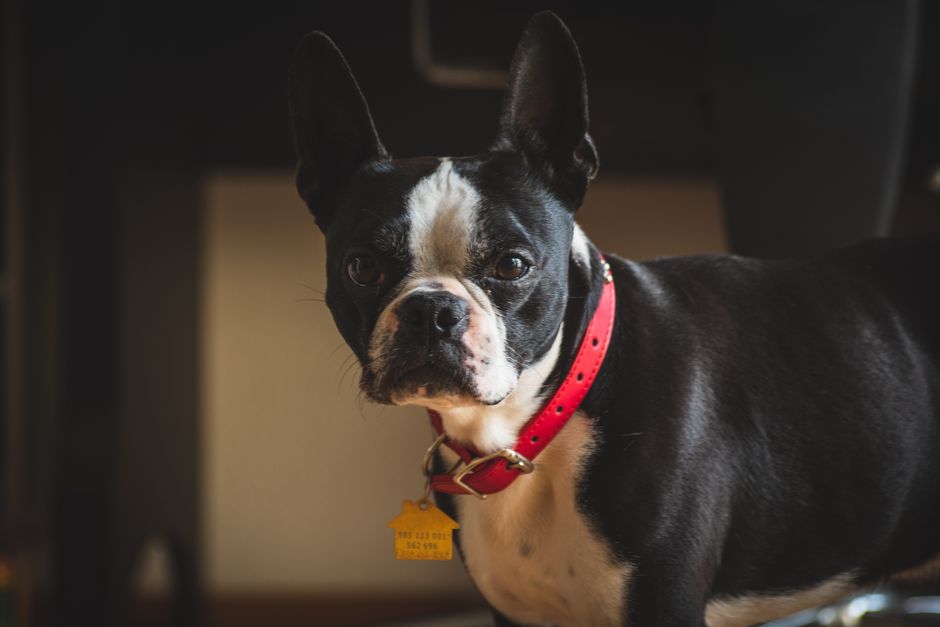
The Ultimate Guide to the Perfect Pet Tag: Why Your Dog or Cat Needs One Now
Discover everything you need to know about choosing the best pet tag for your dog or cat, including why waterproof QR code technology is the most reliable way to ensure a lost pet returns home safely.
Introduction
You love your pet more than anything. They are family. But in the chaos of a door being left open, a sudden thunderstorm, or a curious backyard escape, a pet can vanish in seconds. When that happens, your first line of defense is not a microchip (which requires a scanner), nor an Apple AirTag (which relies on a specific, limited network). The universal, instant, failsafe tool for every pet owner remains the humble pet tag. Yet, not all tags are created equal. The difference between a scratched-out metal disc and a sophisticated, modern ID can be the difference between a sleepless night and a joyful reunion. In this comprehensive guide, we will dissect every aspect of the modern pet tag, exploring materials, technology, and best practices to ensure your furry friend is always safe. We will also explain why the traditional engraved tag is rapidly being replaced by a smarter, more resilient solution: the waterproof QR code pet tag. Whether you are a first-time puppy parent or a seasoned cat owner, this is the only resource you will need to make an informed decision about the most important accessory your pet will ever wear.
Why Every Pet Needs a Pet Tag
It is a simple truth: accidents happen. Even the most diligent pet owner can experience a momentary lapse when a leash slips or a gate is left ajar. A lost pet is a terrifying scenario, but a pet tag dramatically increases the odds of a safe return. Unlike microchips, which require a visit to a vet or shelter for scanning, a pet tag offers immediate, visible identification to any person who finds your pet. It is a passive yet powerful communication tool that says, "I belong to someone, and here is how to help me."
The emotional toll of losing a pet is immense. The frantic searching, the posting of flyers, the sleepless nights waiting for a phone call. A well-designed pet tag can cut that nightmare short by hours, or even minutes. A finder does not need a scanner or an app. They see the tag, they read the information, and they act. This immediate accessibility is the primary reason why municipal animal control laws in many regions mandate that dogs wear identification tags in public spaces. It is not just a convenience; it is a legal and moral responsibility.
Furthermore, a pet tag serves as a public declaration of ownership. If your pet is found wandering, a clear tag can dissuade someone from keeping them, knowing that a family is looking for them. It establishes a connection between the animal and their home. In the chaos of an emergency, when your pet is scared and disoriented, the tag on their collar is the only lifeline they have. It is a small, inexpensive item that carries an enormous weight of responsibility.
Finally, the modern evolution of the pet tag has transformed it from a simple piece of metal into a dynamic data carrier. With QR code technology, a single tag can hold infinitely more information than engraving space allows: medical conditions, vaccination records, secondary emergency contacts, and even a lost-pet alert that notifies your entire community. The tag is no longer just a name and number; it is a complete digital safety profile that travels with your pet everywhere.
Understanding Different Types of Pet Tags
When you begin shopping for a pet tag, you will quickly realize the market is not one-size-fits-all. The most traditional option is the classic metal tag, usually made of stainless steel, brass, or anodized aluminum. These are durable, relatively cheap, and can be engraved with essential details. However, they face a critical flaw: noise. The clinking of metal tags against each other or a food bowl can be a constant source of annoyance for both the pet and the owner. More importantly, over time, the engraving can wear down, become scratched, or fill with dirt, making it illegible.
Another popular type is the slide-on tag, designed to be threaded directly onto the collar. This eliminates the noise issue and reduces the risk of the tag catching on furniture or fences. Slide-on tags are often made of silicone or durable plastic, making them lightweight and quiet. But they also have limitations. The information printed or stamped on them can fade or peel after prolonged exposure to water, mud, and sun. They are also permanent; if you move or change your phone number, you have to buy an entirely new tag.
Then there is the "silent" or "rivet" tag, which attaches flush to the collar. These are excellent for noise-sensitive owners but offer very limited space for engraving. Often, they only fit a tiny phone number. This brings up the biggest challenge of all physical tags: space. You cannot list your address, your vet, your work number, and a secondary emergency contact on one small disc. This is where technology steps in.
The most advanced type is the QR code pet tag, like the ones offered by Pethna. These are made from high-quality, scratch-resistant materials, often aluminum or stainless steel, but they are encoded with a unique QR code. A finder simply scans the code with their smartphone camera—no app download is required—and is instantly taken to a secure, private profile page for the pet. This page can contain unlimited information, including owner contact details, medical notes, and a lost-pet alarm. This type of tag combines the durability of a traditional metal tag with the infinite flexibility of a digital profile, solving the problems of noise, fading, and limited space.
15-day free trial — No commitment
All premium features unlocked. No credit card required. Protect your pet in 2 minutes.
Try free for 15 daysFeatures of an Ideal Pet Tag: Durability, Waterproofing, and Tech
The best pet tag is one you never have to replace. This means it must be built to withstand the rugged, outdoor lifestyle of a dog or cat. The material is the first consideration. Stainless steel is the gold standard for durability. It is rust-proof, non-corrosive, and highly resistant to scratches. An anodized aluminum tag is also a good choice, as it is lightweight and resistant to corrosion, though it may scratch more easily than steel. Avoid cheap chrome-plated brass tags, as the plating can flake off over time.
Waterproofing is non-negotiable. A pet tag will inevitably be exposed to rain, snow, mud, swimming, and even baths. Laser engraving is the best method for etching information onto a metal tag, as it penetrates the surface and cannot be washed away. For printed text or QR codes, the ink or coating must be sealed beneath a layer of clear, UV-resistant epoxy or a laminated film. A tag that smudges or fades after one rainy walk is not just annoying; it is a safety hazard. The QR code must be perfectly scannable even after months of exposure to the elements.
Beyond physical durability, modern technology defines the ideal tag. A static engraved tag is obsolete the moment you change your phone number. A smart QR code tag, like the one from Pethna, allows you to update your pet’s profile in real-time from your phone. If you move, you simply edit the online profile. You do not need to order a new tag. This "updateability" is a game-changer. Look for a tag that offers a lifetime warranty on the physical hardware, ensuring that the QR code remains scannable and the tag remains attached for the life of your pet. The best tags also include a secondary, static phone number engraved on the back as a failsafe, just in case the finder’s smartphone fails.
Finally, consider the attachment ring. A heavy, stainless steel split ring is essential. Many pets have lost their tags due to flimsy keychain rings that bend open. The ring should be thick enough to stay closed under stress but not so thick that it is impossible to attach to a collar. The ideal pet tag is a perfect marriage of hardware and software—a durable physical anchor for a dynamic, cloud-based digital identity.
How QR Code Pet Tags Work: A Step-by-Step Guide
The QR code pet tag is deceptively simple in its execution, yet incredibly powerful in its utility. Here is exactly how it works when a pet goes missing. Step one: Your pet, wearing a Pethna tag, gets lost. A kind stranger finds them. They bend down, look at the tag, and see a bright, scannable QR code printed on a durable metal plate. They do not need to have a specific application on their phone. They just need to open their standard camera app, which on most modern smartphones (iOS 11 and newer, Android 8 and newer) has a built-in QR code reader.
Step two: The finder points their camera at the code. Within a second, a notification banner appears on their screen. They tap it, and it opens a secure, password-free link to your pet’s private profile. This page is not a generic website; it is a clean, mobile-optimized landing page that is branded to your pet. It shows your pet’s name, a clear photo of them, and a friendly message like, "Thank you for helping me get home!"
Step three: The finder sees a prominent "Contact Owner" button. They tap it. This initiates an immediate, anonymous phone call directly to your phone, or they can send a text message. Critically, their personal phone number is hidden from you, and your number is hidden from them, providing privacy for both parties. Simultaneously, if your tag is a premium model, tapping the contact button can trigger a notification to you that includes the GPS location of where the QR code was scanned, giving you an immediate lead on your pet’s location.
Step four: The finder can also access additional information you have uploaded, such as your pet’s medical conditions, allergies, or the pet’s name and reward details. They can mark the pet as "Found" directly on the page, which updates your profile. The entire process takes less than 30 seconds and requires no prior setup from the finder. This frictionless experience is what makes the QR code pet tag so effective. It lowers the barrier for a helper to do the right thing and provides you with the most valuable asset in a lost pet search: real-time information.
What to Write on a Pet Tag for Maximum Safety
If you are using a traditional engraved pet tag, you must be strategic with the limited space. The single most important piece of information is your phone number. Do not just list one number; if possible, include a second one, such as a spouse, roommate, or neighbor. A missed call could mean days of extra worry. List numbers in the order you would want them contacted. Write your number with area code, like "(555) 123-4567." Avoid using dashes or periods that can be confusing under an engraving machine.
Should you include your pet’s name? This is a debated topic. Many experts advise against it. A finder may call your dog by their name, which can encourage them to approach, but it can also make it easier for a dishonest person to claim ownership. If you are concerned about pet theft, you might skip the name. If you are less concerned and want to build a friendly rapport, include it. Never list your home address on a public tag. This is a major privacy and security risk. If you lose your keys along with your pet, a stranger now knows exactly where you live. Instead, list "REWARD" on the tag to incentivize the finder.
For a QR code pet tag, the rules change entirely. The physical tag only needs to show a scannable code and perhaps a short prompt like "SCAN ME TO HELP ME HOME." The entire informational load is shifted to your online profile. Here, you can and should include everything: your phone number, a secondary contact, your email, your vet’s phone number, medical notes (e.g., "Diabetic – needs medication"), behavioral notes (e.g., "Shy – do not chase"), and even a list of allergies. You can also upload a high-quality photo of your pet, which is crucial for the finder to verify they have the right animal.
The optimal strategy is a hybrid. Use a QR code tag from Pethna that also has a small, laser-engraved phone number on the back. This ensures that even in the rare case of a scanner malfunction or a non-smartphone user, they can still call you. Your profile should be a living document, updated whenever you change jobs, move houses, or your pet’s health needs change. The perfect pet tag is not just a name card; it is a comprehensive emergency medical and contact dossier.
Real Stories: How the Right Pet Tag Saved the Day
Consider the story of Bella, a black Labrador who slipped her harness during a walk. Her family spent the night panicking, distributing flyers and calling shelters. Meanwhile, a family found Bella in their backyard. They saw a traditional tag, but the engraving was so worn down they could only make out a partial number. They tried three different area codes before getting the wrong person. It took two days to reunite Bella with her owners. Now, imagine that same story with a modern QR code pet tag. The family finds Bella, scans the code, and instantly connects with her owner. The reunion happens in under an hour.
Then there is the case of Whiskers, an indoor cat who darted out an open door. His owners were devastated. Whiskers had a microchip, but no collar with a tag. A kind person took him in, but since he had no visible ID, they had to take him to a shelter to be scanned. The shelter was closed for the weekend. Whiskers spent three days in a cage, terrified, while his owners searched for him. A simple pet tag with a phone number would have eliminated the waiting period entirely.
These stories are not anomalies; they are the norm. The common thread is that time is the enemy when a pet is lost. The faster a finder can communicate with an owner, the better the outcome. A study by the American Veterinary Medical Association found that dogs with visible ID tags were returned to their owners at a significantly higher rate than those without. A QR code tag accelerates this process to near-instant speed. It removes the barriers of illegible engraving, wrong numbers, and closed shelters. It puts the power of reunion directly into the hands of the finder.
Finally, consider the story of Max, a senior dog with a heart condition. He managed to sneak out of the yard during a storm. He was found, exhausted and scared, by a jogger. The jogger scanned Max’s Pethna QR code. The profile not only listed the owner’s number but also had a clear note: "Max has a heart condition. Stress is dangerous. Please keep him calm and offer water." The jogger was able to tell the owner exactly what state Max was in upon arrival. The owner rushed him to the vet, and because of the instant communication and medical history available via the smart tag, Max received the correct care quickly. He is alive today because of that pet tag.
Common Mistakes Pet Owners Make with Pet Tags
Even with the best intentions, many pet owners make critical errors that render their pet tag ineffective. The most common mistake is relying solely on a microchip. Microchips are fantastic and essential, but they are a backup. They require a finder to catch your pet, take them to a facility with a scanner, and hope the chip has migrated or is still registered. A visible tag is your primary ID. Do not choose one over the other; use them together.
Another frequent error is using a tag that is too large or too small. A tiny tag on a large dog can slip under the collar and become unreadable. A massive, heavy tag on a small cat can cause neck strain. The tag should be proportionate to the animal’s size. Avoid dangling tags that can get caught in crate wires, chain-link fences, or your pet’s mouth. A rivet-style or slide-on tag can mitigate this risk for active dogs.
Perhaps the most frustrating mistake is neglecting to update the information. You move houses, change your phone number, or get a new job, but the tag on your pet’s collar still has the old data. If your pet gets lost, the finder will call a dead number. You might never know they tried. This is the single greatest advantage of a dynamic QR code tag from Pethna. You can change your contact information instantly from your phone, ensuring the tag is always current, even if your circumstances change frequently.
Lastly, do not rely on a collar alone. A pet tag is useless if it falls off the collar. Use a high-quality, heavy-duty split ring. Consider using two rings, one connecting the tag to the other ring on the collar, for redundancy. Periodically check the tag’s attachment for wear and tear. Also, check the QR code itself for scratches or fading. A damaged code can fail to scan. Clean your pet’s tag regularly with a soft cloth to ensure it remains pristine and ready for action at a moment’s notice.
Frequently Asked Questions About Pet Tags
1. Do I still need a pet tag if my pet has a microchip?
Absolutely. A microchip is a permanent form of ID that is implanted under the skin, but it is a passive device. It only works when a finder takes your pet to a shelter or vet with a scanner. A pet tag is active; it provides immediate, visible information to anyone who finds your pet. The two systems work best in tandem. The tag provides instant contact, while the microchip is a failsafe if the tag is lost or damaged. Do not rely on one over the other.
2. Are QR code pet tags safe and secure for privacy?
Yes, reputable QR code pet tags like those from Pethna are designed with privacy as a top priority. The link on the tag is unique and secure. It does not reveal your home address or any overly personal information unless you choose to add it. The finder can contact you through an anonymous relay system, so your phone number is not exposed. Your pet’s profile is password-protected (by you) for editing, ensuring only you can change the information. It is far more private than a traditional tag that has your full name and address engraved on it for anyone to see.
3. What should I do if the QR code on my pet tag gets scratched or damaged?
Most high-quality QR code tags are built with scratch-resistant materials and UV-stable inks. However, no tag is indestructible. If your code becomes damaged, you need a tag that is durable. The Pethna QR code tags are laser-engraved onto anodized aluminum or stainless steel, making them extremely resistant to wear. Additionally, a good tag will have a backup plan, such as a secondary engraved phone number. If your tag is beyond repair, you should order a replacement immediately. Because your pet's profile is digital, you can keep the same digital identity and just update the physical tag.
4. How long do QR codes last on outdoor pet tags?
The lifespan of a QR code depends on the manufacturing quality. Cheap stickers or printed ink can fade within weeks or months of sun and water exposure. A properly manufactured QR code pet tag should last for many years. A Pethna tag is designed to be a lifetime accessory. The QR code is laser-etched, meaning it is carved into the surface of the metal, not printed on top of it. This ensures the code remains scannable for the life of the tag, even with heavy exposure to the elements.
Why Pethna is the Ultimate Solution for Your Pet Tag
You have read about the importance of a pet tag, the pitfalls of traditional options, and the power of QR code technology. Now, it is time to choose the best solution for your best friend. Pethna is not just another tag company. We are a pet safety ecosystem, built from the ground up to solve the specific problems that have plagued pet tags for decades. Our tags are crafted from aerospace-grade anodized aluminum and stainless steel, ensuring they are lightweight, rust-proof, and built to survive the most adventurous pets.
What sets Pethna apart is our relentless focus on reliability. Our QR codes are laser-engraved, not printed. They will not fade, scratch off, or smudge. Every tag comes with a laser-engraved phone number on the back as a failsafe, guaranteeing a line of communication even in the most extreme conditions. Our patented attachment rings are tested to withstand over 50 pounds of force, so you never have to worry about your tag falling off during a critical moment.
But the hardware is only half the story. Our digital platform is where Pethna truly shines. You get a fully customizable, private pet profile that you can update in real-time. No app is required for the finder—just a simple camera scan. The system provides anonymous, two-way communication between you and the finder, protecting both parties’ privacy. You receive instant GPS location alerts when your tag is scanned, helping you pinpoint exactly where your pet was found. And if the worst happens, you can activate a "Lost Pet" alarm that instantly notifies your profile and broadcasts to our growing community of Pethna users.
We stand behind our product. Every Pethna tag comes with a lifetime warranty against manufacturing defects. If it breaks, we replace it for free. We do this because we believe that safety should not be a compromise. Your pet deserves a pet tag that is as resilient, intelligent, and loving as they are. Choose Pethna today, and give your family the peace of mind that comes from knowing your pet has the ultimate guardian on their collar.

