Beyond the Name: Why Your Pet Tag with Name Needs a Digital Upgrade for True Safety
A simple pet tag with name is the first line of defense against a lost pet. Discover why material durability, visibility, and embedded QR technology are critical for your dog or cat's safe return home.
Introduction
Every second counts when your four-legged companion slips out an unlatched door or digs a hole under the fence. In that rush of panic, your pet’s only lifeline to you is the small piece of metal or plastic dangling from their collar. A pet tag with name is the simplest, most direct way for a stranger to initiate a reunion. Yet, millions of pets wear tags that are unreadable, outdated, or destined to snap off after a few weeks in the elements. This is not just an identification issue; it is a safety failure that can turn a temporary escape into a permanent loss. Pet owners spend thousands on microchips, GPS trackers, and training, yet neglect the foundational tool that every finder looks for first: a clear, durable, and information-rich tag. In this comprehensive guide, we will explore everything you need to know about selecting and maintaining a pet tag with name, from material science and engraving techniques to the revolutionary leap into QR-code-enabled digital profiles. Whether you are a first-time puppy parent or a seasoned multi-pet household, understanding the nuances of this tiny but mighty device can mean the difference between a frantic search and a swift homecoming. We will also reveal why Pethna’s waterproof QR code tags are redefining the standard for pet safety in an increasingly digital world.
What Makes a Pet Tag with Name Essential?
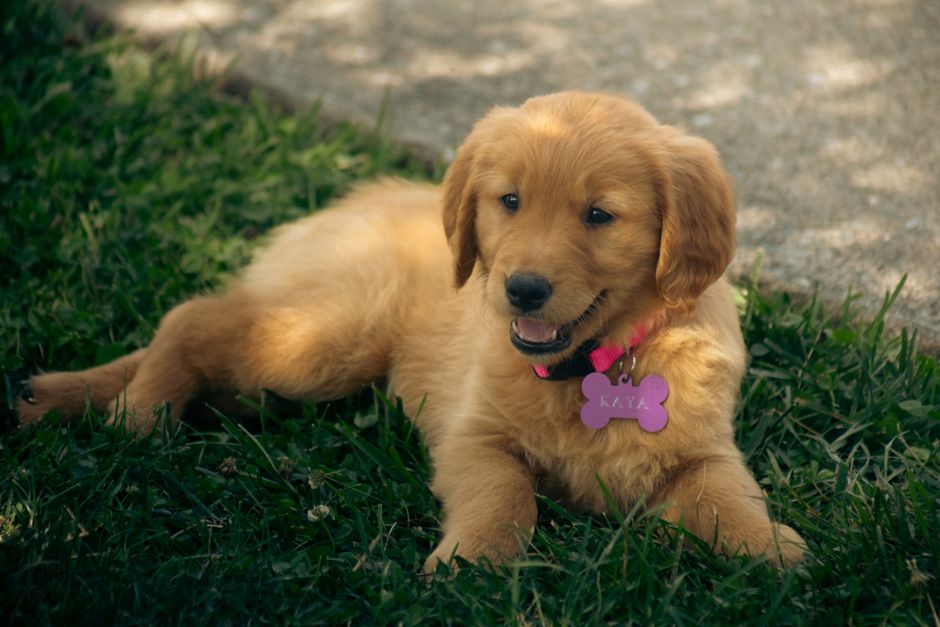
A pet tag with name is far more than a fashion accessory or a legal requirement in many municipalities; it is an emotional and functional lifeline. When a lost pet is found, the first action any compassionate individual takes is to check the collar for a tag. A visible name creates an immediate psychological connection. Instead of seeing a generic stray, the finder sees "Buddy" or "Luna," a beloved family member who needs help. This simple piece of text humanizes the animal and increases the likelihood that someone will stop, engage, and take action rather than simply walking past.
Beyond the emotional hook, the practical utility of a pet tag with name cannot be overstated. It provides the finder with a direct way to contact the owner without needing any special equipment. Unlike a microchip, which requires a scanner that only veterinary clinics or shelters typically possess, a tag gives instant access to a phone number or address. This immediacy is crucial, especially in the first few hours after a pet goes missing when they are still within a familiar neighborhood radius. Statistics from the American Veterinary Medical Association indicate that pets with visible ID tags are returned to their owners at significantly higher rates than those without any external identification. A pet tag with name with a current phone number is the most effective low-tech tool in your recovery arsenal.
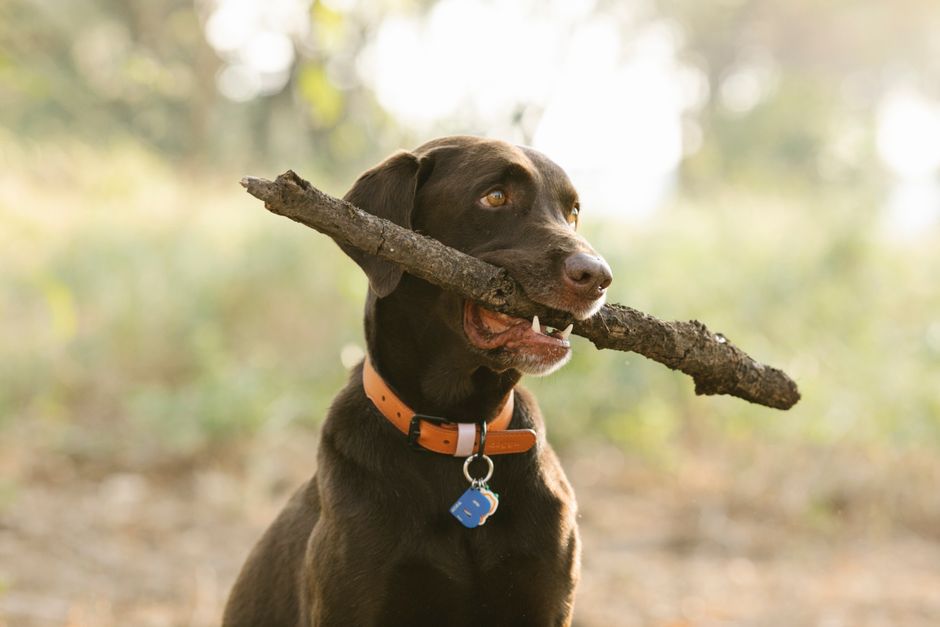
However, not all tags are created equal. The environment a tag endures is harsh. It is constantly banged against water bowls, scraped along walls, soaked in rain, mud, and snow, and subjected to the hard jaws of rough play. A paper-based or poorly printed tag can become illegible within weeks. This is where the choice of material and construction method becomes a safety decision. A high-quality pet tag with name must remain readable for the lifetime of the pet, or at least until the owner updates the contact information. It must withstand UV rays that fade ink, moisture that rusts cheap metal, and physical impact that can crack plastic. The best tags marry durability with clarity, ensuring that the letters remain crisp even after years of wear.
Finally, a pet tag with name serves as a backup to more advanced technology. GPS trackers can lose battery, microchips can migrate or fail to register, and online registries can become outdated. The tag is the constant, physical proof of ownership that travels with your pet at all times. It is the one piece of identification that a Good Samaritan can interact with immediately, without needing a smartphone app or a trip to the vet. For this reason, every pet should wear a robust tag as their primary ID, regardless of any other tracking or identification method you employ.
Types of Pet Tags with Names: Materials and Durability
The market offers a bewildering array of options for a pet tag with name, and the material you choose directly impacts how long that name remains legible. The most common materials include stainless steel, aluminum, brass, anodized aluminum, plastic, and silicone. Each has distinct strengths and weaknesses that pet owners must understand before making a purchase. Stainless steel, for example, is exceptionally resistant to corrosion and scratching, making it a top choice for active dogs who swim frequently. However, it is heavier than aluminum, which can be a consideration for smaller breeds or cats.
Aluminum tags are lightweight and inexpensive, but they are also soft. Over time, the engraved text on a standard aluminum pet tag with name can wear down, especially if the tag is repeatedly scraped against hard surfaces. Anodized aluminum offers a harder surface that resists wear better and can be colored, but the color coating can chip, revealing the raw metal underneath. Brass tags are durable and have a classic aesthetic, but they can tarnish and develop a patina that may obscure text if not properly sealed. Plastic tags are quiet and lightweight, but they are prone to cracking in cold weather and fading in direct sunlight.
Silicone tags have gained popularity for their flexibility and noise reduction, but they are extremely prone to catching on branches and fences. Because silicone is soft, it can stretch or tear, and the printed name often rubs off within a few months. The key takeaway is that the best material is one that balances hardness, weight, and weather resistance for your specific pet’s lifestyle. A pet tag with name made from high-quality stainless steel or a hardened composite material will outperform cheaper alternatives in the long term.
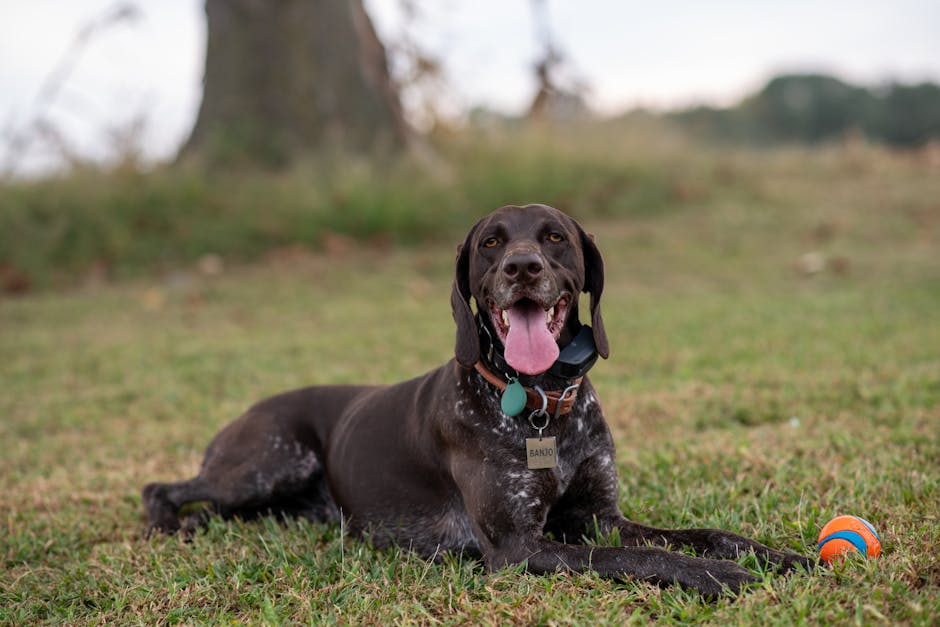
Another critical factor is the attachment method. A tag is useless if it falls off. Many tags use a simple split ring, which can open over time from repeated tension. Others use a rivet or a screw closure that is more secure. The shape of the tag also matters; bone-shaped or sharp-edged tags can get caught on crate bars or under doors, creating a strangulation hazard. The best design is a rounded shape with a secure, low-profile attachment mechanism that reduces the risk of snagging. Waterproofing is another consideration. Even if the tag material is corrosion-resistant, the ink used for etching or printing must be waterproof. Cheaper tags use laser etching that can flake, or pad printing that washes off after a few rainy walks. A true waterproof pet tag with name uses a deep engraving process or a proprietary chemical etching that penetrates the surface, ensuring the information remains intact no matter how wet the tag gets.
15-day free trial — No commitment
All premium features unlocked. No credit card required. Protect your pet in 2 minutes.
Try free for 15 daysDecoding the Information on Your Pet Tag with Name
What you put on a pet tag with name is just as important as the tag itself. The most immediate piece of information is the pet’s name, but this must be accompanied by a reliable contact method. At a minimum, include your primary phone number, and consider adding a secondary number such as a spouse’s or a trusted neighbor’s. If you include an address, be mindful that it exposes your home location to strangers, which may be a privacy concern. Many experts now recommend omitting the address and instead using a phone number and a QR code that leads to a secure profile.
Listing medical conditions on a pet tag with name can be life-saving. If your pet requires daily medication, is diabetic, or has a seizure disorder, adding a brief note like "Needs medication" can alert a finder or veterinary professional immediately. Similarly, if your pet is deaf, blind, or has severe anxiety, a small note can help the finder approach the animal safely. However, space is limited. Most traditional tags can only accommodate two lines of text, forcing owners to prioritize. This is where the digital upgrade comes in. A QR code tag solves the space problem by allowing the finder to scan the tag with their smartphone, which redirects to a profile containing all of the pet’s medical history, vaccination records, multiple contact numbers, and even a list of favorite treats to help lure the pet.
Another critical piece of information is the mention of a microchip. If your pet is microchipped, including the phrase "I am microchipped" on the pet tag with name tells the finder that a permanent form of ID exists. This encourages them to take the pet to a scanning facility, even if they cannot reach you by phone. The tag effectively bridges the gap between the visual ID and the deeper, hidden ID. Finally, consider adding a local emergency contact on the tag, especially if you travel frequently or live in a city with a high influx of tourists. A local friend or relative who can answer the phone at any hour can be a critical backup if you are unreachable due to work, travel, or time zones.
The Critical Role of a Pet Tag with Name in Travel and Relocation
Traveling with a pet, whether for a weekend getaway or a cross-country move, demands that your pet tag with name be updated and optimized for the new environment. One of the most common mistakes pet owners make is failing to update the tag after a relocation. Your pet’s tag must reflect your current phone number and address, not the one from your previous home. A **pet tag with name with an old number is functionally useless; it creates a dead end for the finder and delays the reunion. Before any trip, double-check that the engraved information is accurate and legible.
For international travel, the tag becomes a multilingual communication tool. While you may not be able to fit multiple languages on a small tag, you can use a QR code that displays information in the finder’s local language. Pethna’s digital profile, for instance, can auto-detect the user’s browser language to present the pet’s details in English, Spanish, French, or other common languages. This feature is invaluable when your pet gets lost in a foreign country where you may not speak the native tongue. The tag itself should be made of a material that complies with airline regulations; some carriers require non-metallic tags for pets traveling in the cabin to avoid interference with security scanners.
When staying in hotels, rental homes, or with relatives, your pet is in unfamiliar territory. A durable pet tag with name becomes even more critical because the escape risk is higher. New environments can cause anxiety, leading to bolting behavior. Ensure the tag is securely fastened to a breakaway collar for cats, or a standard collar for dogs, and that the collar itself is not worn out. During the trip, check the tag daily for any damage from luggage, car doors, or rough play. If the tag becomes scratched or bent, replace it immediately. The peace of mind that comes from knowing your pet can be easily identified is essential for a stress-free travel experience.
Engraving vs. Embossing: The Durability Showdown
When selecting a pet tag with name, the method used to apply the text is a major determinant of longevity. The two primary methods are engraving and embossing. Engraving physically cuts or scratches the surface of the metal to create the letters. There are two types: rotary engraving, which uses a spinning bit to carve out the material, and laser engraving, which burns or vaporizes a thin layer. Laser engraving is common on stainless steel and anodized aluminum because it produces a high-contrast mark. However, on cheaper metals, laser engraving can be shallow and wear down over time. Deep rotary engraving, often used by premium tag manufacturers, creates a groove that remains readable even if the surface around it gets scratched.
Embossing, in contrast, presses the letters into the metal from the back, creating raised bumps on the front. This method is often seen on military-style ID tags (dog tags). While embossing is durable and creates a tactile surface, the raised letters can be sheared off if the tag is dragged against rough concrete or metal. Furthermore, embossed tags are often limited to capital letters and numbers, reducing readability. A pet tag with name with deep engraving filled with a permanent epoxy or colored enamel will outlast an embossed tag in most conditions because the text is recessed and protected.
Printing is the least durable method. Many budget tags use pad printing or inkjet printing, which sits on top of the surface. Within weeks of exposure to water, dirt, and UV light, the print fades and smears. If you see a tag advertising a low price and a “printed name,” expect to replace it in under six months. For a truly permanent pet tag with name, insist on deep engraved text. Check the tag by running your fingernail over the letters; if you can feel a distinct groove, it is likely a quality engraving. If the surface feels completely smooth, it is probably a laser mark or a print, which will not last. Pethna uses a proprietary deep chemical etching process that penetrates the core of the tag material, ensuring the text remains legible for the life of the tag, even under constant submersion or abrasion.
Beyond the Name: The Evolution Towards Smart Pet Tags
The humble pet tag with name is undergoing a quiet revolution, driven by the proliferation of smartphones and cloud-based data. The traditional metal stamp with a phone number is being augmented and, in many cases, replaced by tags that incorporate QR codes, NFC chips, or both. A QR code tag allows a finder to scan the code with any smartphone camera without needing a special app. The code leads to a secure online profile that can contain infinitely more information than a physical tag can hold. This is a game-changer for pet safety.
A smart pet tag with name solves the perennial problem of outdated information. When you move or change your phone number, you do not need to buy a new tag. Instead, you log into your online profile and update the data. The physical tag remains unchanged, and the finder is always directed to the most current information. This is a massive advantage over traditional tags, which become useless the second you change your number. Furthermore, a digital profile can store medical records, vaccination dates, multiple emergency contacts, and even a photo of the pet for visual confirmation.
The reliability of a smart tag depends on the durability of the physical QR code. A QR code that is scratched, bent, or faded will not scan. Therefore, the QR code must be etched into the tag using the same deep, waterproof process used for the pet’s name. A sticker with a QR code is worthless; it will peel off in a week. Pethna’s tags feature a QR code that is chemically etched directly into the metal, followed by a UV-resistant coating. This ensures the code remains scannable even after years of exposure to sun, rain, and rough play. The combination of a traditional pet tag with name and a modern QR code creates a hybrid identification system that covers every possible scenario: the finder can call the phone number immediately, or they can scan the QR code to access a full digital profile. This dual-approach is the gold standard for modern pet safety.
Frequently Asked Questions About Pet Tags with Names
Q1: Is a pet tag with name enough, or do I still need a microchip?
A pet tag with name is an essential first line of defense, but it should be used in conjunction with a microchip, not as a replacement. Tags can fall off, be removed, or become damaged. A microchip is a permanent, implantable form of identification that cannot be lost or destroyed. However, a microchip requires a scanner to read, which means the pet must be taken to a shelter or vet clinic. The tag provides the immediate, visual contact that a microchip cannot. Together, they provide layered protection. Always include "I am microchipped" on your tag to encourage finders to seek scanning.
Q2: How often should I replace my pet tag with name?
You should inspect your pet tag with name at least once a month. Replace it immediately if the edges are sharp, the text is fading, the QR code is scratched, or the attachment ring is showing signs of wear. For traditional engraved tags, expect replacement every 1-3 years depending on your pet’s activity level. For printed tags, replace them every 3-6 months. For high-quality etched tags like Pethna’s, you may never need to replace the tag itself, only update your online profile if your contact information changes.
Q3: Can a pet tag with name be too heavy for my cat or small dog?
Yes, weight is a critical factor, especially for small pets. A heavy metal tag can cause neck strain or irritate the skin. Look for materials like lightweight aluminum or thin stainless steel. Pethna’s tags are designed to be ultra-thin and lightweight, minimizing the burden on smaller animals while maintaining durability. If your cat is prone to skin irritation, consider a silicone tag holder that attaches to the collar with the tag mounted inside, reducing direct contact with the fur.
Q4: What should I do if my pet’s tag gets lost while they are outside?
If your pet returns home without their tag, search the immediate area where they were last seen. Tags often get caught on bushes or fences and snap off. If you cannot find it, order a backup tag immediately. This is why having a secondary form of ID, such as a microchip or a collar with an embroidered name, is so important. Pethna offers a subscription service that ensures you always have a spare tag ready, and your digital profile remains active regardless of the physical tag’s status.
Why Pethna is the Ultimate Solution for Your Pet’s ID
Pethna was built from the ground up to solve the fundamental flaws of traditional pet tag with name products. We identified three core problems: tag failure from wear, outdated contact information, and the inability to provide finders with comprehensive medical and behavioral data. Our waterproof QR code pet tags are engineered to eliminate these issues. First, our tags are made from a hardened, corrosion-proof composite material that is lighter than stainless steel but significantly harder than aluminum. The tag’s surface undergoes a proprietary deep chemical etching process that engraves both the pet’s name and the QR code into the core of the material, not just the surface. This means the identification remains readable even if the tag is scratched, chewed, or run over by a car.
Second, Pethna’s digital platform is the smartest hub for a pet tag with name. When a finder scans the QR code, they are taken to a beautifully designed, mobile-optimized profile that displays your pet’s name, your primary and secondary phone numbers, medical alerts, vaccination records, and a recent photo. You can update this profile instantly from any device, meaning a new phone number or address takes effect the second you hit save. No waiting for a new tag to ship. The profile also includes a “Lost Pet Alert” feature that, when activated, notifies nearby Pethna users and even posts a discreet alert to local social media groups, massively amplifying your search efforts.
Finally, Pethna prioritizes durability and design. Our tags are fully waterproof, UV-resistant, and designed with a smooth, rounded shape to prevent snagging or irritation. The attachment system uses a patented, screw-free ring that is both silent and incredibly secure, reducing the chance of the tag falling off during play. We offer a range of colors and sizes to suit any pet, from a teacup Yorkie to a Great Dane. Choosing Pethna means choosing a product that combines the timeless reliability of a pet tag with name with the modern power of digital connectivity. You are not just buying a tag; you are investing in a complete lost-pet recovery system that gives you and your family peace of mind, every single day. Visit Pethna.com to create your pet’s digital profile and order your waterproof QR code tag today.