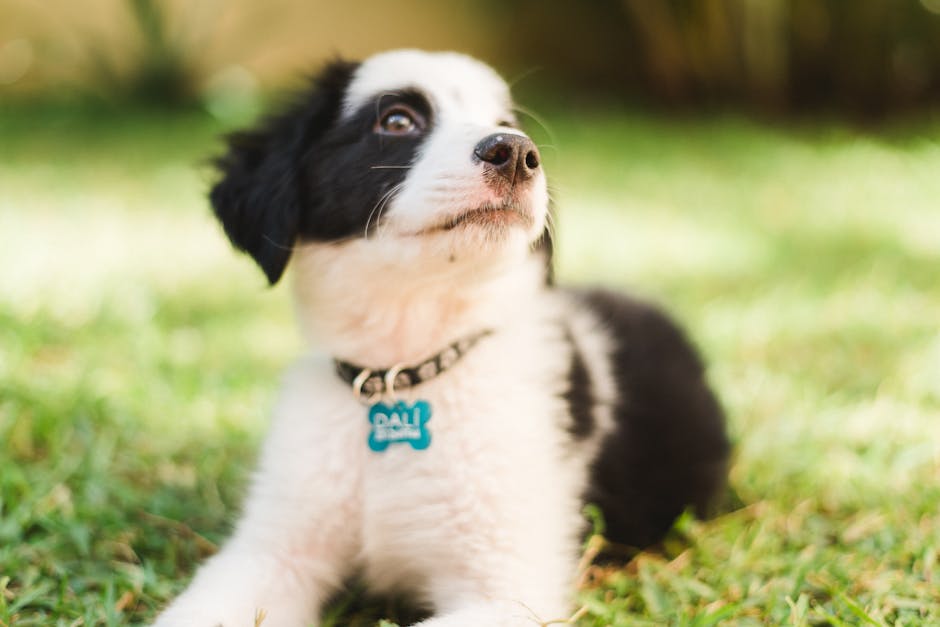
Printed Dog Tags: The Ultimate Guide to Keeping Your Pet Safe (and Why Waterproof QR Codes Are a Game-Changer)
Discover everything you need to know about printed dog tags, from materials and engraving to the revolutionary benefits of waterproof QR code tags. Learn how Pethna’s smart tags can reunite you with your lost pet faster than ever.
Why Printed Dog Tags Are Still Essential in the Digital Age
In a world where smartphones, GPS trackers, and microchips dominate the pet safety conversation, you might wonder: *Are printed dog tags still relevant?* The answer is a resounding yes. While microchips provide a permanent ID, they require a scanner to read—something not every Good Samaritan carries. GPS trackers are excellent for real-time location, but they rely on batteries and cellular signals, which can fail at the worst possible moment. Printed dog tags, on the other hand, offer an immediate, low-tech solution that anyone can read at a glance. They are the first line of defense when your furry friend slips out of the collar or dashes through an open gate.
But not all printed dog tags are created equal. The traditional metal tags with stamped letters can fade, rust, or become illegible over time. Worse, they often contain only a phone number—leaving finders with no context about your pet’s medical needs, temperament, or how to handle them safely. That’s where modern innovations like waterproof QR code tags come into play. By combining a durable printed surface with a scannable digital profile, these tags bridge the gap between old-school reliability and new-school convenience.
For pet owners who travel, hike, or live in wet climates, the choice of tag material and printing method can mean the difference between a quick reunion and a heartbreaking search. In this comprehensive guide, we’ll walk you through everything you need to know about printed dog tags—from materials and engraving techniques to the game-changing benefits of QR codes. By the end, you’ll understand why Pethna’s waterproof QR code tags are the smartest investment you can make for your pet’s safety.
Materials Matter: Choosing the Right Metal for Your Dog’s Tag
When shopping for printed dog tags, the material is the foundation of durability. The most common options are stainless steel, aluminum, brass, and anodized aluminum. Each has its pros and cons, and the right choice depends on your dog’s lifestyle, activity level, and environment.
Stainless steel is the gold standard for longevity. It resists rust, corrosion, and tarnishing, making it ideal for dogs who love water, mud, or snow. Stainless steel tags are also hypoallergenic, so they won’t irritate sensitive skin. The downside? They are heavier than aluminum, which might be a concern for very small breeds. However, modern manufacturing has produced lightweight stainless steel alloys that balance strength with comfort.
Aluminum tags are lightweight and affordable, but they are softer than steel. Over time, the printed or engraved text can wear down, especially if the tag rubs against a collar buckle or concrete. Anodized aluminum adds a protective layer that resists scratches and fading, but it’s still not as durable as stainless steel. For indoor pets or occasional walkers, aluminum can be a budget-friendly choice.
Brass tags have a classic, vintage look and are often used for traditional stamped tags. However, brass is prone to tarnishing and can develop a green patina (copper oxidation) that may stain your dog’s fur. While some owners love the aesthetic, brass is not recommended for active dogs or those with allergies.
Silicone or plastic tags are another option, especially for puppies or dogs who play rough. They are lightweight, quiet, and won’t scratch furniture. But they are far less durable than metal—they can tear, chew, or degrade in sunlight. For long-term use, metal remains the superior choice.
At Pethna, we use high-grade stainless steel for our printed dog tags because it offers the perfect balance of durability, weight, and readability. Our tags are also coated with a waterproof laminate that protects the printed QR code and text from scratches, moisture, and UV rays. Whether your dog swims in the lake, rolls in the snow, or digs in the backyard, a Pethna tag stays legible for years.
Engraving vs. Printing: Which Method Lasts Longer?
The method used to apply information to a dog tag is just as important as the material itself. Two primary techniques dominate the market: traditional engraving (stamping or laser) and modern digital printing. Each has distinct advantages and limitations.
Engraving physically removes a thin layer of metal to create indented letters or designs. Laser engraving is precise and can produce fine details, while stamping uses a die to press letters into the metal. Engraved tags are highly durable because the information is part of the tag itself—it won’t peel or fade. However, engraved text can be difficult to read from a distance, especially if the tag is small or the font is intricate. Also, engraving is limited to text and simple graphics; you cannot engrave a QR code with enough contrast for reliable scanning.
Digital printing uses ink or toner to apply text, images, and QR codes onto the tag’s surface. Modern printing techniques, such as UV-cured ink or dye-sublimation, produce vibrant, high-resolution results. The main concern with printing is durability—ink can scratch off or fade over time. That’s why a protective coating is essential. High-quality printed dog tags use a laminate or epoxy layer to shield the print from wear and tear.
So which is better? For a simple phone number and name, engraving is a solid choice. But for a QR code that stores a complete digital profile—including medical info, multiple contacts, and even a photo—printing is the only viable option. The QR code requires high contrast and fine detail to be scannable by any smartphone camera. Engraving cannot achieve the necessary precision.
Pethna’s printed dog tags combine the best of both worlds. We use a high-resolution digital printing process that produces a crisp, scannable QR code, then seal it with a waterproof, scratch-resistant laminate. The result is a tag that looks great, scans instantly, and lasts as long as any engraved tag. Plus, because the information is stored digitally, you can update your pet’s profile anytime without ordering a new tag. That’s something no engraved tag can offer.
15-day free trial — No commitment
All premium features unlocked. No credit card required. Protect your pet in 2 minutes.
Try free for 15 daysThe Rise of QR Code Dog Tags: How They Work and Why They’re Better
QR code dog tags are transforming the way lost pets are reunited with their families. Instead of relying on a single phone number that might be outdated or unanswered, a QR code links to a dynamic digital profile that can contain everything a finder needs to know. Here’s how they work and why they’re superior to traditional printed dog tags.
When someone scans the QR code on your pet’s tag with their smartphone camera, they are directed to a secure webpage (like your Pethna profile). That page displays your pet’s name, your contact information, any medical alerts (e.g., “needs daily medication” or “fearful of children”), and even a photo to confirm identity. Some platforms also allow you to include a “safe word” or a message to the finder. Because the profile is cloud-based, you can update it instantly—if you change your phone number or travel to a new city, you simply log in and edit the details. No need to buy a new tag.
The benefits over traditional printed dog tags are enormous. First, privacy: your personal phone number is not exposed to everyone who sees the tag. The finder only sees what you choose to display. Second, redundancy: you can list multiple phone numbers (home, work, spouse, vet) so that if one line is busy, another rings. Third, medical information: if your dog has a condition like diabetes or epilepsy, the finder can be alerted immediately, potentially saving your pet’s life. Fourth, global reach: QR codes work in any country, and the profile can be translated into multiple languages.
Critics sometimes worry about QR codes being damaged or unreadable. That’s why Pethna’s tags are printed with a durable, waterproof coating that protects the code from scratches, dirt, and moisture. We also include a backup phone number directly on the tag, so even if the QR code is somehow compromised, a finder can still call you. This dual-layer approach ensures you’re never left without a way to be contacted.
Waterproofing: The Critical Feature Most Pet Owners Overlook
When you buy a printed dog tag, you probably check the material and the font size. But do you check whether it’s waterproof? Most pet owners don’t—until their dog jumps into a pond and the tag’s ink runs, or the paper insert inside a plastic tag turns to mush. Water damage is one of the leading causes of tag failure, yet it’s rarely discussed.
Waterproofing matters for several reasons. First, dogs are naturally drawn to water—puddles, lakes, rain, even a spilled bowl. A tag that isn’t waterproof will quickly become illegible, rendering it useless. Second, tags are exposed to sweat, saliva, and humidity from your dog’s body. Over time, moisture seeps into unprotected prints, causing fading, peeling, or rust. Third, if your dog gets lost in wet weather, the tag may be the only clue a finder has. A smudged or unreadable tag could delay the reunion.
What does true waterproofing look like? It’s not just a “water-resistant” coating. A truly waterproof tag must withstand submersion, abrasion, and UV exposure without degrading. For printed tags, this means a laminated surface that seals the ink from all sides. For metal tags, it means using corrosion-resistant materials like stainless steel and avoiding exposed edges where moisture can enter.
Pethna’s printed dog tags are engineered for extreme conditions. We use a multi-layer lamination process that encases the printed QR code and text in a clear, durable shield. The tags have been tested in saltwater, chlorinated pools, and even buried in mud for weeks—the print remains perfectly scannable. Additionally, the stainless steel base won’t rust or corrode, so the tag stays intact even if the laminate is scratched. For pet owners who live near the coast, hike in rainy forests, or have a dog that loves to swim, waterproofing is non-negotiable.
How to Design the Perfect Printed Dog Tag for Your Pet
Designing a printed dog tag might seem straightforward, but there are several factors to consider to ensure maximum effectiveness. Whether you choose a traditional engraved tag or a modern QR code tag, the design should prioritize readability, durability, and useful information.
Size and shape: The tag should be large enough to read from a few feet away but not so large that it bothers your dog. For small breeds, a 1-inch round or bone-shaped tag works well. For larger dogs, a 1.5-inch tag is ideal. Avoid tags with sharp edges or intricate cutouts that can snag on collars or fences.
Font and contrast: Use a bold, sans-serif font (like Arial or Helvetica) for maximum legibility. Avoid cursive or decorative fonts that are hard to read at a glance. High contrast between the text and background is crucial—black on silver or white on dark metal are best. For QR codes, ensure the code is at least 0.75 inches square and printed with high contrast.
Information to include: At minimum, include your pet’s name and your phone number. If space allows, add “I am lost” or “Reward” to encourage finders to act. For QR code tags, you can keep the physical tag simple (just a name and QR code) because the digital profile holds all the details. However, we recommend also printing a backup phone number on the tag in case the QR code is damaged.
Attachment method: The ring or split ring that connects the tag to the collar should be sturdy and rust-proof. Stainless steel split rings are best. Avoid cheap brass rings that can break or corrode. Some tags come with a silent silicone bumper to reduce jingling—a nice feature for indoor dogs.
Personalization: Many owners add a fun design, like a paw print or their dog’s favorite color. While aesthetics are nice, never sacrifice readability for style. The primary purpose of a printed dog tag is to bring your pet home safely.
Pethna’s online designer tool makes it easy to create a custom tag that balances beauty and function. You can choose from multiple shapes, colors, and fonts, and preview exactly how the tag will look before ordering. Plus, with our QR code technology, you can update your pet’s profile anytime—so even if your design is perfect today, it can adapt to your changing needs tomorrow.
Frequently Asked Questions About Printed Dog Tags
1. Are printed dog tags better than engraved ones?
It depends on your priorities. Engraved tags are extremely durable because the information is physically carved into the metal. However, they are limited to text and cannot store dynamic data. Printed tags, especially those with QR codes, offer far more functionality—they can link to a digital profile with multiple contacts, medical info, and photos. Modern printed tags with waterproof lamination are nearly as durable as engraved ones. For most pet owners, the flexibility of a printed QR code tag outweighs the slight durability advantage of engraving.
2. How long do printed dog tags last?
The lifespan of a printed dog tag depends on the material, printing method, and environmental exposure. A high-quality tag like Pethna’s, made from stainless steel with a waterproof laminate, can last 3–5 years or more with normal wear. Tags made from aluminum or with poor lamination may start fading within a year. To maximize longevity, avoid exposing the tag to harsh chemicals (like bleach or pool chlorine) and inspect it regularly for scratches or peeling.
3. Can I update the information on a printed dog tag?
With traditional printed tags, no—the information is permanently printed on the metal. If you move or change your phone number, you must order a new tag. That’s a major advantage of QR code tags: the information is stored digitally, so you can update it instantly from your phone or computer. Pethna’s tags come with a lifetime profile update feature, so you never need to buy a new tag when your contact details change.
4. What if the QR code gets scratched or dirty?
A scratched or dirty QR code may be harder to scan, but most modern smartphones can still read a partially damaged code if the contrast is sufficient. Pethna’s tags are coated with a scratch-resistant laminate that protects the code from everyday wear. Additionally, we print a backup phone number directly on the tag, so even if the QR code is completely unreadable, a finder can still call you. For extra safety, you can also register your pet’s microchip with the same profile.
Why Pethna Is the Ultimate Solution for Modern Pet Safety
After exploring the world of printed dog tags, one thing is clear: the days of simple metal discs with a phone number are fading. Today’s pet owners need a solution that combines durability, intelligence, and convenience. That’s exactly what Pethna delivers.
Our waterproof QR code tags are crafted from premium stainless steel and printed with a high-resolution, scratch-resistant laminate. They are designed to withstand the toughest conditions—rain, snow, mud, saltwater, and even a playful roll in the dirt. The QR code links to a secure, customizable digital profile that you can update anytime, from anywhere. No more ordering new tags when you move or change your number. No more worrying about a finder not being able to read a faded tag.
But Pethna is more than just a tag. It’s a complete pet safety ecosystem. Our platform allows you to store medical records, vaccination dates, and emergency contacts. You can share your pet’s profile with your vet, dog walker, or pet sitter. And if your pet ever goes missing, the QR code can display a “Lost Pet” alert with a photo and a message to the finder. We also offer optional GPS tracking integration for those who want an extra layer of security.
Choosing the right printed dog tag is one of the most important decisions you’ll make for your pet’s safety. Don’t settle for a tag that can rust, fade, or become outdated. Choose Pethna—the smart, waterproof, forever-updateable solution that gives you peace of mind every time your dog steps out the door. Visit www.pethna.com today to design your custom tag and join thousands of pet owners who never worry about losing their best friend again.