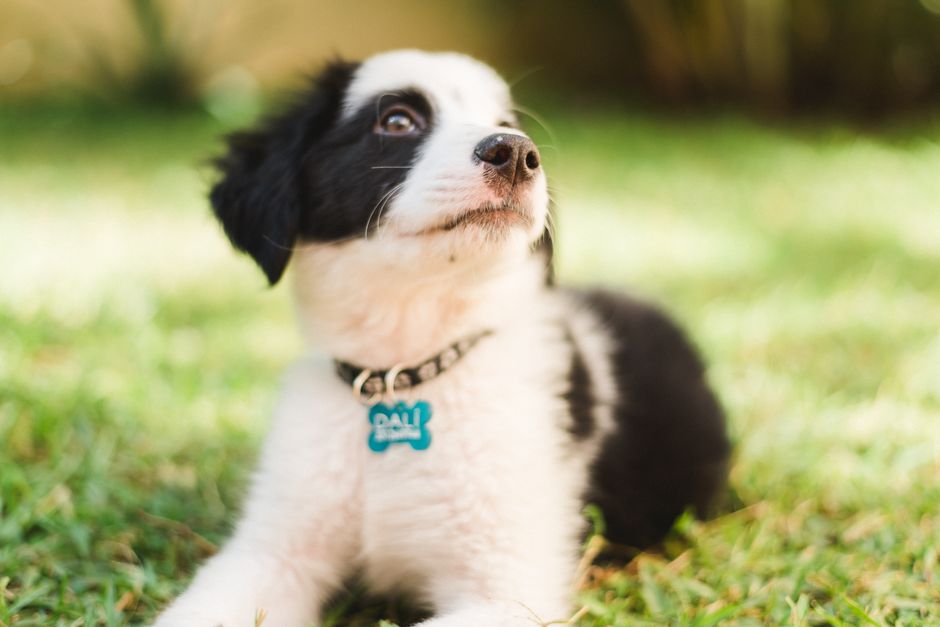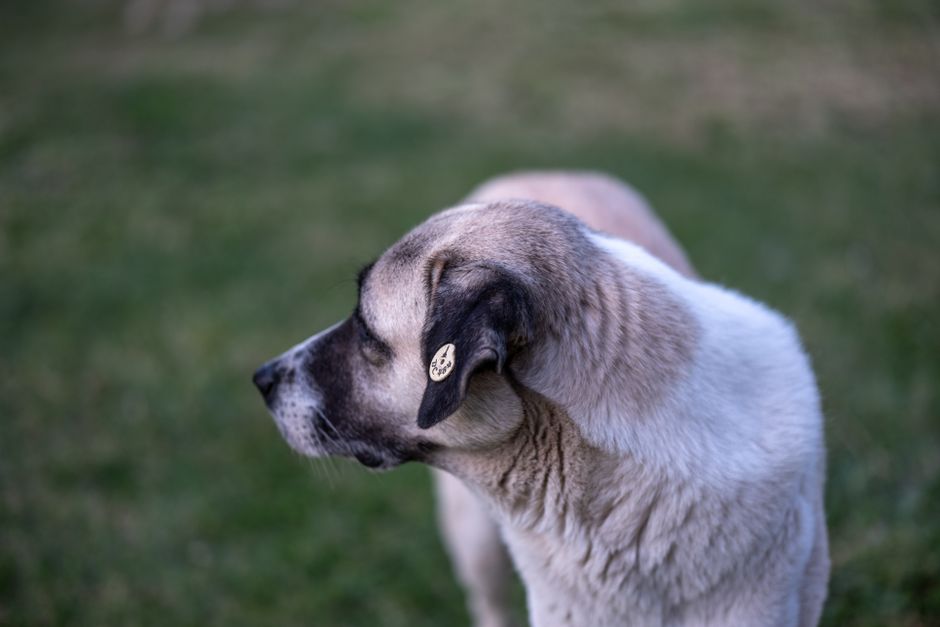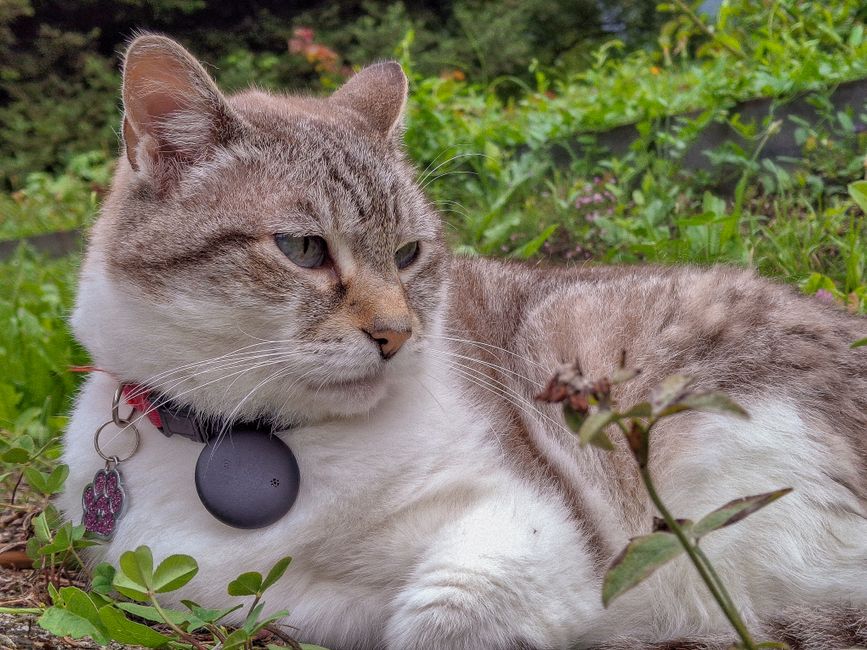
The Definitive Guide to Cat Identification Tags: Why QR Codes Outperform Tradition
Discover everything you need to know about modern cat identification tags, including why a waterproof QR code tag is the most effective way to ensure your feline friend's safe return home.
As a cat owner, you know that sinking feeling the moment you realize your feline friend has slipped out an open door or window. In that instant, every second counts. While microchips are a vital safety net, they have a fundamental flaw: they require a trip to a vet or shelter to be read. This is where a high-quality cat identification tag becomes your pet's single most important accessory—the first line of defense against a lost pet becoming a tragedy.
The average domestic cat lives a life of quiet adventure. They patrol their territory, chase shadows, and explore the great unknown from the safety of your home—until they don't. Nearly one in three cats will become lost at some point during their lifetime. The difference between a happy reunion and a heartbreaking statistic often comes down to how quickly a finder can contact you. Traditional engraved tags have served us for decades, but they are riddled with limitations: wear and tear, outdated information, and limited space for details. Today, the gold standard in pet safety has evolved. Enter the smart identification tag—durable, waterproof, and powered by a scannable QR code that bridges the gap between a missing cat and a fast return home. This guide will explore every facet of cat identification tags, helping you choose the best possible guardian for your whiskered companion.
Why Your Cat Needs a Proper Identification Tag
Many cat owners make the dangerous assumption that indoor cats never need identification. This is a costly myth. The American Humane Association reports that only about 2% of lost cats without identification are ever reunited with their owners. For cats wearing collars with tags, that number skyrockets to over 20%. The logic is simple: a tag is the fastest, most direct way for any person to identify your pet. Unlike a microchip, which requires specialized scanning equipment, a tag is visible to the naked eye. A neighbor, a mail carrier, or a Good Samaritan can read a tag instantly and take immediate action.
The urgency of a lost pet scenario cannot be overstated. Every hour a cat is lost, the radius of its search area expands exponentially. A cat who slips out at dusk and encounters a car, a predator, or harsh weather has a narrow window of safety. In these critical first few hours, a loud jingle from a collar and a clearly visible tag can be the beacon that draws a rescuer. A cat identification tag eliminates the barrier between "I found a cat" and "I know who owns this cat." It removes the guesswork, the phone calls to animal control, and the desperate Facebook posts. The tag turns a lost cat into a found cat almost immediately.
Furthermore, a cat identification tag serves as a public declaration of ownership. If your cat is found by someone who decides to "adopt" a friendly stray, a tag with your contact information legally and ethically asserts that this pet belongs to someone else. It adds a layer of social pressure and honesty that a nameless, tag-less cat simply does not have. In a world where many well-meaning people might assume a wandering cat is a feral or community cat, a bright, legible tag is a clear signal: *I am loved, I am missed, and I have a home waiting for me*.
Traditional Tags vs. Modern QR Code Technology
Traditional engraved cat identification tags have been the standard for generations. They are simple, inexpensive, and direct. You stamp a phone number and a name onto a piece of metal, and you are done. However, this analog approach comes with significant drawbacks. The information is static. If you move, change your phone number, or add a secondary contact, you must order an entirely new tag. This friction leads to outdated tags that are worse than no tag at all, because they give a finder a false sense of closure if they call a disconnected number.
The physical limitations of engraved tags are also severe. Space is at a premium. You can fit a name and one phone number, maybe two if you squeeze the font. There is no room for medical notes (e.g., "Needs daily medication," "Diabetic"), no space for a secondary vet contact, and no way to include an emergency back-up number for someone who may not have your primary line. The engraving itself is prone to wear, becoming illegible over time as the tag scrapes against floors, bowls, and furniture.
Modern QR code cat identification tags solve every single one of these problems. The QR code acts as a dynamic digital key. It is scannable by any modern smartphone camera without needing a dedicated app. Once scanned, the code redirects the finder to a secure online profile that you control. This profile can contain unlimited information: your name, your cell number, a secondary contact, your vet’s number, your address (if you choose to include it), specific medical alerts, and even a photo of your cat to confirm identity. If your phone number changes, you do not buy a new tag; you simply log into the Pethna dashboard and update the profile. The same physical tag works forever.
The data also provides a superior finder experience. Traditional tags just give a number; the finder has to guess who is calling and nervously dial. A QR code tag typically launches a dedicated landing page that says, "You found Whiskers! Please call their owner." It then provides a single "Call Owner" button and shows a picture of the cat. This reduces anxiety for the finder and increases the likelihood they will act immediately. It is a friction-free, modern solution to an age-old problem.
The Critical Importance of Waterproof Cat Identification Tags
Water is the silent enemy of pet identification. A cat that escapes through a pet door during a rainstorm, drinks from a puddle, or even wears a tag that gets splashed during a bath can render a non-waterproof tag useless. For paper or low-quality plastic tags, a single exposure to moisture can cause the ink to run, the paper to disintegrate, or the QR code to become hopelessly smudged. If a rescuer cannot scan the code, the tag is just a piece of decorative plastic.
The environment of a cat is inherently wet. Cats are fastidious groomers and their tongues produce saliva that can degrade adhesives and inks over time. A cat's water bowl is a daily hazard. Outdoor adventures introduce rain, mud, and even snow. A truly robust cat identification tag must be engineered to survive these conditions not just for a day, but for years. This requires materials like high-grade stainless steel or a waterproof, scratch-resistant polymer, with the QR code laser-engraved or embedded into the material rather than printed on a sticker.
When we talk about "waterproof," we mean IP67 or IP68 rated protection. This means the tag can be submerged in up to one meter of water for 30 minutes or longer without any damage to the code's readability. A tag that is merely "water-resistant" will fail when it matters most. A quality cat identification tag should also be rust-proof and corrosion-proof. The hardware—the ring that attaches to the collar—must be equally robust. A rusty split ring that breaks is just as dangerous as a fading QR code. In short, a waterproof tag ensures that your cat's identity is intact and scannable no matter what weather, puddle, or bath they encounter.
15-day free trial — No commitment
All premium features unlocked. No credit card required. Protect your pet in 2 minutes.
Try free for 15 daysWhat to Look for in a High-Quality Cat Identification Tag
Not all cat identification tags are created equal. When shopping for the best protection for your feline friend, you must evaluate several critical factors beyond just price. First and foremost is material durability. Avoid cheap aluminum or painted steel that chips and fades. Opt for surgical-grade stainless steel or a high-impact, BPA-free polymer composite. These materials are lightweight (important for a cat's delicate neck) yet incredibly strong. They resist scratches, dents, and the chemical degradation that comes from contact with grass, fertilizers, and cat saliva.
The second factor is the application of the QR code. Is it a sticker, a printed decal, or a laser engraving? Stickers are a huge red flag. They peel, bubble, and fade quickly. The QR code must be directly laser-engraved into the material or applied using a durable, UV-resistant process that guarantees high contrast for years. A laser-engraved code is essentially a permanent part of the tag. It cannot be scratched off or washed away. Always verify that the manufacturer promises at least 3-5 years of readability under normal outdoor conditions.
Third, consider the size and weight of the tag. A tag that is too large can be uncomfortable and even dangerous, potentially getting caught on branches or furniture. A tag that is too small might be hard to find or scan. The ideal cat identification tag is typically between 1 inch and 1.25 inches in diameter, with a weight under 5 grams. Many quality options are available as lightweight, flat tags or even slim, bone-shaped designs that minimize bulk. Finally, ensure the ring attachment is a heavy-duty split ring or a breakaway mechanism integrated into the collar, not a flimsy keychain ring that can snap open.
How a Smart Cat Identification Tag Works in the Real World
Let's trace the exact journey of a lost cat wearing a Pethna QR code tag. Your cat, let's call her Luna, slips out the back door while you bring in groceries. She wanders down the street and ends up in a neighbor's garage. The neighbor, hearing a faint meow, finds Luna hiding behind a box. They see a collar and a clean, shiny tag. On the front, they see a clear laser-engraved QR code and the simple text: "SCAN ME - I AM LOST."
The neighbor pulls out their smartphone, opens the camera, and points it at the code. Instantly, a notification appears on their screen. They tap it, and without downloading any app or signing up for a service, they are taken to a secure, mobile-optimized webpage. This page greets them with a large, friendly photo of Luna. The headline reads: "You found Luna! Please help get me home." Below the photo, there is a prominent, one-tap button that says "Call Owner." There is also a secondary button: "Send a Text Message to Owner." This removes all guesswork. The neighbor can immediately make contact without fumbling for a pen or guessing which number to call.
Even if the neighbor is a tech novice, the process is foolproof. The page also contains a gentle reminder: "Keep Luna safe and warm while you wait for the owner. Thank you for being a hero." Meanwhile, you receive a notification on your phone (via the Pethna app) that your QR code has been scanned, along with the approximate GPS location of the scan. You know exactly where Luna was found. This entire process, from discovery to contact, takes less than 60 seconds. Compare this to the hours of posting flyers, visiting shelters, and waiting for a microchip scan. The smart tag transforms a potentially devastating experience into a swift, stress-free reunion.
Beyond the Tag: Enhancing Your Cat's Safety Net
A cat identification tag is a powerful tool, but it works best as part of a comprehensive safety strategy. The tag is your primary "find me now" signal, but it should be backed up by a registered microchip. Think of the microchip as a permanent backup for a worst-case scenario—if the collar breaks or is removed. A microchip is a tiny implant that contains a unique ID number linked to your contact details in a national database. Ensure your chip is registered and that your information is current. A chip is useless if the database has a disconnected phone number.
Your cat's collar is equally important. The tag is only as safe as the collar it hangs from. For cats, a breakaway collar is non-negotiable. These collars are designed to snap open under pressure, preventing your cat from being hung up on a fence branch or getting their jaw caught. When choosing a breakaway collar, ensure the buckle releases with moderate force—not so easily that it falls off during normal play, but not so strong that it poses a choking hazard. The tag ring should be silent or nearly silent; loud jingling tags can attract predators or annoy your cat, leading them to try and remove the collar.
Finally, integrate your cat's identification into your routine. Take a clear, recent photo of your cat every six months. Keep a digital folder with your cat's distinct markings, microchip number, and vet records. Train your cat to tolerate their collar from a young age, using positive reinforcement like treats. Many cats adjust in days. Remember, a cat identification tag is not a one-time purchase; it is a commitment to maintaining a lifeline. Check the tag monthly for wear, test the QR code scan yourself, and update your Pethna profile whenever your contact details change. This proactive approach ensures that when the unexpected happens, your system works flawlessly.
Frequently Asked Questions About Cat Identification Tags
1. Will a QR code tag work if my cat is an indoor-only pet?
Absolutely. In fact, indoor cats need identification even more, as they are often disoriented and terrified when they escape outdoors. They lack street smarts and are more likely to hide, making them harder to find. A QR code tag ensures that if they slip out during a repair visit or a door left ajar, the first person to spot them can instantly connect with you. There is no "too safe" for an indoor cat.
2. Is the QR code tag safe for my cat? Can it get caught on things?
Safety is paramount. Pethna tags are designed to be lightweight and compact, minimizing the risk of snagging. The tag itself is smooth with no sharp edges. When paired with a properly fitted breakaway collar, the entire setup is designed to release under pressure. The tag's small size—typically under 1.5 inches—makes it far less likely to catch on branches than bulky tags. Always inspect your cat's collar and tag regularly for any signs of wear.
3. What happens if my phone number changes? Can I update the tag?
Yes, and this is the single greatest advantage of a smart QR code tag. You do not need to buy a new tag. You simply log into your Pethna account on your computer or phone and edit your contact profile. The change is instantaneous and takes effect the next time the QR code is scanned. This is in stark contrast to traditional engraved tags, which require a costly re-order and a wait time of several days.
4. Does the finder need a special app to scan the QR code?
No. This is a critical feature of a good smart tag. The Pethna QR code is designed to be read by the native camera app on any modern smartphone (iPhone, Android). No app download is required. The finder simply points their camera at the code, taps the notification that pops up, and is taken directly to your pet's profile page. This eliminates the single biggest barrier to a finder taking action: technical friction.
Why Pethna is the Ultimate Solution for Your Cat
Every pet owner hopes they will never need a cat identification tag, but the responsible owner prepares for the worst while hoping for the best. Pethna was built by pet lovers who understand that a lost pet is a frantic race against time. We have engineered our tags to eliminate every point of failure that plagues traditional identification. Our tags are made from marine-grade stainless steel, ensuring they are truly waterproof, rust-proof, and built to survive years of outdoor adventures, water bowl dips, and rough play. The QR code is not a sticker; it is a high-contrast laser engraving that will never fade or smudge.
But Pethna is more than a tag; it is a complete safety ecosystem. Our platform provides you with a real-time management dashboard where you can update your contact details, add emergency contacts, store medical information, and even upload multiple photos of your cat—all in one place. When a finder scans your tag, they are greeted with a calming, action-oriented page that includes your photo, a direct call button, and our patented SafeNotify™ system, which alerts you instantly with the GPS location of the scan. We don't just give you a tag; we give you a recovery system.
Choosing Pethna means choosing peace of mind. You are investing in a device that is scientifically designed to work at the exact moment it is needed most. Our tags are ultra-lightweight to ensure your cat's comfort, and we offer a Lifetime Guarantee on our engraving and hardware. We stand behind our product because we know it saves lives. Don't trust your feline family member to a flimsy, outdated piece of metal. Equip them with the most advanced, reliable cat identification tags on the market. Visit Pethna.com today and give your cat the voice they need to find their way home.