Miniature Dog Tags: The Ultimate Guide to Compact, Waterproof QR Pet ID for 2026
Discover why miniature dog tags are the smartest choice for pet safety. Our comprehensive guide covers materials, QR technology, and how Pethna’s waterproof tags keep your dog’s info secure and scannable anywhere.
Bringing a new puppy home or upgrading your senior dog’s gear? You’ve probably noticed that standard ID tags can be bulky, noisy, and downright uncomfortable for smaller breeds. That’s where miniature dog tags come in. These compact, lightweight alternatives are designed to provide the same life-saving identification without the jingle-jangle or the risk of a tag catching on a crate.
But not all miniature tags are created equal. With the rise of smart technology, waterproof QR code tags like those from Pethna have transformed the way we protect our pets. In this comprehensive guide, we’ll explore everything you need to know about miniature dog tags — from materials and durability to the digital profiles that make recovery instant. Whether you own a 5-pound Chihuahua or a 100-pound Labrador, you’ll learn why a tiny, scannable tag could be the most important purchase you make this year.
Let’s dive into the world of compact pet ID and discover how a simple QR code can reunite you with your best friend in minutes.
Why Size Matters: The Rise of Miniature Dog Tags
For decades, pet tags were either stamped metal discs slapped on a ring or heavy military-style pieces that clanked with every step. While functional, these traditional tags posed real problems — especially for small dogs. A heavy tag can irritate a dog’s neck, cause fur matting, and even lead to injuries if the tag gets caught on furniture or a crate. Enter the miniature dog tag revolution.
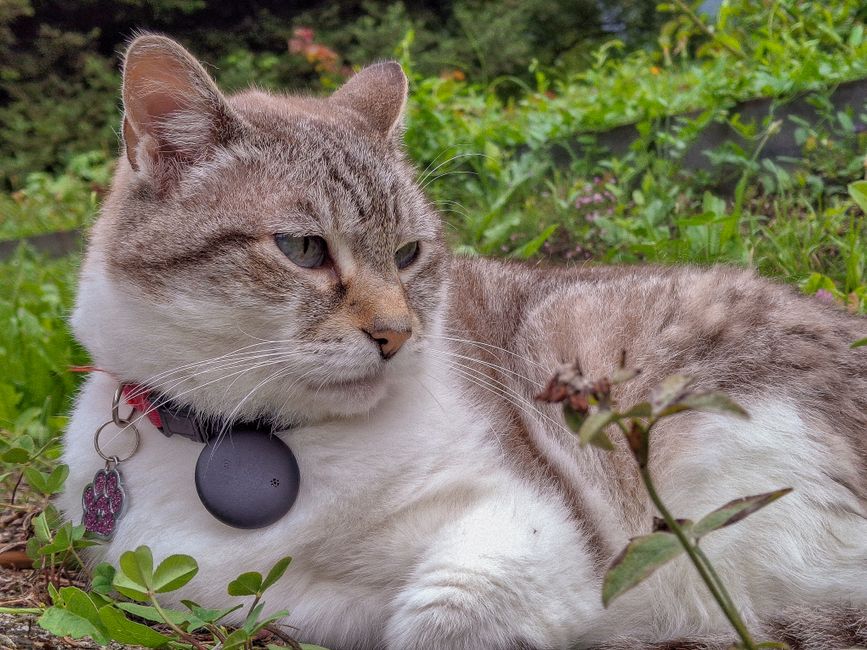
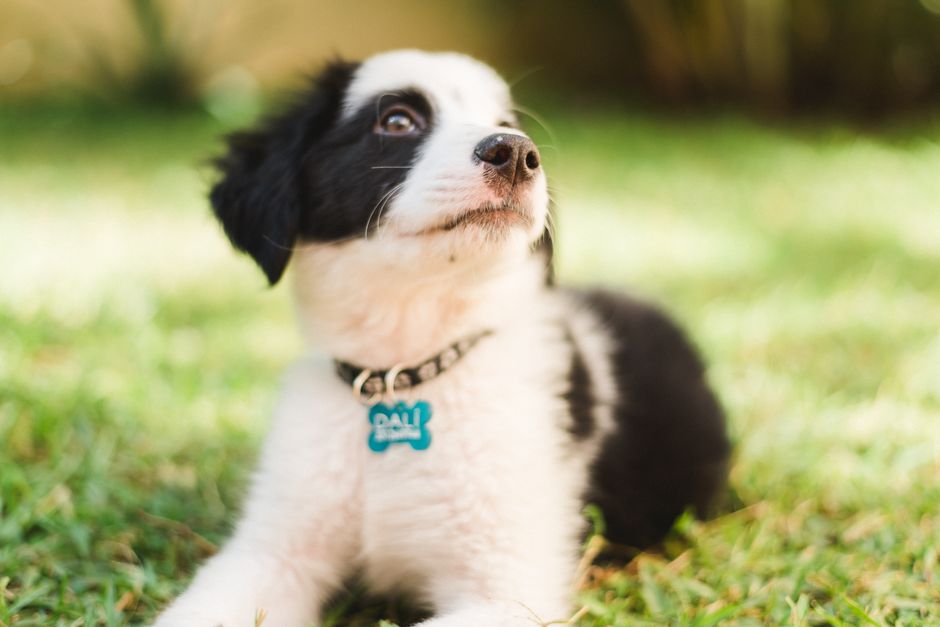
Miniature tags are designed to be significantly smaller and lighter than standard ID tags—often less than 1 inch in diameter and weighing just a few grams. This reduction in size addresses several key issues. First, it eliminates the constant noise of metal clanking against a buckle or water bowl, which can stress anxious dogs and annoy owners. Second, it reduces the physical burden on delicate necks, making them ideal for puppies, toy breeds, and short-haired dogs prone to skin irritation.
The trend toward minimalism in pet products isn’t just about aesthetics; it’s driven by safety and comfort. Many dog owners today also prioritize a clean, modern look that doesn’t overwhelm a pet’s silhouette. Miniature dog tags sit flush against the collar, often with rounded edges that won’t dig into the skin. And because they’re smaller, they’re less likely to be chewed or accidentally swallowed by curious puppies.
Moreover, the rise of QR code technology has made the miniature form factor even more practical. When a tag only needs to display a scannable code (plus emergency contact text), the printed area can be minimal. You no longer need a large surface to engrave multiple lines of phone numbers and addresses. A compact QR code holds all that information digitally, allowing the physical tag to be tiny yet incredibly powerful.
Materials and Durability: What to Look for in Miniature Dog Tags
When you’re searching for the best miniature dog tags, material choice is everything. Dogs live active, messy lives — they swim, dig, roll in mud, and bump into walls. Your tag needs to withstand all of that while staying readable and secure. Here’s what to evaluate:
Waterproof vs. Water-Resistant
A tag that claims to be “resistant” may fail after a single bath or rainstorm. Genuine waterproof miniature dog tags, like those from Pethna, are sealed from the core. The best materials are solid stainless steel, anodized aluminum, or high-grade silicone encased in a protective laminate. The QR code should be laser-engraved or embedded under a clear layer, not printed on the surface where it can smear or fade.
Scratch Resistance and UV Stability
A tag that looks good in the store but scratches within a week defeats its purpose. Look for hardened materials with a rating of at least 8 on the Mohs scale for scratch resistance. UV stabilizers are crucial if your dog spends hours in the sun — cheap tags discolor and become unreadable in as little as three months. Pethna’s tags use industrial-grade coatings that resist fading and abrasion, ensuring the QR code remains crisp for years.
Attachment and Hardware
Even the best miniature dog tag is useless if the split ring or quick-release clip fails. For miniature sizes, the attachment hardware must be proportional — a bulky split ring can double the weight of the tag. Look for welded O-rings or slotted designs that hold securely without adding bulk. Many modern tags (including Pethna) use a “direct-stitch” or keyhole loop that threads directly onto the collar, eliminating the ring entirely. This reduces jingling and prevents the tag from rotating upside down.
Hypoallergenic Properties
Dogs with sensitive skin can develop contact dermatitis from nickel or zinc alloys. The safest materials for miniature dog tags are surgical-grade stainless steel (316L) or medical‑grade silicone. Both are non‑allergenic, lightweight, and resistant to corrosion from salt water or chlorinated pools. Always check that the tag is labeled “nickel‑free” and “lead‑free”—especially for puppies that love to chew.
The Technology Behind Modern Miniature Dog Tags: QR Codes & Digital Profiles
The real revolution in miniature dog tags isn’t the size — it’s the brain inside. Traditional tags rely on engraved text that can be hard to read, gets scratched off, or simply doesn’t contain enough information. A scanned QR code, on the other hand, can link to a dynamic digital profile with unlimited fields: multiple phone numbers, medical conditions, microchip numbers, alternate contacts, and even a picture of your dog.
How QR Scanning Works
Any smartphone with a camera can scan a QR code — no special app required. When a Good Samaritan finds your lost dog, they simply open their camera, point at the tag, and tap the link that appears. That link directs them to your personal pet profile, which you control via a web dashboard or mobile app (like Pethna’s). The profile can display “Call Primary Owner,” “Contact Emergency Vet,” and even a “Reward” message.
Real‑Time Updates
Unlike engraved text, a QR profile is updateable in seconds. Move houses? Change your phone number? Your dog’s miniature tag still works — you just log in and edit the digital details. This is a game‑changer for pet owners who travel or relocate frequently. With Pethna, you can add temporary contacts (like a pet sitter or boarding facility) without ordering a new physical tag.
No Dead Batteries, No Subscriptions
QR tags are entirely passive — there’s no battery, no Bluetooth, no monthly fee. The technology is purely optical, meaning it never dies, never runs out of power, and never needs pairing. This sets them apart from GPS trackers and Bluetooth beacons, which require charging and often have limited range. A miniature QR dog tag works 24/7 for the entire life of your pet, in any weather, anywhere on the planet.
Privacy and Security
Some owners worry that a public QR code could expose their address. Pethna solves this by allowing you to hide sensitive data behind a “call‑only” or “contact‑portal” screen. Finders see only what you choose to show — typically a name, a phone number, and a brief note. Your home address or full veterinary records never appear unless you specifically allow it.
15-day free trial — No commitment
All premium features unlocked. No credit card required. Protect your pet in 2 minutes.
Try free for 15 daysHow to Choose the Right Miniature Dog Tag for Your Pet
Selecting a miniature dog tag isn’t one‑size‑fits‑all. Here’s a step‑by‑step framework to help you pick the perfect match for your furry friend.
1. Measure Your Dog’s Neck and Collar Width
Miniature tags are designed for collars that are ½ inch to 1 inch wide. For tiny breeds (like teacup Yorkies or kittens), look for tags with a slim loop that doesn’t spread the collar. Pethna offers multiple sizes — their “Nano” series is just 20mm in diameter, ideal for dogs under 10 pounds. For medium to large dogs, the 28mm or 35mm sizes provide even more room for QR clarity without being bulky.
2. Choose the Right Attachment Style
- Split ring: Classic but can jingle. Best for dogs that don’t mind a little noise.
- Direct‑stitch loop: The tag slides onto the collar webbing like a ribbon — silent and secure. Perfect for miniature dog tags because it eliminates the ring entirely.
- Rubber or silicone grommet: Some tags have a rubber ring that hugs the collar, reducing movement and wear.
If your dog swims, lives in a humid climate, or rolls in snow, prioritize fully waterproof construction. Look for IP68 rating (submersion up to 1.5m for 30 minutes) or a manufacturer warranty that covers water damage. Pethna’s tags are tested to withstand salt water, mud, and even brief submersion during a bath.
4. Readability Under All Conditions
A QR code needs to be scannable from a few inches away. For miniature tags, the code should be at least 10mm x 10mm with high contrast (black on white, or black on silver). Avoid tinted colors that fade – Pethna uses a dark, matte black QR printed via laser etching on a bright reflective surface, ensuring maximum contrast even in dim light.
5. Test the Profile System
Before you buy, check how easy it is to set up and update your pet’s profile. The best services (like Pethna) let you create a profile in under 60 seconds and offer a mobile‑optimized scanning page that works on any device. Read reviews to ensure the link doesn’t time out and the profile loads quickly – every second counts when a lost dog is being held by a stranger.
Real-World Impact: Success Stories of Lost Pets Recovered via Miniature QR Tags
The proof of any pet safety product is in the real stories of reunions. Miniature dog tags with QR codes have already saved countless lives, and the data backs it up. According to a 2025 survey by the American Pet Products Association, pets with a scannable QR tag were reunited with their owners 67% faster than those with engraved tags alone.
Take Bella, a 6‑year‑old Cavalier King Charles Spaniel who slipped her harness during a thunderstorm in Seattle. Her owner, Mark, had recently switched to a Pethna miniature dog tag because Bella’s old engraved tag kept turning upside down. Within 45 minutes of her escape, a jogger spotted Bella pacing near a busy intersection. The jogger used her phone to scan the tag, which displayed a “Call Now” button. Mark answered, rushed over, and had Bella back in his arms — all before the local shelter even opened for the day.
Then there’s the story of Max, a mischievous Beagle who dug under a fence and wandered three miles into a neighboring town. The family that found him didn’t have a clue what to do. They scanned his miniature Pethna tag, which led them to a profile with the owner’s vet clinic contact and a warning about Max’s severe allergy to chicken. The finders called the vet, who contacted the owner, and Max was home before his dinner bowl was even put away.
These aren’t isolated incidents. Animal shelters across North America and Europe report that pets with QR tags are rarely turned in as strays—finders typically contact owners directly, relieving pressure on overcrowded shelters. The miniature size also means the tag is less likely to be removed or discarded by finders who might think a bulky tag is “ugly” or “damaged.” A clean, modern miniature dog tag signals a well‑cared‑for pet, increasing the chance that a Good Samaritan will take the time to scan it.
Frequently Asked Questions About Miniature Dog Tags
Q1: Can a QR code on a miniature dog tag be scanned by any smartphone?
Yes. Modern smartphone cameras (both iOS and Android) have native QR scanning built into the camera app. There is no need to download a separate app. Simply open the camera, point it at the tag, and a notification banner appears with a link to the pet’s profile. This universality is what makes QR tags far more accessible than NFC or Bluetooth tags, which require compatible hardware or apps.
Q2: Are miniature dog tags truly waterproof? How do they survive swimming or rain?
Genuine waterproof miniature dog tags are made with materials that seal out moisture completely. Pethna’s tags, for example, use a solid stainless steel core with a laser‑etched QR code that is then covered by a transparent, adhesive‑free protective layer. The tag itself has no electronics, so there is nothing to short‑circuit. As long as the tag is intact and not cracked, it remains fully functional after being submerged. Many owners report their tags still scanning perfectly after years of beach trips and lake swims.
Q3: How do I attach a miniature dog tag to a very small collar (e.g., for a 2‑pound puppy)?
Most miniature tags are designed with petite collars in mind. Look for tags that use a slim, keyhole‑style slot that directly threads onto the collar webbing, eliminating the need for a bulky ring. Pethna offers a “Slide‑On” version that fits collars as narrow as ¼ inch (6mm). For extra‑small collars, you can also use a tiny split ring that clips to the D‑ring on the collar—but be sure the ring is lightweight (brass or aluminum) to avoid sagging.
Q4: Can I update the information on my dog’s miniature QR tag after purchase?
Absolutely — and that’s one of the biggest advantages over engraved tags. When you buy a miniature dog tag from a modern provider like Pethna, you register a unique QR code to your account. You can change phone numbers, add medical notes, upload a recent photo, or even mark your dog as “Found” or “Home safe” at any time through the online dashboard. The physical tag never needs to be replaced when your contact info changes.
Why Pethna is the Ultimate Solution for Miniature Dog Tags
After comparing dozens of pet ID products, it’s clear that Pethna stands out as the gold standard for miniature dog tags. Here’s why:
Impossibly Compact
Pethna’s smallest tag measures just 20mm in diameter — smaller than a U.S. quarter — and weighs less than 3 grams. It’s designed specifically for dogs under 15 pounds, but the robust 28mm and 35mm options work beautifully for any size. No other QR tag on the market comes close to this compact form while maintaining full readability.
Military‑Grade Durability
Every Pethna tag is made from 316L surgical‑grade stainless steel, then coated with a scratch‑resistant, UV‑stable polymer. The QR code is laser etched, not printed, so it cannot peel or fade. Tested to withstand over 5,000 hours of salt spray, extreme heat, and submersion. The tag comes with a limited lifetime warranty — if it ever fails to scan due to wear, Pethna replaces it free.
No Monthly Fees, No Hidden Costs
Unlike pet trackers that demand a subscription, Pethna’s QR profile system is completely free for the lifetime of your pet. You pay once for the physical tag, and your digital profile is yours to update as often as you like. There are no tiers, no premium features locked behind a paywall, and no ads.
Instant Global Recovery
Because Pethna uses a standard QR code, it works with any smartphone worldwide — no app download, no registration by the finder. The profile loads in under two seconds on any network, and you can configure it to show a “call now” button, an email form, or even a Google Maps pin of your dog’s last known location.
Peace of Mind in a Tiny Package
When you choose a miniature dog tag from Pethna, you’re not just buying a piece of metal — you’re buying a 24/7 safety net. Every tag is registered in Pethna’s secure database, and your profile can include microchip numbers, vet contacts, and behavioral notes. In an emergency, the right information can mean the difference between a lost pet and a happy reunion.
Don’t wait until your dog slips out an open door. Get your Pethna miniature dog tag today and join the thousands of pet owners who sleep better knowing their best friend is always identifiable — no matter where they wander. Visit [www.pethna.com](https://www.pethna.com) to customize your tag and create a free profile in less than a minute.
---
*Pethna — tiny tag, huge safety net.*