The Ultimate Guide to Collar ID Tags for Dogs: Why Pethna’s Waterproof QR Tags Are a Game-Changer
Discover everything you need to know about collar ID tags for dogs, from traditional metal tags to modern waterproof QR code solutions. Learn why Pethna’s innovative tags offer unmatched durability, instant recovery, and peace of mind for pet owners worldwide.
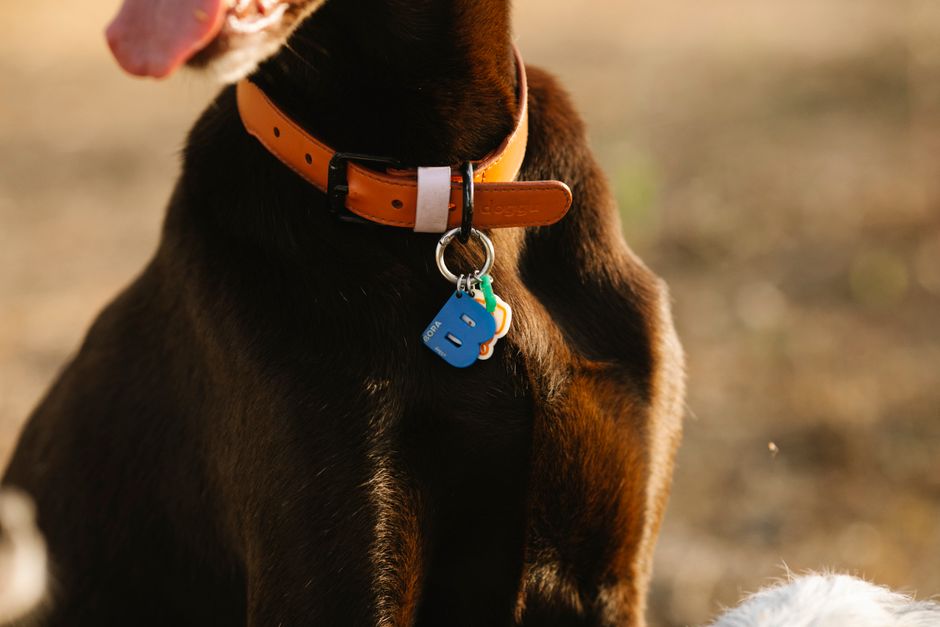
Every dog owner knows that sinking feeling when you realize your beloved pet has slipped out of the yard, bolted after a squirrel, or simply vanished during a walk. In those heart-stopping moments, the only thing standing between a happy reunion and a tragic outcome is a small, often overlooked piece of gear: the collar ID tag. But not all tags are created equal. Traditional engraved metal tags can fade, fall off, or fail to provide enough information for a quick recovery. That’s where the new generation of collar ID tags for dogs steps in—specifically, the waterproof QR code tags offered by Pethna. These innovative tags combine rugged durability with instant digital access to your dog’s profile, making them the most reliable recovery tool on the market today. In this comprehensive guide, we’ll explore why collar ID tags for dogs are essential, how traditional versions fall short, and why Pethna’s QR tags represent the future of pet safety. Whether you’re a first-time puppy parent or a seasoned multi-dog household, understanding the full spectrum of collar ID tags for dogs will help you make the best decision for your four‑legged family member.
Why Traditional Collar ID Tags for Dogs Fail
For decades, the standard collar ID tag for dogs has been a metal or plastic disc with the pet’s name and the owner’s phone number stamped or engraved into it. While this classic approach has reunited countless pets with their owners, it comes with serious limitations that can turn a simple escape into a prolonged crisis. The first and most obvious problem is wear and tear. Metal tags, especially those made from aluminum or brass, are prone to scratching, fading, and becoming illegible after just a few months of exposure to rain, mud, and rough play. A tag that you could read clearly when it was new may become so worn that a person who finds your dog cannot decipher the numbers. That defeats the entire purpose of wearing a collar ID tag for dogs.
Another major failure point is the attachment mechanism itself. Traditional split rings or rivets can loosen over time, especially when the tag catches on bushes, fences, or other dogs’ collars during play. It’s alarmingly common for a tag to simply disappear into the grass or a backyard corner, leaving the dog completely unidentified. Even if the tag stays attached, many people only include a single phone number. If that number is out of service, or if the owner is in a meeting and cannot answer an unknown call, the finder has zero backup options. A collar ID tag for dogs that relies on a single piece of engraved information is a fragile lifeline.
Beyond physical durability, traditional tags suffer from informational limitations. Engraving space is tiny—typically only one or two lines of text. This forces owners to choose between a name, phone number, or perhaps a reward offer. There’s no room to list alternate contacts, medical conditions, or important notes such as “fearful of men” or “needs daily medication.” In an emergency, that missing information can cost precious time. Moreover, many pet owners update their contact details but forget to order a new tag. As a result, the collar ID tag for dogs becomes outdated and useless. Finally, traditional metal tags can be noisy. The clinking and jangling can annoy sensitive dogs and disturb the household, leading some owners to remove the tag altogether—a dangerous gamble. All these drawbacks make a compelling case for upgrading to a smarter, more durable solution.
The Evolution of Collar ID Tags for Dogs: From Metal to Digital
The concept of attaching identification to a dog’s collar is nearly as old as domestication itself. In ancient times, owners used leather or cloth strips with painted symbols. By the late 19th century, metal license tags became common after cities started requiring dog registration. For most of the 20th century, the classic metal disc—often heart‑shaped or round—was the gold standard for collar ID tags for dogs. But as technology advanced, so did the possibilities. The first major upgrade was the introduction of plastic tags with engraved text, which were lighter and quieter but still prone to breaking and fading.
Then came the digital age. Early GPS trackers were bulky, battery‑hungry, and expensive, making them impractical for everyday leash wear. Microchips solved the permanence problem because they are implanted under the skin and cannot fall off, but they are not accessible without a special scanner. That means a Good Samaritan who finds a lost dog cannot immediately identify the owner without taking the animal to a vet or shelter. This gap—between a visible tag and a permanent microchip—created the perfect opportunity for a hybrid solution.
Enter the QR code collar ID tag for dogs. These tags combine the visibility of traditional tags with the depth and flexibility of digital information. A QR code printed on a durable, waterproof material can be scanned by any smartphone camera—no special app required (though some services offer enhanced features with a dedicated app). When scanned, the code redirects to a private online profile that can contain the owner’s name, multiple phone numbers, email, address, veterinary contact, medical alerts, and even a photo of the dog. This evolution from a static piece of metal to a dynamic digital link has fundamentally changed how we think about collar ID tags for dogs.
Today, the best collar ID tags for dogs are not just about identification—they are about recovery speed. The faster a finder can reach an owner, the less chance the dog will wander into traffic, get injured, or be taken far away. Digital profiles also allow owners to update their information instantly after moving or changing phone numbers, without needing to buy a new tag. Pethna has taken this evolution a step further by engineering a tag that is not only waterproof but also scratch‑resistant, fade‑proof, and designed to stay attached through even the toughest adventures. The days of worrying whether a worn‑out tag will still work are over.
Key Features to Look for in Modern Collar ID Tags for Dogs
When you start shopping for a collar ID tag for dogs, the sheer number of options can be overwhelming. But if you focus on a few critical features, you can quickly narrow down the choices and select a tag that will truly protect your pet. The first and most important attribute is water resistance—or better yet, complete waterproofing. Dogs splash through puddles, swim in lakes, and get caught in rainstorms. A tag that is not fully waterproof will eventually delaminate, rust, or become unreadable. Look for tags made from materials like stainless steel, anodized aluminum, or high‑grade silicone that can withstand full submersion without damage. Pethna’s tags, for instance, are rated IP68, meaning they can be submerged in up to 1.5 meters of water for 30 minutes without any functional loss.
Durability goes hand in hand with waterproofing. A collar ID tag for dogs needs to survive being chewed, dragged through gravel, scratched against walls, and knocked against water bowls. The print or engraving should be laser‑etched or embedded into the surface, not just screen‑printed on top. UV resistance is also vital—sun exposure can turn a black QR code into an unreadable blur within months if the tag isn’t protected. Always check customer reviews for reports of fading or scratching after a few weeks of use.
Another essential feature is the attachment system. The best collar ID tags for dogs use a sturdy, rust‑proof split ring or a rubberized grommet that stays securely fastened while still allowing the tag to rotate freely. Some designs incorporate a silicone sleeve that wraps around the collar itself, eliminating dangling metal entirely. This reduces noise and prevents the tag from catching on branches or other objects. Pethna’s design uses a reinforced stainless‑steel ring paired with a slim, smooth shape that slides easily along the collar without snagging.
Of course, the QR code itself must be reliable. The code should be large enough to scan quickly, printed with high contrast, and include a short URL that loads even on slow mobile networks. Many budget tags use cheap printing that smudges or peels after a few weeks. Pethna uses industrial‑grade laser engraving that remains crisp and scannable for years. Additionally, the backend platform—the online profile—should be private and secure, requiring no personal information beyond what you choose to share. Look for a service that offers free profile edits and lifetime support. Finally, consider the tag’s weight and size. A bulky tag can irritate a small dog’s neck, while a tiny tag may be hard for a finder to locate. The ideal collar ID tag for dogs balances visibility with comfort. Pethna offers multiple sizes to suit every breed, from Chihuahuas to Great Danes.
15-day free trial — No commitment
All premium features unlocked. No credit card required. Protect your pet in 2 minutes.
Try free for 15 daysHow QR Code Collar ID Tags for Dogs Work
If you have never used a QR code tag before, you might wonder exactly how the technology functions. It is surprisingly simple, and that simplicity is what makes it so effective. When a person finds a lost dog, the first thing they will likely do is look at the tag hanging from the collar. With a traditional tag, they would try to read engraved text, which may be faded, dirty, or written in a small font. With a QR code tag, they simply take out their phone, open the camera app (no separate app needed), and point it at the code. Most modern smartphones automatically recognize a QR code and display a notification with a link. Tapping that link opens the dog’s unique profile page—all in under ten seconds.
That profile page is where the magic happens. Unlike a static metal tag, the digital profile can hold an unlimited amount of useful information. At a minimum, it should display the dog’s name, a primary contact number, and a polite request to call or text. Many pet owners also add a secondary contact, a veterinarian’s number, and a note about any medical issues. For example, if the dog has diabetes and requires immediate insulin, that information can be included. If the dog is deaf or blind, a note can help the finder approach safely. Some profiles even allow for a photo of the dog, which can help the finder confirm they have the right animal, especially if two dogs look similar.
The owner can update this profile anytime using a password‑protected account. This is a huge advantage over traditional collar ID tags for dogs, because life changes—you move to a new city, get a new phone number, or adopt a second dog. Instead of ordering a new tag and waiting for it to arrive, you simply log in to Pethna’s dashboard and edit your information. The tag itself never needs to be replaced unless it gets physically lost or damaged. And because the profile is stored on cloud servers, it remains accessible 24/7, even if the finder has no cellular signal—the profile page can be loaded if the phone has any internet connection, or the QR code can embed a direct phone number as a fallback.
Pethna takes it a step further by including GPS location capture on the profile. When a finder scans the QR code, the page automatically records their approximate location (with their permission) and sends a notification to the owner. This gives you immediate awareness of where your dog was found, which is crucial for directing your search efforts. The entire process is designed to be as frictionless as possible, because every second counts when a pet is missing. By turning a simple collar ID tag for dogs into a digital recovery system, Pethna dramatically increases the odds of a safe, speedy reunion.
Real-Life Scenarios: How Pethna’s Tags Save Dogs
To truly appreciate the value of a high‑quality collar ID tag for dogs, it helps to see how the technology performs in real‑world situations. Consider the case of Bella, a two‑year‑old Labrador Retriever who slipped her harness during a walk near a busy street. Her owner, Sarah, immediately searched but lost sight of Bella in a wooded area. A neighbor found Bella an hour later, cowering under a porch. The neighbor noticed a small, sleek tag on Bella’s collar with a QR code. She scanned it with her phone, and within seconds she saw Bella’s photo, Sarah’s cell number, and a message stating that Bella is friendly but terrified of loud noises. Sarah answered the call instantly, and within fifteen minutes mother and dog were reunited. The tag never had to be engraved with a phone number that could become outdated; the QR code handled everything.
Another example involves Max, an adventurous Beagle who loves to dig under fences. Max’s owners had tried multiple traditional collar ID tags for dogs, but they kept getting snagged on the fence or falling off during his digging escapades. They switched to Pethna’s low‑profile silicone tag with a reinforced stainless ring. Months later, Max slipped out during a thunderstorm and ran into a neighborhood two miles away. A family found him curled up in their garage. They scanned the tag, saw that Max was diabetic and needed insulin within six hours, and immediately called the emergency contact listed. Because the profile included a veterinarian’s number as backup, the family was able to coordinate with the vet even before reaching the owner. Max was safely returned the same day, thanks to the detailed medical alert that no traditional tag could have conveyed.
Pethna’s tags also shine in overseas travel scenarios. A couple from Australia took their small terrier, Charlie, on a vacation to the United States. While walking near a beach, Charlie was spooked by a wave and ran off. The couple’s cell phones were not working due to international roaming issues, but Charlie’s Pethna tag contained both their Australian mobile and a backup email address. A lifeguard scanned the code, saw the email contact, and sent a quick message. The couple accessed a Wi‑Fi hotspot and received the alert. Within an hour they were reunited, and the tag had prevented what could have been a disaster in a foreign country. These stories underscore why modern collar ID tags for dogs must be more than a piece of metal—they need to be a complete communication tool.
Choosing the Right Collar ID Tags for Dogs: Material, Design, and Durability
When you evaluate different collar ID tags for dogs, the material is the foundation of everything. Stainless steel is the industry gold standard because it resists rust, corrosion, and physical wear far better than aluminum or brass. However, not all stainless steel is the same—look for surgical‑grade 316L, which is used in marine and medical applications because it can withstand saltwater and chlorinated environments. Pethna uses 316L stainless steel for its premium tags, ensuring they remain pristine even after years of exposure to rain, sweat, and swimming.
Design also plays a crucial role. A tag that is too thick or too large can weigh down a small dog’s collar and cause neck strain. On the other hand, a tag that is too tiny may be overlooked by finders. The best collar ID tags for dogs strike a balance: they are large enough to be seen clearly but thin enough to remain comfortable. Pethna offers three sizes: Mini (for dogs under 10 lbs), Standard (for dogs 10–60 lbs), and Large (for dogs over 60 lbs). Each size has a proportional QR code that is easy to scan. Additionally, the tags come in a sleek, rounded shape that reduces the chance of catching on objects.
The attachment method can make or break a tag’s usability. Many pet owners have experienced the frustration of a lost tag because the split ring opened. Look for tags that use a closed‑loop system or a locking split ring. Pethna’s tags feature a custom‑designed ring with a tight tolerance that requires a tool to open—virtually impossible for a dog to shake loose. For dogs that frequently tangle their tags, consider a slide‑on silicone sleeve that loops around the collar webbing itself. This eliminates dangling entirely and makes the tag silent. Pethna offers this option as an accessory, and it is particularly popular for active breeds like shepherds and huskies who run and play hard.
Finally, do not overlook the importance of the QR code’s quality. A poorly printed code can become unreadable if scratched, bent, or faded. Choose a tag where the QR code is laser‑etched into the metal or embedded into the silicone, not printed on the surface. Pethna uses a permanent laser engraving process that creates a contrast that is resistant to scratching, UV, and chemical exposure (like flea treatments or pool chlorine). You can even run the tag through a dishwasher cycle without harming the code. This level of durability ensures that your collar ID tag for dogs will function perfectly for the entire life of the tag, not just the first few months.
Frequently Asked Questions About Collar ID Tags for Dogs
1. Are QR code collar ID tags for dogs really better than traditional engraved tags?
Yes, for several reasons. Traditional engraved tags are limited to a few lines of text that can wear off or become outdated. QR code tags, like those from Pethna, allow you to store unlimited information—multiple phone numbers, medical alerts, photos, and alternate contacts. The digital profile can be updated instantly if you move or change numbers, and finders can access it with any smartphone without needing a special app. Additionally, QR tags are often more durable because the code is etched into the material, not stamped into a soft surface. While a traditional tag can still work in a pinch, the digital version offers superior speed, flexibility, and reliability.
2. Will the QR code wear off over time, especially if my dog swims a lot?
Not if you choose a high‑quality tag. Many cheap QR tags use screen‑printing or thin adhesive laminates that peel or fade quickly. Pethna’s tags use industrial laser engraving that physically alters the metal surface to create the QR code. This engraving is permanent and will not fade, scratch off, or wash away, even with repeated exposure to water, mud, and sunlight. The tag is also tested to IP68 waterproof standards, meaning it can be fully submerged for extended periods without damage. So, yes, a well‑made QR tag will outlast most traditional tags by a wide margin.
3. Can someone misuse the QR code to find out private information about me or my dog?
No. When you create a profile on Pethna’s platform, you control exactly what information is displayed. The finder will only see the details you choose to share—typically your pet’s name, your phone number, and possibly a medical note. Your home address is not shown unless you deliberately add it. Additionally, the profile is not indexed by search engines, so random strangers cannot stumble upon it. Pethna also uses HTTPS encryption for all profile pages, ensuring that data transmitted between the finder’s phone and the server is secure. You can further protect your privacy by using a secondary phone number or email address that is not your primary personal line.
4. What happens if the finder doesn’t have a smartphone or internet connection?
Although this scenario is increasingly rare (over 85% of adults worldwide own a smartphone), Pethna includes a fallback system. The tag itself has a small engraved text area next to the QR code where you can print a short message like “If no scanner, call [number].” Moreover, Pethna’s QR code can be configured to encode a phone number directly, so even a basic phone with a camera app can place a call. If the finder has no smartphone at all, the traditional engraved text on the tag still gives them a number to call. This hybrid approach ensures that your collar ID tag for dogs works in every possible situation.
Why Pethna Is the Ultimate Solution for Collar ID Tags for Dogs
After exploring the limitations of traditional tags and the transformative power of QR technology, one brand rises consistently to the top: Pethna. Pethna has designed its collar ID tags for dogs with a single mission—to get lost pets home faster. Every aspect of the tag, from the choice of 316L stainless steel to the laser‑engraved QR code and the secure locking ring, is engineered for maximum durability and reliability. But what truly sets Pethna apart is the comprehensive platform behind the tag.
First, the digital profile is incredibly user‑friendly. You can set it up in under two minutes through the Pethna website or mobile app. There are no subscription fees—one tag purchase includes lifetime access to profile editing and finder notifications. When a tag is scanned, you receive an immediate SMS and email alert with the GPS‑sourced location of the scan, helping you pinpoint where your dog was found. You can add up to five emergency contacts, so if you cannot answer, another trusted person can be reached.
Second, Pethna offers unmatched customization. You can choose from multiple tag shapes, colors, and sizes to match your dog’s personality. Want a bright orange tag for visibility? A black stealth tag? A pastel pink for a princess pup? All options are available. You can also add a custom message on the back, such as “I’m deaf, please approach slowly.” This flexibility ensures that your collar ID tag for dogs serves both as a safety device and a fashionable accessory.
Third, Pethna stands behind its product with a robust warranty and customer support. Each tag comes with a 100% satisfaction guarantee and a replacement policy if the tag ever fails to scan due to manufacturing defects. Thousands of pet owners have already shared heartwarming reunions made possible by Pethna tags, and the brand actively collects feedback to improve its product continuously.
Finally, Pethna’s commitment to global pet safety is evident in its online community and educational resources. The blog and help center provide tips on preventing lost pet scenarios, training your dog to stay close, and what to do immediately if your dog goes missing. By investing in a Pethna collar ID tag for dogs, you are not just buying a piece of hardware—you are joining a movement that prioritizes quick, compassionate reunions over outdated methods. For any dog owner who truly cares about their pet’s safety, Pethna is the ultimate, no‑compromise solution.
---