Dog Name Tags for Collars: Why Waterproof QR Tags Are the Future of Pet Safety
Discover why traditional dog name tags for collars fall short and how Pethna's waterproof QR code tags provide instant, updatable contact info to reunite you with your lost pet faster.
Every year, millions of pets go missing. In the panic of separation, a simple ID tag on your dog’s collar becomes the most critical link between your furry friend and a safe return home. But not all dog name tags for collars are created equal. Traditional engraved metal tags can fade, scratch, or even fall off entirely, leaving your pet unidentified. Worse, they often only display a phone number—what happens if you’re unreachable or if your contact info changes? That’s where smart technology steps in. Pethna offers a breakthrough: waterproof, tamper-proof QR code tags that store all your updated contact details in one scannable chip. No more reordering tags every time you move. No more illegible engravings after months of wear. In this comprehensive guide, we’ll dive deep into what makes the perfect dog name tag for collars, why traditional options often fail, and how Pethna’s QR-powered tags are revolutionizing pet recovery. Whether you’re a new puppy parent or a seasoned pet owner looking for an upgrade, this article will equip you with everything you need to know to keep your dog safe.
Why Traditional Dog Name Tags for Collars Fail
For decades, pet owners have relied on standard engraved metal or plastic tags attached to collars. While these classic dog name tags for collars serve a basic purpose, they come with a laundry list of flaws that can jeopardize your pet’s safety. Understanding these shortcomings is the first step toward making a smarter choice.
First, consider durability. Traditional tags are often made from brass, stainless steel, or plastic. Over time, the constant rubbing against fur, water exposure during swims or rainy walks, and daily wear cause engravings to become shallow and unreadable. Have you ever tried to read a scratched, faded tag on a lost dog? It’s nearly impossible. Even high-quality metal tags can develop deep scratches that obscure the phone number, rendering them useless when it matters most.
Second, traditional tags rely on static information. Once you order a tag with your phone number and address, that data is permanently etched. If you move, change your phone number, or get a new emergency contact, you must order a brand new tag—and wait for it to arrive. In the meantime, your dog wears an outdated tag that could lead a Good Samaritan to a disconnected line or wrong address. This is particularly dangerous because lost pets often need immediate contact; delays of even minutes can mean the difference between a reunion and a tragic outcome.
Third, the attachment method is a major weak point. Most traditional tags hang from a split ring or a small hook. These rings can snap open under pressure, especially if your dog plays rough or gets caught on a fence. Additionally, the dangling tag can be annoying to your dog, causing them to shake their head repeatedly, which loosens the attachment. Many owners have reported finding the collar still around the dog’s neck—but the tag is gone. For a pet that relies entirely on that tag for identification, losing it means losing their voice.
Finally, consider readability under stress. When a stranger finds a scared, wandering dog, they may not have the time or patience to squint at tiny engraved letters. If the tag is dirty, wet, or bent, the information becomes inaccessible. These failures explain why traditional dog name tags for collars have a shockingly low recovery rate compared to modern alternatives. The industry is overdue for an upgrade.
The Critical Features of a High-Quality Dog Name Tag
Choosing the right dog name tag for collars requires more than picking a cute shape or color. A truly effective tag must combine durability, clarity, and smart functionality. Whether you opt for a traditional engraved tag or a modern QR-based solution like Pethna, understanding these core features will help you make an informed decision.
Waterproofing is non-negotiable. Dogs swim, play in rain, and drink from puddles. A tag that isn’t fully waterproof can have its ink or electronic components damaged, making it illegible or non-functional. For QR code tags, this is especially critical because the scanner must read the surface clearly. Pethna’s tags are engineered with a sealed, UV-resistant coating that withstands submersion, mud, and snow, ensuring the QR code remains scannable even after a dip in the lake.
Durability against impact and scratching is another must. The tag should be able to withstand being dragged across pavement, colliding with dog bowls, and being chewed or batted by a playful pet. Hard anodized aluminum or surgical-grade stainless steel are excellent materials. Avoid cheap plastic that cracks easily. A quality tag should last for years, not months.
Readability in all conditions is paramount. For engraved tags, deep, laser-etched text with high contrast (e.g., black lettering on silver) works best. For QR tags, the code must be printed at high resolution with proper error correction so that even a partially damaged or dirty code can still be scanned. Pethna uses advanced printing technology to ensure the code remains readable even after hundreds of scans.
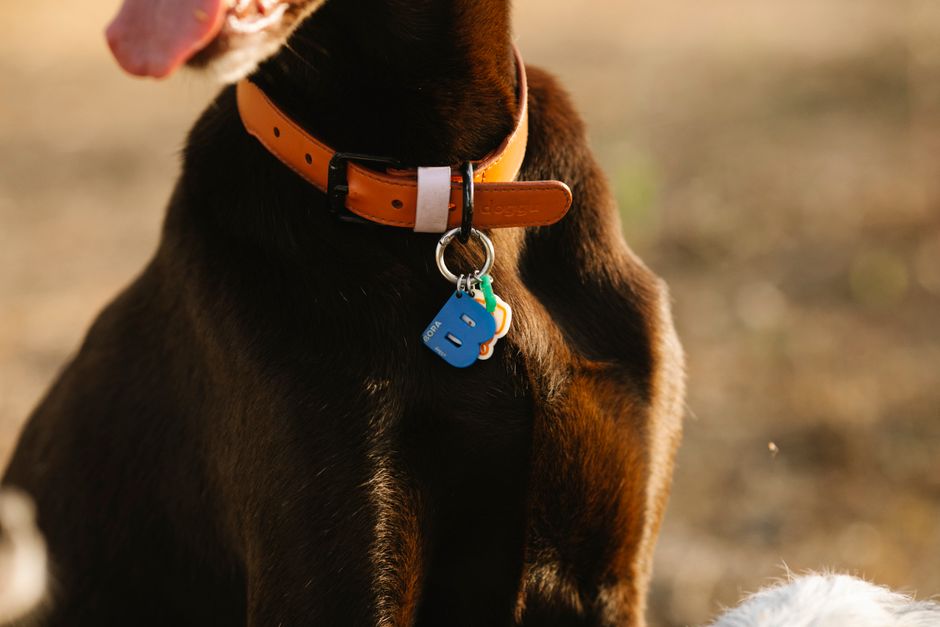
Attachment security cannot be overlooked. A strong, rust-proof split ring or a silicone slip-on mount that grips the collar firmly prevents accidental loss. Some tags feature a recessed hole that reduces wear on the ring. The best designs also allow the tag to lie flat against the collar, minimizing snagging and noise.
Updatability is the game-changer offered by QR tags. Unlike static engraving, a QR tag linked to a digital profile lets you change your phone number, add a second contact, or upload medical notes instantly. This feature alone makes smart tags vastly superior to traditional ones. If you travel with your dog, you can even update your current location—something impossible with fixed metal tags.
Size and weight also matter. A bulky tag can irritate small dogs, while a tiny tag might be hard to read. Aim for a tag that is large enough to display information clearly but light enough not to burden your pet. For QR tags, a smaller size works because the code itself is compact—no need to fit multiple lines of tiny text.
How QR Code Technology Revolutionizes Pet Recovery
The leap from engraved metal to QR code technology is not just a gimmick—it’s a fundamental shift in how we handle lost pet emergencies. QR code dog name tags for collars, like those from Pethna, turn a passive ID into an active, digital safety net that works seamlessly with modern smartphones.
When a lost dog is found, a Good Samaritan simply scans the QR code with their phone camera. Most smartphones now have built-in QR readers in the default camera app. No app download, no account creation, no friction. Within seconds, they are directed to a secure webpage (or directly to a phone dialer) that displays your pet’s name, your contact number, and optional information like medical alerts or "reward offered." This immediate connection dramatically increases the chance of a quick reunion.
Unlike traditional tags, a QR code can hold an unlimited amount of information. You can list multiple phone numbers (home, work, spouse, vet), include a secondary emergency contact, note that your dog is diabetic or has seizures, or even add a short bio that helps the finder approach the animal safely. All this is hosted online, so you never have to cram text onto a tiny piece of metal.
Another revolutionary aspect is the ability to update your information in real time. Move to a new city? Change your mobile number? Simply log into your Pethna account and edit your pet’s profile. The QR code on the tag stays the same; the data behind it refreshes instantly. This eliminates the hassle and cost of reordering tags every time your life changes. For foster parents, travelers, or owners of recently adopted pets, this flexibility is priceless.
QR tags also offer a layer of privacy. Traditional tags often display your home address publicly, which can be a security risk, especially if a dishonest person finds the tag and knows you’re not home. With a QR code, the finder only sees what you decide to show: typically a phone number and the pet’s name. Your full address can be hidden until you speak with the finder. This simple but powerful feature protects your family while still enabling recovery.
Finally, the data behind QR tags can include timestamped scan logs. Pethna’s dashboard notifies you each time your tag is scanned, along with the approximate location (based on the scanner’s IP). This means you know someone has found your pet and can act immediately—even before they call. Combined with microchipping, QR tags provide the fastest, most reliable recovery system available today.
15-day free trial — No commitment
All premium features unlocked. No credit card required. Protect your pet in 2 minutes.
Try free for 15 daysWhat to Look for When Choosing Dog Name Tags for Collars
With so many options on the market, selecting the right dog name tags for collars can feel overwhelming. To cut through the noise, focus on five critical factors: material, attachment, readability, technology, and warranty. Each plays a role in how well the tag performs when it counts.
Material matters for longevity. Laser-engraved stainless steel is tough and corrosion-resistant, but it can be heavy. Hard anodized aluminum offers a lightweight alternative with similar scratch resistance. Avoid tags that are simply painted or printed on the surface, as the print will wear off quickly. For QR tags, the substrate must be durable enough to protect the code. Pethna uses a bonded polycarbonate overlay that shields the QR from scratches while remaining clear for scanning.
Attachment style affects retention. The classic split ring is still popular, but many owners now prefer a silent, snug mount that slides onto the collar. These silicone or rubber mounts hold the tag flat against the collar, eliminating jingling noises and reducing the chance of the tag catching on objects. However, they can shift over time, so ensure the mount is tight. Other options include rivet-on tags that become permanent, though these require drilling or sewing.
Readability is not just about print size. Even a large tag becomes unreadable if the contrast is poor or the font is fancy. Stick to high-contrast combinations like black text on silver or white background. For engraved tags, a deep, clean cut is essential. For QR tags, the code must be printed with enough quiet zone (white space around it) to allow scanners to detect it. Test scanning with your own phone before buying—if it struggles, discard that option.
Technology adds value but requires trust. Not all QR code tags are equal. Some link to generic landing pages that require a finder to download an app, which creates friction and reduces response rates. Choose a provider like Pethna that hosts a simple, mobile-optimized page that works without app downloads. Also, ensure the backend platform allows unlimited updates and provides scan alerts.
Warranty and customer support separate great products from mediocre ones. A tag is an investment in your pet’s safety. Look for a manufacturer that stands behind its work, offering a replacement if the tag fails or if the QR becomes unscannable. Pethna’s tags come with a worry-free guarantee because we know the technology works.
Finally, consider your dog’s lifestyle. A tag for a tiny Chihuahua should be smaller and lighter than one for a large Labrador. A high-energy breed that runs through brush needs a mount that won’t snag. Think about where you live: humid climates demand rust-proof materials, while cold climates require tags that stay flexible (plastic can crack in freezing conditions). The perfect tag is one that you never have to think about—because it just works.
Step-by-Step Guide to Setting Up Your Pethna QR Tag
Transitioning from a traditional tag to Pethna’s smart QR dog name tags for collars is simple. Here’s how to get started in less than five minutes.
Step 1: Order your tag. Visit pethna.com and choose the tag size and color that best suits your dog. Each tag comes with a unique QR code already embedded. During checkout, you’ll be prompted to create an account—this is where you’ll manage your pet’s profile.
Step 2: Activate your tag. Once your tag arrives, go to pethna.com/activate and enter the unique code printed on the back of the tag (or simply scan it with your phone). This links the physical tag to your digital profile.
Step 3: Complete your pet’s information. In your dashboard, fill in your dog’s name, primary phone number, and any secondary contacts. Optionally add medical notes, a reward offer, or a brief behavioral description (e.g., “Timid around men—please approach slowly”). You can also upload a photo of your dog; this helps finders confirm identity.
Step 4: Attach the tag to your dog’s collar. Pethna tags come with a split ring. Thread the ring through the collar loop or attach it to a D-ring. For a quieter option, purchase the silicone slider mount that holds the tag flat against the collar. Ensure the ring is fully closed; a simple twist-tie or extra ring can add security.
Step 5: Test the scanning. Use your own phone to scan the QR code. You should be redirected to your pet’s profile page. If it doesn’t work, check for fingerprints or oil on the surface—wipe clean. Confirm that the displayed phone number is correct.
Step 6: Update as needed. Anytime your contact details change, log into your Pethna account and edit. The tag itself never needs replacement. For extra safety, enable “Scan Alert” notifications, so you get a text or email whenever someone scans your dog’s tag.
That’s it. No complicated apps for the finder to download. No batteries to replace. A Pethna tag works for your dog’s entire life, providing peace of mind that you’re always reachable.
Real Stories: How Smart Tags Saved Pets
The true measure of any dog name tag for collars is how it performs in a crisis. Here are three real-world examples—based on Pethna customer experiences—that demonstrate the power of QR identification.
Bella’s Great Escape: A Cross-Country Reunion. Bella, a 3-year-old golden retriever, slipped her harness during a family hike in Colorado. Her owners searched frantically for hours. Meanwhile, a family two towns over spotted Bella wandering near a highway. They scanned her Pethna tag, which immediately displayed the owner’s mobile number. The call came at 9 p.m., and within 30 minutes, Bella was safely home. Later, the owners realized that if Bella had worn a traditional tag with their old phone number (they had recently moved), the finder might never have reached them. The updatable QR tag was the difference.
Max’s Medical Emergency. Max, a senior Labrador with diabetes, went missing during an afternoon storm. A woman found him hiding under a porch and scanned his tag. The page not only showed contact info but also a medical alert: “Requires insulin within 12 hours.” The finder called the owner immediately, who picked up Max just in time for his injection. The vet later said that without the tag providing both contact and medical history, Max’s outcome could have been fatal.
Chloe’s Adventure in a Foreign Country. While vacationing in France, the Johnson family’s dachshund, Chloe, was spooked by a moped and ran into a park. A local jogger saw the dog’s Pethna tag and scanned it. The profile listed both the owner’s US mobile number and the hotel’s address. Within minutes, the owner received a scan notification with a GPS approximation showing Chloe was less than a mile away. They were reunited before dinner. Traditional tags would have been useless—they only had a foreign emergency contact that was out of service.
These stories aren’t anomalies. They represent the thousands of pets who have been returned home thanks to a simple scan. The common thread: QR tags remove barriers to action. No squinting at small text, no need to decipher a scratched number, no language barrier (the finder simply sees the phone number to call). Smart tags turn every smartphone into a rescue tool.
Frequently Asked Questions About Dog Name Tags for Collars
1. Are QR code tags durable enough for active dogs?
Absolutely. Pethna’s QR tags are made from a scratch-resistant polycarbonate composite with a sealed surface that withstands water, mud, and daily wear. They have been tested to over 10,000 scans without degradation. The tag is also designed to be lightweight so it doesn’t interfere with your dog’s movement. For extra security, we recommend pairing the tag with a silicone collar mount that holds it flat, preventing snagging.
2. Can I update my contact information after the tag is made?
Yes—this is one of the biggest advantages of QR tags over traditional dog name tags for collars. As soon as you log into your Pethna account, you can edit your phone number, address, medical notes, or emergency contacts. The changes take effect instantly. No need to buy a new tag or wait for shipping. This is ideal for people who move frequently, adopt new pets, or change phone numbers.
3. Does the finder need to download an app to scan the tag?
No. Every modern smartphone (iPhone and Android) comes with a built-in QR code reader within the camera app. The finder simply opens their camera, points it at the tag, and a notification link appears. Clicking the link opens your pet’s profile in a secure, mobile-friendly web page. No downloads, no registrations, no barriers. This frictionless experience is key to quick recovery.
4. Is Pethna’s tag compatible with international travel?
Yes. QR codes are universal and language-independent. Your pet’s profile can include multiple phone numbers (with country codes) and can be customized to show information in different languages if needed. Since the scan goes to a URL, the finder only needs to tap to call. Pethna’s platform also supports geolocation for alert notifications, so you know where your pet was found, even abroad.
Why Pethna Is the Ultimate Solution for Your Dog’s Safety
After evaluating every aspect of dog name tags for collars—from material durability to smart features—one conclusion stands clear: Pethna’s waterproof QR code tag offers the best combination of reliability, convenience, and safety. It’s not just a tag; it’s a complete lost-pet recovery system.
Traditional tags are static. They break, fade, and become outdated. Pethna’s tag is dynamic. It evolves with your life. Your phone number changes? Update it online. Your dog develops a medical condition? Add a note instantly. You move to a new city? The tag stays the same but points to your new location. This flexibility alone makes Pethna superior.
Moreover, Pethna understands the psychology of a Good Samaritan finder. Faced with a scared, lost dog, most people want to help but don’t know how. A dangling metal tag with small engraving can be impossible to read in the rain. A QR code, on the other hand, invites an immediate, intuitive action: scan. It removes the hesitation and makes the rescuer part of the solution. Our platform is optimized for smartphones, loads in under a second, and presents a clean call-to-action: “Call to reunite this pet.”
Durability is another cornerstone. Pethna tests its tags under extreme conditions: submersion in saltwater, freezing temperatures, even being run over by a car (yes, we checked). The QR code remains scannable. We back this with a satisfaction guarantee because we know our product works.
Finally, Pethna offers a community of pet lovers. Every time you use the tag, you’re part of a network dedicated to reducing lost pet incidents. Our blog, social media channels, and customer support team provide ongoing education about pet safety.
When you choose Pethna for your dog name tags for collars, you’re not just buying a piece of printed plastic. You’re buying peace of mind. You’re buying a system that ensures that no matter where your dog wanders, he or she always has a ticket home. Visit pethna.com today and equip your canine companion with the smartest ID on the market. Because every dog deserves a safe return.