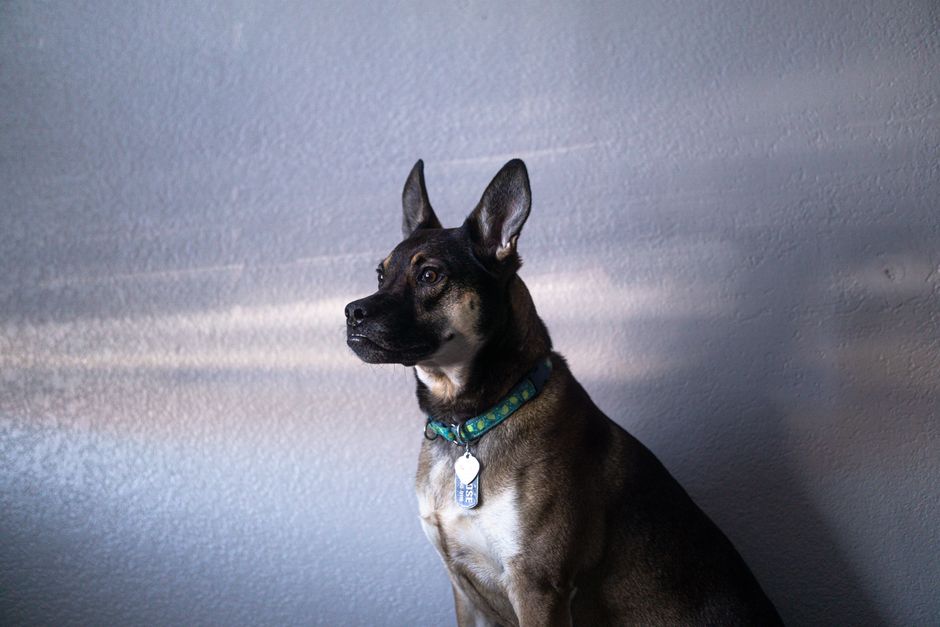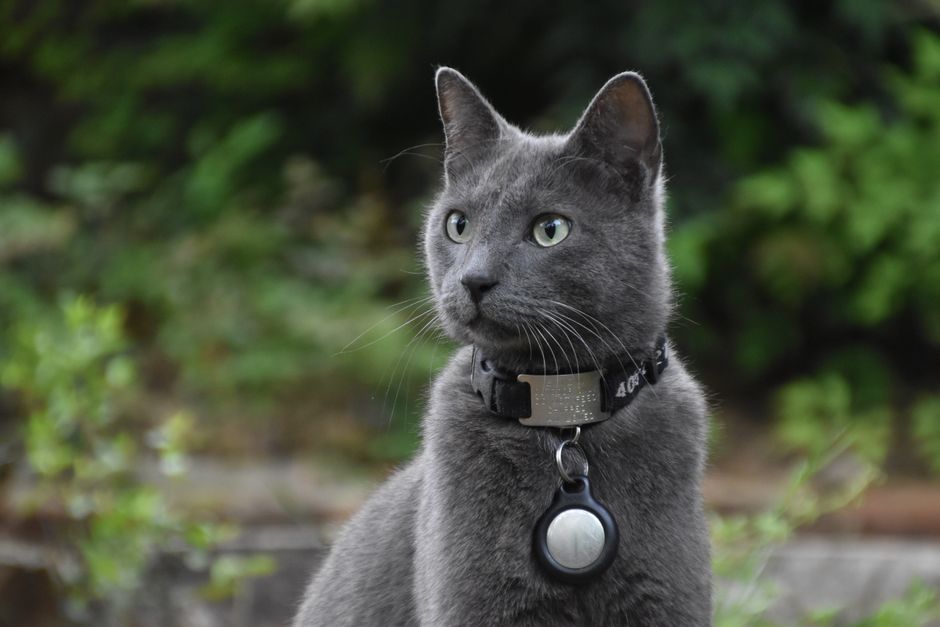
Why Personalized Pet Tags Are More Critical Than You Think (2026 Guide)
Discover why personalized pet tags are the single most effective way to get your lost pet home safely. This guide covers material science, custom content strategy, and the game-changing power of QR code integration.
Introduction
Few things strike more fear into a pet owner’s heart than the moment a collar comes back empty. The jingle of tags is gone, the backyard gate is ajar, and your furry family member is nowhere in sight. According to the American Humane Association, one in three pets will go missing at some point in their lifetime. That statistic is sobering, but it doesn't have to end in tragedy. The difference between a happy reunion and a heartbreaking loss often comes down to one small, unassuming accessory: a personalized pet tag. A proper tag is more than just decoration; it is a lifeline. It is the first thing a Good Samaritan, a neighbor, or an animal control officer looks for. Yet, many pet owners still rely on generic tags that are hard to read, prone to fading, or missing critical details. In this comprehensive guide, we will explore why investing in a high-quality personalized pet tag is one of the most important decisions you can make for your companion's safety. We will dive deep into the materials, the data you need to include, the evolving role of technology, and why Pethna's innovative QR code solution surpasses every other option on the market. If you care about your pet's safe return, you need to read every word that follows.
The Hidden Danger of Outdated Tags
The Illusion of Security
Many pet owners assume that a simple tag with a name and a phone number is enough. While it is better than nothing, this basic approach creates a false sense of security. Traditional stamped tags often use thin aluminum or brass that can wear down over time. After months of jingling against a water bowl, rubbing against a crate, or scraping through underbrush, the lettering can become illegible. A tag that was readable the day you bought it may be completely unreadable by the time your pet needs it most. This gradual degradation is silent; you do not notice it happening until it is too late. A personalized pet tag that cannot be read is no tag at all.
The Problem of Outdated Information
Another critical flaw with traditional tags is the difficulty of updating them. Pet owners move, change phone numbers, or update their emergency contacts. With a classic engraved or stamped tag, updating information means buying a completely new tag. This friction often leads to procrastination. Months go by, the old phone number remains on the tag, and the collar still jingles with outdated, useless data when a lost pet is found. In a crisis, the finder tries to call the old number, gets a disconnected message, and the pet's chances of a reunion drop dramatically. A truly effective personalized pet tag must be as dynamic as your life is.
Why Collar Attachments Fail
Let us also address the physical attachment. Many tags are held on by a simple split ring that can bend or break. Others are riveted to collars, making them impossible to transfer if you change collars or sizes. A lost tag is as good as no tag at all. The industry standard has remained stagnant for decades, but the stakes have never been higher. The rise of urban environments, increased traffic, and more complex travel patterns mean that a lost pet has a thinner margin for error. A personalized pet tag must be built to last, built to be read, and built to be updated instantly.
False Confidence from Microchips
Some pet owners skip tags entirely, relying solely on microchips. While microchips are an excellent backup, they are a passive technology. A microchip can only be read by a specialized scanner that most people do not carry. If a Good Samaritan finds your dog in the park, they cannot scan the chip. They look for a tag. Relying on a microchip alone ignores the critical first hours of a pet being lost. A personalized pet tag is the immediate, visible solution that bridges the gap until professional help or a shelter gets involved.
Why Material Matters for Long-Term Durability
The Enemy: Water, Rust, and Fading
Not all metals are created equal. Lower-quality tags often use base metals that corrode when exposed to water. Rain, puddles, and even a sloppy drink from the water bowl can cause rust to form on the tag's surface. Rust not only makes the text unreadable but also weakens the physical structure of the tag over time. Similarly, the engraving process itself can vary. Laser engraving is superior because it burns the text deep into the metal, making it resistant to wear. Stamped or embossed tags simply press the surface, leaving a raised edge that wears down with friction. When evaluating personalized pet tags, laser engraving on stainless steel or surgical-grade aluminum is the gold standard.
Stainless Steel vs. Aluminum vs. Brass
Stainless steel is the most durable choice for a personalized pet tag. It is resistant to rust, extremely hard, and nearly impossible to bend or break under normal use. However, it can be heavier, which is a concern for small cats or toy breeds. Aluminum is lightweight and corrosion-resistant, making it a solid choice for smaller pets, but it scratches more easily and can wear down faster. Brass and copper tags are aesthetically pleasing but prone to tarnishing and can cause allergic reactions on sensitive skin. For a product that must live outdoors on a moving, active animal, the material choice directly impacts how long the tag remains functional.
The Silent Failure of Coated Tags
Some manufacturers apply a clear coating over tags to protect the engraving. This coating can peel, chip, or yellow over time, especially with exposure to sunlight (UV rays). Once the coating fails, the engraving underneath is exposed to the elements and degrades rapidly. A premium personalized pet tag should not rely on coatings for legibility. The text should be physically engraved into the substrate, not printed on top of it. Pethna tags use deep laser engraving that forms an indelible mark within the material itself, ensuring the information remains crisp for the life of the tag.
The Importance of Smooth Edges
Durability is not just about the tag itself; it is also about safety for your pet. Tags with sharp edges can catch on carpet, furniture, or even your pet's own fur, causing injury or discomfort. High-quality personalized pet tags are machined with rounded, polished edges that reduce the risk of snagging. This attention to detail matters because a tag that is uncomfortable will often be removed by the owner, defeating its entire purpose. The tag must be durable enough to stay on, yet gentle enough to be worn daily without issue.
15-day free trial — No commitment
All premium features unlocked. No credit card required. Protect your pet in 2 minutes.
Try free for 15 daysWhat Information Should You Put on a Personalized Pet Tag?
The Non-Negotiables: Name and Phone Number
The most critical piece of information on any personalized pet tag is a current, reachable phone number. This may seem obvious, but it is worth emphasizing. List a number that you answer even from unknown callers. Avoid listing a work number that goes to voicemail without a ring. A mobile phone number is best. Adding your pet's name is also important. Seeing a name on a tag allows a finder to call the pet by name, which can help calm a frightened animal and facilitate a safe capture. It also personalizes the interaction, making the finder more likely to invest effort into the reunion.
Secondary Contact: A Trusted Backup
What if you are in a meeting, on a flight, or in a dead zone when your pet is found? Always include a secondary phone number. This could be a spouse, a roommate, a neighbor, or a trusted friend who knows how to reach you. This simple redundancy can be a lifesaver. If the first number is unreachable, the second contact can coordinate the rescue and ensure your pet is safe until you can respond. A personalized pet tag with two phone numbers dramatically increases the chances of a successful return within the first hour.
City and State (But Not Your Full Address)
Including your full street address on a tag is a debated topic. On one hand, it helps a finder return the pet directly to your home if they are nearby. On the other hand, it provides a stranger with your exact location when you are potentially not home. A safer compromise is to list your city and state. This helps the finder understand if the pet is local and allows them to contact you for specific directions if needed. It also helps animal control know which jurisdiction to contact. For privacy-conscious owners, the city and state strike a perfect balance between utility and security.
Reward Information (Optional But Powerful)
Including the phrase "Reward" on a personalized pet tag can significantly increase the motivation of a good Samaritan to call immediately. It does not have to specify an amount; the mere mention of a reward signals that the owner is serious and grateful. However, be cautious. If you do list a reward, always honor it. This builds trust and encourages future finders to do the right thing. Some tags have a small area for "Reward" or a simple "$" symbol. Space is limited on a tag, so choose your words wisely.
Medical Needs and Emergency Instructions
The Lifesaving Potential of Medical Tags
If your pet has a chronic medical condition, an allergy, or requires daily medication, a standard personalized pet tag may not be enough. Consider adding medical information directly to the tag or using a tag that allows for more detailed data storage, like a QR code tag. For instance, a diabetic dog or a cat with asthma needs immediate attention from a vet if lost. A finder who knows the pet's condition can avoid giving it the wrong food or delaying critical care. A tag that reads "Diabetes - Needs Insulin" or "Seizure Disorder" tells the finder to act with urgency.
Medication Schedules and Vet Contacts
Space on a physical tag is extremely limited. You cannot fit an entire medication schedule on a small metal disc. This is where a hybrid solution becomes invaluable. A personalized pet tag with a simple prompt like "Medical Info Inside" or "Scan for Medical Alert" directs the finder to a digital profile. This profile can include your vet's name, phone number, medication instructions, and even a brief history of allergies. This approach keeps the physical tag clean and uncluttered while providing a goldmine of life-saving data to the person who finds your pet.
Behavioral Warnings
Some pets are fearful, aggressive, or have specific handling needs. A tag that says "Nervous - Approach Slowly" or "Deaf" can prevent a well-meaning rescuer from getting bitten or causing the pet to bolt in fear. Behavioral tags are especially important for rescue animals or pets with a trauma history. A personalized pet tag that communicates these nuances ensures that the finder handles the situation appropriately, keeping both the pet and the rescuer safe. Do not assume that a finder will automatically know how to approach a scared animal.
When to Skip Medical Details
Not every pet needs a medical tag. If your pet is perfectly healthy and has no special needs, cluttering a small tag with unnecessary medical jargon can obscure the primary contact information. Use your judgment. A healthy, young animal requires only a simple personalized pet tag with a name and phone number. Adding "No Medical Issues" might give false comfort but is generally unnecessary. Reserve medical tags for pets with verifiable, ongoing conditions that could impact their immediate well-being if unknown.
Style and Personality: Tags That Reflect Your Pet
More Than a Utility Accessory
While safety is the primary function of a personalized pet tag, it does not have to be ugly or purely utilitarian. The market is flooded with options that allow you to express your pet's unique personality. From vintage brass bones to colorful anodized aluminum, the choices are vast. A tag that you are proud to put on your pet is a tag that you will keep on your pet. Aesthetic appeal directly impacts compliance. If you hate the way a tag looks, you are less likely to use it consistently. Choosing a design that fits your pet’s character makes the accessory feel like part of the family.
Matching Tags for Multiple Pets
Many owners have multiple dogs or cats, and coordinating tags can be a fun way to showcase a household identity. Some companies offer family tag sets where each pet has a unique color or shape but shares a similar design language. This not only looks great in photos but also makes it easy for a finder to recognize that a pet belongs to a specific home. A personalized pet tag that matches a sibling's tag is a subtle but powerful indicator of belonging.
The Rise of Minimalist and Silhouette Tags
Trends in pet tagging have moved away from heavy, clunky medallions toward slim, silent shapes. Minimalist tags reduce noise (the dreaded jingle) and weight, making them more comfortable for the pet and less annoying for the owner. Silhouette tags that are shaped like bones, circles, or simple geometric forms are popular. They are sleek, modern, and fit close to the collar, reducing the chance of the tag getting caught on objects. When choosing a personalized pet tag, consider the shape and weight in addition to the aesthetic. A heavy tag can cause neck strain in small breeds.
Color-Coded Quick Identification
Color is a functional tool for quick identification. A bright red or neon orange tag is easier to spot against a dark-colored pet or in low-light conditions. Similarly, a reflective tag can make your pet more visible to drivers at night. While the primary purpose of a personalized pet tag is identification after loss, a highly visible tag can also prevent the loss from happening in the first place. Think of color as a dual-purpose feature: safety before the escape and safety during the reunion.
The Digital Revolution: QR Code Personalized Pet Tags
Why QR Codes Change Everything
The most significant innovation in pet identification in the last decade is the integration of QR codes into personalized pet tags. A QR code is a matrix barcode that can be scanned by any smartphone camera without the need for a special app. This eliminates the friction of deciphering small, worn-down text. When a good Samaritan finds your pet, they simply point their phone at the QR code, and they are instantly taken to your pet's digital profile. This profile can contain more information than could ever fit on a physical tag, including multiple phone numbers, medical records, and even photos.
The Power of Dynamic Updates
The true advantage of a QR code tag is that it is updatable in real-time. If you change your phone number, move to a new city, or board your pet with a friend while you travel, you can update your digital profile from your phone instantly. The physical tag never changes. This solves the chronic problem of outdated contact information that plagues traditional personalized pet tags. A single tag can last for years, adapt to every life change, and always remain accurate. This is not just an improvement; it is a paradigm shift in pet safety.
Privacy and Geofencing Features
Many modern QR code systems, including Pethna, offer enhanced privacy features. For example, the pet's location is never displayed publicly on the profile. The finder can see the owner's contact information, but the owner's home address is hidden. Some platforms offer geofencing, which sends an alert to the owner when the QR code is scanned, providing a timestamp and an approximate GPS location (if shared by the scanner). This gives the owner immediate, actionable data about where their pet was found, drastically speeding up the recovery process.
No App Required for Finders
One of the biggest obstacles to QR code adoption is the myth that the finder needs to install an app. This is false. Pethna's QR codes link directly to a mobile-optimized web page. Anyone with a smartphone camera can scan the code and see the profile in seconds. There is zero friction for the rescuer. They do not need to create an account, download software, or enter personal details. This simplicity is critical because it does not rely on the finder's willingness to jump through technical hoops. A personalized pet tag with a QR code works like a digital lifeline that anyone can access.
Frequently Asked Questions About Personalized Pet Tags
Q: What is the most important information to put on a personalized pet tag?
The single most important item is a current, direct phone number that you will answer immediately. Follow this with your pet's name and a secondary contact number. Avoid outdated landlines or office numbers. If you have space, add the city and state. For pets with medical needs, a brief alert like "Medical Info Inside" is helpful, but only if it is paired with a digital profile that provides the full details. Prioritize the phone number above all else.
Q: Can I update the information on a QR code tag if I move or change my number?
Yes, this is the primary advantage of QR code personalized pet tags from Pethna. The physical tag does not need to be replaced. You log into your account from any device and update the digital profile instantly. The same tag continues to direct finders to the new, accurate information. This dynamic updating is simply impossible with traditional engraved tags and is the main reason digital tags are becoming the industry standard for proactive pet owners.
Q: How do I ensure my pet’s tag is truly waterproof and durable?
Look for tags made from stainless steel or aircraft-grade aluminum with deep laser engraving. Avoid tags that rely on painted, printed, or coated surfaces for legibility. The attachment mechanism should also be robust; a screw-on or locking ring is superior to a standard split ring. Pethna tags are specifically designed to withstand constant exposure to water, mud, UV light, and physical impact without losing readability. Always check the product specifications for material composition and engraving method.
Q: Are personalized pet tags still necessary if my pet has a microchip?
Absolutely. A microchip is a passive, internal implant that requires a specialized scanner to read. It is an excellent backup, but it is not visible. A personalized pet tag is the immediate, passive alert that anyone can see and act upon. The first hours after a pet goes missing are the most critical. A tag with contact information allows a Good Samaritan to call you immediately, often before the pet ever reaches a shelter or a vet who can perform a microchip scan. You need both a tag and a microchip for comprehensive protection.
Why Pethna Is the Ultimate Solution for Personalized Pet Tags
Pethna has redefined what a personalized pet tag can and should be. We combine premium materials with cutting-edge digital technology to create a safety system that is both beautiful and infallible. Our tags are crafted from surgical-grade stainless steel and anodized aluminum, chosen for their exceptional resistance to corrosion, impact, and UV degradation. Every tag undergoes deep laser engraving that creates permanent, high-contrast text that remains perfectly readable for the lifetime of the product. We do not use surface-level printing, coatings, or cheap alloys that fail in the field.
Where Pethna truly excels is the integration of our proprietary QR code system. Each tag features a unique, durable QR code that is etched directly into the metal—not printed on a sticker that can peel off. This code links to a dynamic, private online profile that you control. You can store multiple phone numbers, detailed medical notes, behavioral warnings, and even a recent photo of your pet. The profile is updated in real-time, meaning your information is never outdated. If you move to a new city, change your mobile number, or go on vacation, you update the profile, not the tag.
The finder’s experience is seamless. They scan the QR code with any standard smartphone camera, and within seconds, they see your contact information and can call or text you directly. They do not need to download an app, sign up for a service, or decipher worn metal. The system works for everyone, everywhere. We also include features like scan alerts, where you receive a text or email notification the moment someone scans your pet's tag, complete with the scanner's approximate location (if shared). This gives you immediate, actionable intelligence to aid in recovery.
But we did not stop at technology. Pethna tags are designed to be comfortable for your pet. We use rounded edges, lightweight materials, and silent attachment options that reduce noise and prevent snagging. We offer a wide range of colors, shapes, and finishes so you can find a tag that matches your pet’s personality without compromising on safety. Every tag is backed by a satisfaction guarantee because we believe that peace of mind should never come with risk.
Choosing a personalized pet tag is choosing to be prepared for the unexpected. Pethna gives you the confidence that if the worst happens, your pet’s tag will be the best possible tool to bring them home. It is not just a tag; it is a commitment to reunion. Do not settle for a piece of metal that will fade, rust, or carry outdated numbers. Upgrade to Pethna and give your pet a voice that never goes silent.