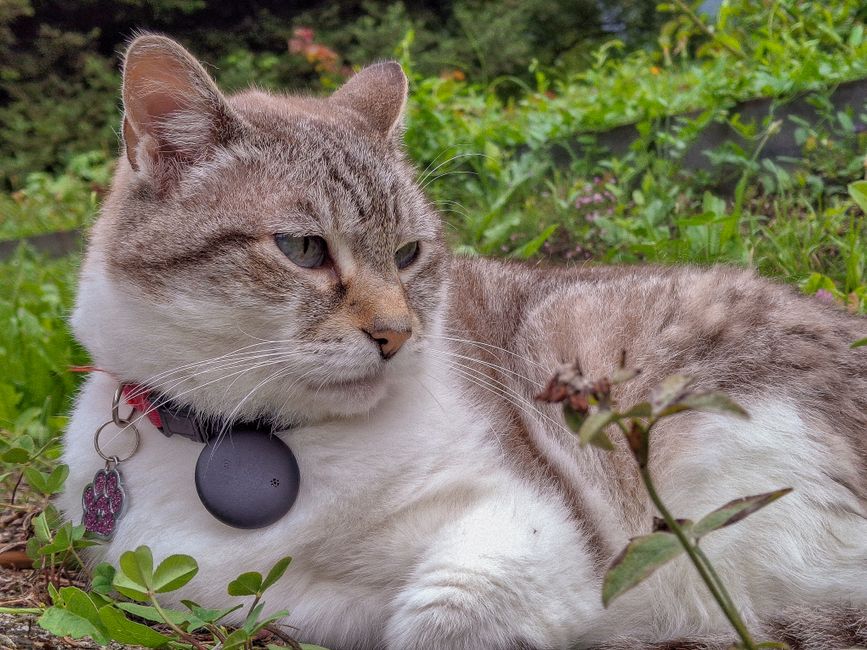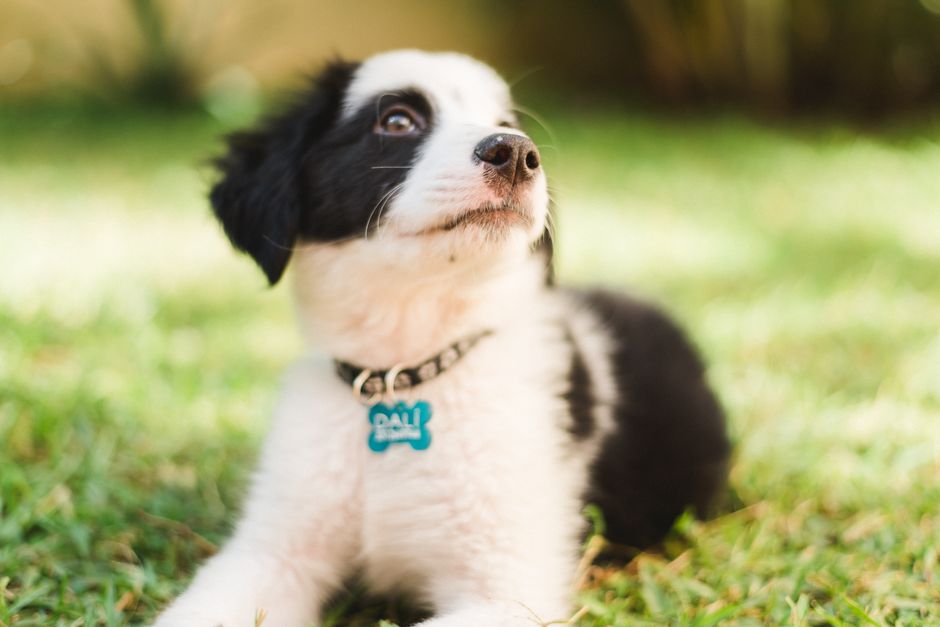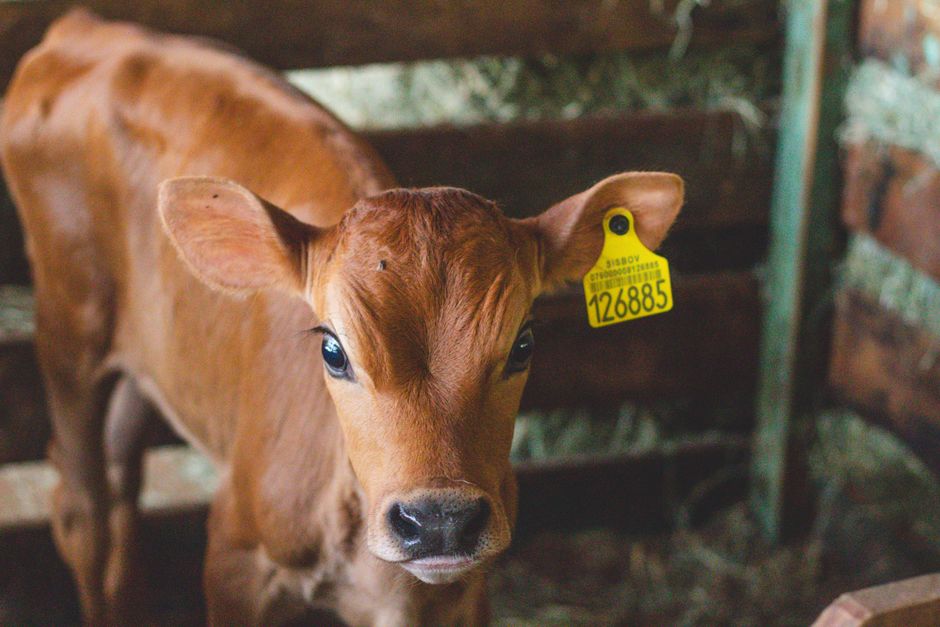
Custom Animal Tags: The Ultimate Guide to Reuniting with Your Lost Pet Faster
Discover why custom animal tags with QR codes are revolutionizing pet safety. Learn how Pethna's waterproof, durable tags give you 24/7 recovery tools and a digital profile that never fades.
Introduction
Every pet owner shares a common nightmare: the front gate left ajar, a loose leash, or a sudden gate latch failure. In that split second, your furry family member darts into the unknown. When that happens, the difference between a quick reunion and a heart-wrenching search often comes down to one small piece of gear: the tag on your pet’s collar. But not just any tag. A custom animal tag – one that is durable, readable, and connected to a modern recovery system – can be the silent hero in your pet’s safety story.
Traditional engraved tags are easy to spot, but they have critical limitations: they rust, they wear down, and they contain only a phone number that might be out of date. Meanwhile, microchips offer permanent identification but require a visit to a vet or shelter for scanning. That’s where the next generation of pet identification steps in. Custom animal tags today blend personalization with smart technology, such as waterproof QR codes that link to an always‑updated digital profile. Whether you have a curious cat, an adventurous dog, or a beloved rabbit, having the right tag is your first line of defense.
In this comprehensive guide, we’ll dive deep into every aspect of custom animal tags – why they matter, how they work, what features to look for, and why Pethna’s innovative QR code solution outpaces traditional options. By the end, you’ll have the knowledge to choose the best tag for your pet and the peace of mind that comes with a truly connected safety net. Let’s start with the foundation: why custom animal tags are non‑negotiable for responsible pet ownership.
The Importance of Custom Animal Tags for Pet Safety
Every responsible pet owner knows that identification is the most critical tool for a lost pet’s safe return. According to the American Humane Association, one in three pets will become lost at some point in their lives, and without current ID, only about 15% of dogs and 2% of cats ever find their way home. A custom animal tag directly bridges the gap between your pet and a finder. Unlike generic store‑bought tags, custom tags allow you to include specific, up‑to‑date information that is unique to your pet – from their name and your phone number to medical needs and microchip numbers.
The ability to personalize goes beyond aesthetics. Custom animal tags can be designed with high‑contrast colors, large fonts, and durable materials that withstand scratching, rain, and rough play. This ensures that even if a tag is dirty or slightly worn, a Good Samaritan can still read the contact information. Moreover, many custom tag providers now offer digital integration. A QR code on the tag becomes a live link to an online pet profile that can be updated instantly if you move, change phone numbers, or add an emergency contact. That means your tag never becomes obsolete – a huge advantage over static engraved plates.
Another critical aspect is the psychological comfort for the pet. A properly fitted custom animal tag that is lightweight, non‑irritating, and secure won’t bother your pet. They can wear it 24/7 without discomfort, which means protection is always active. For indoor‑only cats or small pets, a custom tag is equally important – even the most careful cat can slip out an open door. In short, investing in a high‑quality custom animal tag is not just about style; it’s about building a reliable safety net that works in the real world, where weather, time, and human error can all conspire against a quick reunion.
Why Traditional Tags Fall Short (and How Custom Animal Tags Solve It)
Traditional pet tags – usually made of stamped metal or plastic – have been around for decades. They serve a basic purpose, but they come with a long list of shortcomings that modern custom animal tags address. First and foremost is durability. Metal tags tarnish, rust, and can become illegible after just a few months of exposure to rain, mud, and ocean salt. Plastic tags crack in cold weather and become brittle. A high‑quality custom animal tag from a reputable provider like Pethna is made from waterproof, UV‑resistant materials (e.g., anodized aluminum or industrial polymer) that maintain clarity for years.
Second, static text is a liability. If you move, get a new phone number, or add a secondary contact, you have to order a whole new tag. Most pet owners simply don’t, leaving outdated information that can lead to a missed reunion. Custom animal tags with QR codes solve this by linking to a cloud‑based profile you can edit anytime. Even if the tag itself never changes, the information a finder accesses is always current. That’s a lifesaver when every minute counts.
Third, traditional tags often lack visibility. Small font sizes, poor contrast, and no standout design make it hard for someone to quickly read a tag in a dark alley or during a rainstorm. Custom animal tags allow you to choose bold colors, reflective finishes, and even larger font options. Moreover, a QR code can be scanned with any smartphone without needing to squint, even in low light. Finally, traditional tags provide only one layer of ID (usually just a phone number). Custom tags can integrate multiple layers – phone, email, microchip number, medical alerts – so a finder has all the context they need to care for your pet until you’re reunited. In every way, custom animal tags represent a significant upgrade in both technology and peace of mind.
15-day free trial — No commitment
All premium features unlocked. No credit card required. Protect your pet in 2 minutes.
Try free for 15 daysKey Features to Look for in Custom Animal Tags
When shopping for a custom animal tag, it’s easy to get overwhelmed by choices. To ensure you select a tag that truly protects your pet, focus on five essential features. First, material quality. The tag must be rust‑proof, scratch‑resistant, and waterproof. Look for tags made of marine‑grade stainless steel or anodized aluminum, or a reinforced thermoplastic that can withstand chewing and impact. Pethna’s tags, for example, use a durable composite that passes 24‑hour submersion tests.
Second, readable design. Even the best QR code is useless if the physical tag is illegible. Choose a tag with large, engraved or printed text using high‑contrast colors (e.g., white on black or bright orange on dark). Make sure the QR code is printed with high resolution and a contrasting background so it scans easily from all angles. Third, QR code technology. Not all QR codes are created equal. The best custom animal tags use a dynamic QR code that redirects to a pet profile you control. This profile should allow you to store multiple phone numbers, a secondary contact, medical notes, and even a photo of your pet. The code should also be scannable without requiring a special app – just a standard camera or scanner.
Fourth, attachment security. A tag that falls off a collar is useless. Look for a tag with a strong split ring or a silicone sleeve that prevents jingling and stays securely attached. Some tags also offer a silent, no‑jingle design to avoid startling your pet or attracting unwanted attention. Fifth, longevity and cost‑effectiveness. A cheap tag might save you $5 now but cost you your pet later. Invest in a tag that offers a lifetime warranty or a reasonable replacement policy. Also consider if the tag comes with a subscription for the digital profile; a one‑time purchase with no monthly fees (like Pethna) is ideal. By checking these features, you’ll ensure your custom animal tag is ready for anything – from muddy hikes to an unexpected escape.
How to Design the Perfect Custom Animal Tag for Your Pet
Designing a custom animal tag might seem straightforward, but a few strategic choices can dramatically increase its effectiveness. Start with the primary information. At minimum, include your pet’s name (so a finder can call them), your phone number, and a note like “I am lost – please call my family.” Resist the urge to clutter the tag with too much text. With QR code tags, you can keep the front simple – just a name and a prominent QR code – and store all contact details digitally. For example, Pethna’s design encourages a clean front with a bold pet name and QRC, while the profile handles everything else.
Next, consider color and contrast. A tag that blends into the pet’s fur may be overlooked. Choose a color that pops – neon green, bright pink, or high‑visibility orange. You can also opt for a reflective or glow‑in‑the‑dark finish for nighttime searches. If your pet has a dark coat, a light‑colored tag will be more noticeable, and vice versa. For cats, small and lightweight tags are crucial; avoid bulky designs that can get caught on branches or furniture. Pethna offers ultra‑small tags for cats and small dogs, crafted to be less than 5 grams.
Don’t forget additional safety details. You can add “I am microchipped” or “Medication required” to the back of the tag or within the digital profile. If your pet has allergies or a medical condition, a custom tag can literally save their life by alerting a finder not to feed them certain foods. Finally, involve your pet’s personality – add a small symbol like a paw print, bone, or fish. While aesthetics are secondary to function, a tag that reflects your pet’s unique character also makes it more memorable. When designing, always prioritize font size and clarity over decoration. The perfect custom animal tag balance beauty with brawn: it looks great, but it works harder than any traditional tag.
The Role of QR Code Technology in Modern Custom Animal Tags
QR codes have evolved from a marketing gimmick to a powerhouse tool for pet recovery. In the context of custom animal tags, a QR code acts as a direct, instant bridge between a finder and your pet’s up‑to‑date information. The magic lies in the dynamic QR code. Unlike static codes that print a fixed URL, a dynamic QR code can be updated to point to a new profile without reprinting the tag. This means if you change your phone number, add a second contact, or update your pet’s medical info, the same tag still works. For pet owners, this eliminates the need to order new tags every time life changes.
How does it work in practice? A good Samaritan finds your cat roaming a neighborhood. They see the QR code on your custom animal tag, pull out their smartphone, and scan it using their native camera (no app required). The code instantly loads a webpage that displays your pet’s name, your phone numbers, a message of gratitude, and even a note like “Please keep my pet safe until I arrive.” Many profiles also include a photo for verification, so the finder can confirm they have the right animal. Some advanced systems even log the scan’s GPS location and send you an alert, telling you exactly where your pet was seen. This real‑time data can dramatically narrow a search area.
QR code technology also solves the privacy and security problem. Unlike listing your full address and phone number on a engraved tag (which could be misused), a QR code profile can be designed to show only what’s necessary. You can choose to hide your home address and display only a phone number and a message. The finder never sees your full profile unless you grant access. For pet owners concerned about identity theft or stalking, this is a game‑changer. Furthermore, modern QR code tags are laser‑engraved or printed with high‑contrast inks that resist fading and scratching, ensuring the code remains scannable for years. In a world where everyone has a smartphone, QR code‑enabled custom animal tags are the smartest, most reliable way to keep your pet connected to you.
How Custom Animal Tags Increase the Chances of Reuniting with Your Lost Pet
Statistics paint a stark picture: according to the ASPCA, only 23% of lost dogs and 2% of lost cats without identification are reunited with their owners. For pets with ID tags, the reunion rate jumps to over 50% for dogs and 38% for cats. Adding a QR code takes this further. Studies by pet recovery platforms show that pets with QR code tags are reunited up to three times faster than those with only a phone number on a traditional tag. Why? Because QR codes remove friction. A finder doesn’t have to decipher tiny letters, take a picture and later try to text, or worry about calling a wrong number. They simply scan, and the information is there.
Custom animal tags also enable multiple contact methods. You can list a primary and secondary phone number, an email, and even a third contact (like a neighbor who works from home). This network ensures that if you miss a call, someone else can respond. Many systems also offer a torch mode or call forwarding so that the finder can immediately dial you without leaving the page. Additionally, because the digital profile can include medical information, a finder who sees that your pet is diabetic or has seizures can take appropriate action, reducing stress and injury.
Perhaps the most powerful feature of custom animal tags with QR codes is the geolocation timestamp when scanned. If your dog escapes while you’re at work, the first scan can pinpoint the area, and you can direct your search accordingly. Some platforms even send an automatic text message to you and your emergency contacts with a map link. In the chaotic moments of a lost pet, this data is golden. Moreover, many QR code tags allow you to mark your pet as “lost” in your account, which can trigger a notification to local vet clinics or shelters if they scan the tag. This network effect multiplies the chances of a reunion. In short, a well‑designed custom animal tag – particularly one with a dynamic QR code – turns a passive piece of metal into an active, intelligent recovery device that works around the clock.
Frequently Asked Questions About Custom Animal Tags
Q1: Are custom animal tags with QR codes better than traditional engraved tags?
Yes, for most pet owners. While a basic engraved tag provides a phone number, a QR code tag gives you a live, updatable profile that can store multiple contacts, medical information, and a pet photo. It also eliminates the need to reorder a tag when your details change. The dynamic nature of a QR code tag ensures that the information a finder sees is always current – a critical advantage during an emergency.
Q2: How do I update the information on a QR code custom animal tag?
Most providers, including Pethna, offer a web dashboard or mobile app. You log in to your account, select your pet’s profile, and edit fields such as phone numbers, address, medical notes, or even add a new photo. The changes are reflected instantly the next time someone scans the QR code. No need to contact customer support or order a new tag.
Q3: Will the QR code stop working if it gets scratched or dirty?
High‑quality custom animal tags use laser engraving or high‑contrast printing that is resistant to scratches and UV fading. However, extreme abuse can degrade the code. To keep it scannable, clean the tag gently with a soft cloth and avoid abrasive surfaces. Most reputable manufacturers, like Pethna, guarantee the code remains scannable for at least two years under normal use. If the code becomes unreadable, many companies offer a free replacement program.
Q4: Can I use a custom animal tag for cats or very small dogs?
Absolutely. Many custom tag providers now offer ultra‑lightweight, compact designs specifically for small pets. Look for tags that are less than 5 grams and have a small split ring. Pethna’s “mini” tags are designed for cats, rabbits, and toy breeds, ensuring they don’t cause neck strain or discomfort. The QR code is still large enough to scan easily, but the overall tag is small and silent.
Why Pethna Is the Ultimate Solution for Custom Animal Tags
After exploring every angle of custom animal tags, one name stands out for its commitment to quality, innovation, and pet safety: Pethna. Pethna’s waterproof QR code tags are engineered to survive the worst the world can throw at them – rain, mud, snow, even a dip in the ocean. Made from a proprietary composite that is both lightweight and nearly indestructible, they last years without fading, cracking, or peeling. Each tag includes a dynamic QR code linked to an always‑up‑to‑date digital pet profile, accessible from any smartphone with no special app required.
What truly sets Pethna apart is the holistic recovery ecosystem. When you purchase a custom animal tag from Pethna, you’re not just buying a piece of hardware – you’re gaining access to a powerful platform. You can store unlimited phone numbers, add emergency contacts, list medical conditions, and even upload a current photo of your pet. If your pet goes missing, you can activate a “Lost Pet Alert” from your account, which notifies local shelters, rescues, and participating vet clinics that your pet is missing and carries a Pethna tag. This network multiplies the eyes searching for your pet. Also, Pethna offers real‑time GPS location capture when a tag is scanned, so you get an immediate map of where your pet was last seen.
Moreover, Pethna prioritizes ease of use and affordability. There are no subscription fees – you pay once for the tag, and the online profile is free for life. The tags are backed by a lifetime replacement guarantee against manufacturing defects, and their customer support team is staffed by pet lovers who understand the urgency of a lost pet. From sleek, minimalist designs to bright, high‑visibility options, Pethna offers a variety of styles and colors to match any pet’s personality. Whether you have a Labrador that loves mud puddles or a Persian cat that never leaves the house, Pethna’s custom animal tags ensure you have the best chance of a swift reunion. Don’t wait until your pet slips away – equip them with the most intelligent, durable tag on the market. Choose Pethna, and let technology be your pet’s guardian angel.