Pet Identification Tags: The Definitive Guide to Protecting Your Furry Friend
Discover why modern pet identification tags are the most effective way to reunite with a lost pet. Learn how QR code technology, waterproof materials, and digital profiles transform pet safety.
The moment you realize your dog has slipped through an open gate, or your cat hasn’t come home by dusk, your heart drops. Every year, millions of pets go missing, and while microchips are invaluable, they require a scanner that not every Good Samaritan carries. That’s where a pet identification tag becomes a literal lifeline. A visible, durable, and instantly readable tag is the fastest way for a stranger to contact you and bring your pet home safely. But not all tags are created equal. Traditional engraved metal tags fade, break, or become unreadable over time. Enter the next generation of pet safety: smart, waterproof QR code tags that link to a digital profile with your contact details, medical needs, and more. In this complete guide, we’ll explore everything you need to know about pet identification tags, from the materials that last to the technology that saves lives. Whether you’re a first-time pet parent or a seasoned owner, understanding the evolution of identification tags will help you make the best choice for your furry family member. By the end, you’ll see why Pethna’s waterproof QR tags are the ultimate solution for modern pet recovery.
The Critical Role of Pet Identification Tags in Reuniting Lost Pets
It’s a statistic no pet owner wants to become part of: according to the American Humane Association, only about 15–20% of lost dogs and less than 2% of lost cats are reunited with their families without identification. A simple pet identification tag dramatically improves those odds. When a stranger finds a frightened animal, the first thing they look for is a collar and tag. A visible tag provides immediate contact information, bypassing the need for animal control, vet clinics, or microchip scanners. In those critical first hours after a pet goes missing, a tag can mean the difference between a quick reunion and a heart-wrenching search.
The psychological impact on both the pet and the owner is profound. Pets that are reunited quickly experience less stress, fewer injuries from wandering traffic, and lower chances of dehydration or starvation. For owners, a tag offers peace of mind every time the door opens. It’s a low-cost, high-impact safety net that works 24/7. Even the most vigilant pet owner can’t prevent every escape. A dog may dig under a fence, a cat may dash out during a delivery, or a harness may break on a walk. In every scenario, a pet identification tag is the backup plan that never sleeps.
Beyond simple contact info, today’s tags can carry emergency medical details, like allergies or medications, which can be lifesaving if your pet is injured. The tag serves as a front-line communication tool between a finder and you, without relying on databases or technology that may have outdated information. While microchips are permanent, they’re not visible. A tag is the first thing a kind stranger will see, and it encourages immediate action. That’s why pairing a microchip with a high-quality tag is the gold standard in pet identification.
Traditional vs. Modern Pet Identification Tags
For decades, the standard pet identification tag was a stamped piece of metal—aluminum, brass, or stainless steel—hung from a split ring. These tags are inexpensive and functional at first, but they come with significant downsides. Metal tags can become illegible over time as the stamped letters wear down from rubbing against fur, collars, and other tags. They also corrode, fade, and can break or fall off entirely. A lost tag is as useless as no tag at all. Moreover, traditional tags offer limited space for information, often just a phone number and pet name, leaving no room for critical medical data or alternate contacts.
Modern pet identification tags have evolved to leverage digital technology. QR code tags, like those from Pethna, feature a tiny laser-etched or printed code that can be scanned by any smartphone. When scanned, the code opens a secure online profile containing the owner’s contact details, vet info, microchip number, and even behavioral notes. This digital approach solves nearly every shortcoming of traditional tags. The information is not physically limited – it can be updated anytime without needing a new tag. If you move, change your phone number, or add a new contact, you simply edit the profile. The tag itself never goes out of date.
Another major advance is in durability. Modern tags use materials like waterproof stainless steel, silicone, or high-grade polycarbonate that resist impact, scratching, and the elements. Pethna’s tags are designed to withstand chewing, swimming, and rough play. They are also quieter than metal tags, which can be a blessing for pets with anxiety or for owners tired of jingling sounds. The shift from static engraved tags to dynamic digital tags represents a revolution in pet safety. Pet identification tags are no longer just a piece of metal—they are a gateway to a complete digital safety net that stays current and reliable for the entire life of your pet.
What Makes a High-Quality Pet Identification Tag?
Not all pet identification tags are built to last. When selecting a tag for your dog or cat, several factors determine its effectiveness and lifespan. First and foremost is material. The tag must be waterproof – not just splash-resistant but fully submersible, because pets swim, walk in rain, and drink from bowls. Metal tags, even stainless steel, can rust or corrode over time if the finish is compromised. Silicone tags are inherently waterproof but may not withstand strong dog bites. Laser-engraved stainless steel or high-density polymer tags offer the best balance of durability and weight.
Readability is another make-or-break feature. A tag that is scratched, faded, or too small to read is useless. Modern high-quality tags use deep laser etching or high-contrast printing (such as black on white or white on black) that remains legible even after years of use. For QR code tags, the code must be printed with high resolution so any smartphone camera can instantly decode it, even in low light or at odd angles. Pethna’s QR tags are designed with a durable overlay that protects the code from scratches and UV fading.
Attachment method also matters. The ring or clasp that attaches the tag to the collar should be made of sturdy stainless steel or brass. Many pet owners lose tags because the split ring opens under pressure, especially during rough play. Look for tags with a reinforced D-ring or a permanently attached loop that cannot accidentally pop open. Additionally, size and weight should be appropriate for your pet. A heavy metal tag on a small cat’s collar can cause neck strain or get caught on objects. Lightweight, compact tags like Pethna’s are designed to be comfortable for pets of all sizes while still carrying a large QR code. Finally, consider the information capacity. The best pet identification tags allow you to include multiple phone numbers, an address, medical alerts, and even a photo of your pet. Digital tags are superior because they can hold unlimited details without physical space limitations.
15-day free trial — No commitment
All premium features unlocked. No credit card required. Protect your pet in 2 minutes.
Try free for 15 daysHow QR Code Pet Identification Tags Work and Why They Are Superior
The mechanism behind a QR code pet identification tag is elegantly simple yet incredibly powerful. A unique QR code is printed or etched onto the tag. When a finder scans that code with their smartphone camera, it automatically opens a web page (without requiring any app) that displays your pet’s safety profile. The profile typically includes the owner’s name, phone number, email, alternative contacts, and any critical medical information. Some services, like Pethna, also allow you to add a lost/found status toggle, so when your pet goes missing, you can update the profile to alert any scanner that the pet is lost.
Why is this superior to a traditional engraved tag? First, the information is always current. If you change your phone number, you don’t need to buy a new tag. You log into your Pethna account and update the profile – the same tag still works. Second, QR tags offer privacy. A traditional tag displays your name and address for anyone to see, which can be a security concern. A QR tag shows nothing visible except the code and perhaps a simple “Scan me” call to action. The finder only gets the information you choose to share after scanning. Third, QR tags are far more reliable over time. Even if the tag gets scratched, the code can often still be scanned because QR codes have built-in error correction. Pethna uses a high-error-correction level, meaning up to 30% of the code can be damaged and still read.
Another major advantage is the ability to include a wealth of information beyond contact details. You can list your pet’s medications, allergies, behavior (e.g., “fearful of men, approach slowly”), and even microchip number. This data can be critical in a emergency. For example, if your diabetic cat is found, the finder can see “Needs insulin every 12 hours” – a fact that could save her life until you’re reached. Additionally, QR pet identification tags support multiple languages, making them ideal for international travel or for pets living in multicultural areas. The technology is so intuitive that even a child can scan the tag and help reunite a lost pet. In short, QR tags represent the future of pet recovery – instant, updatable, secure, and packed with life-saving information.
Choosing the Right Pet Identification Tag for Your Dog or Cat
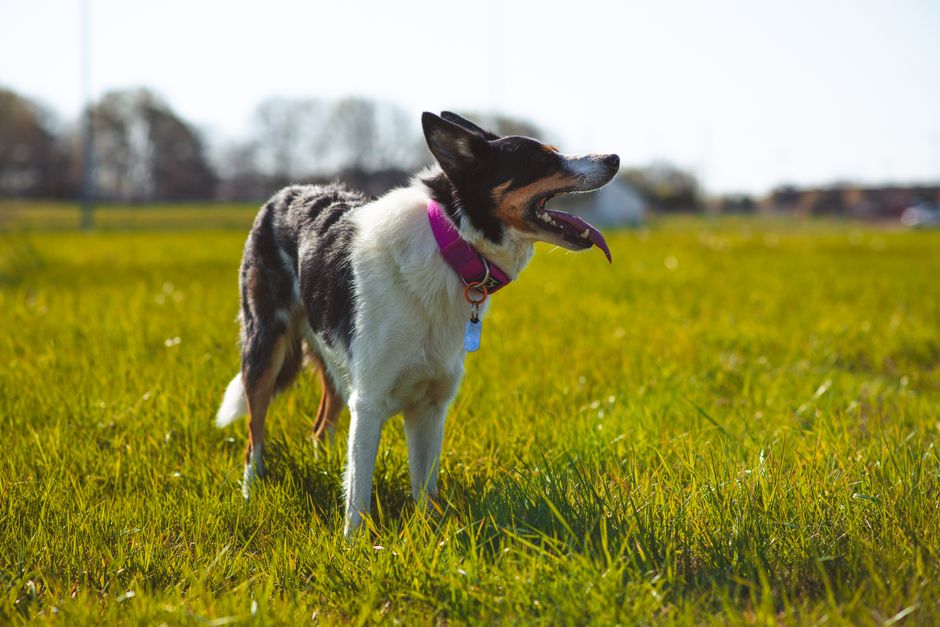
Selecting the perfect pet identification tag depends on your pet’s lifestyle, size, and personality. For an adventurous dog that loves hiking, swimming, and roughhousing, durability is paramount. Look for a tag that is waterproof, impact-resistant, and securely attached. Avoid tags that dangle loosely and can catch on branches or fences. A low-profile or flat tag that sits flush against the collar reduces snagging and noise. Pethna’s tag design addresses these concerns with a streamlined shape and a robust stainless steel loop that won’t open unexpectedly.
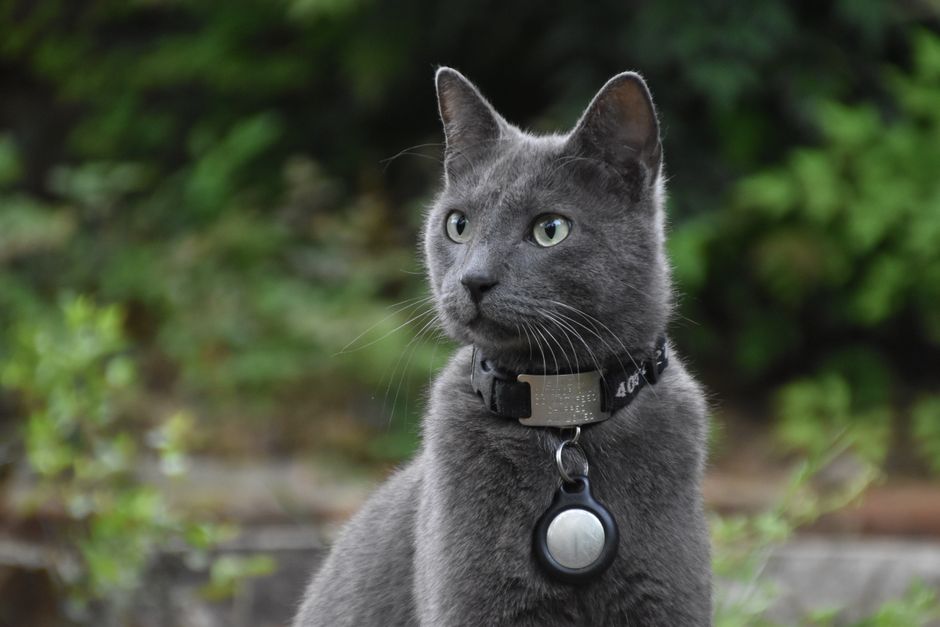
For cats, especially indoor-outdoor explorers, weight is the top consideration. A heavy metal tag can cause neck discomfort or get stuck in tight spaces. Silicone or lightweight polymer tags are ideal. Also, consider a breakaway collar for cats, and ensure the tag itself is secured to that collar without adding excess bulk. QR tags, because they are often made from thin, durable materials, work well for feline companions. Some cat owners prefer tags that are attached directly to the collar webbing rather than hanging, which is also an option with certain designs.
Size matters for all pets. The tag should be large enough to contain a scannable QR code and visible text (if any) but not so large that it becomes a nuisance. For toy breeds and kittens, a thumbnail-sized tag may be sufficient. For large dogs, a slightly larger tag improves readability. Pethna offers different sizes and attachment options to suit various breeds. You should also consider what information to include. While QR tags can hold endless data, make sure your profile includes at least two phone numbers (one for emergencies) and a backup contact. If your pet has special needs, prominently list them. Finally, think about future-proofing. Choose a tag whose underlying digital profile service has a long-term track record or a promise not to expire. Pethna provides lifetime profile updates, so your tag stays active as long as you own the pet.
The Hidden Dangers of Outdated or Low-Quality Tags
Many pet owners make the mistake of assuming any tag is better than no tag. While that’s generally true, low-quality or outdated pet identification tags can create a false sense of security. A tag that becomes illegible due to wear and tear is functionally useless. Imagine a Good Samaritan finding your frightened dog, seeing a scratched metal disc they can’t read, and moving on without a way to contact you. That scenario is tragically common. Traditional stamped aluminum tags are particularly prone to this because the letters are not deeply engraved and can wear off within a year.
Another hidden danger is the tag falling off entirely. Many split rings are weak and can open when the tag catches on something, or simply from the jingling motion over time. A lost tag means you may never know someone tried to contact you. Even if a tag remains attached, the information can become outdated. A phone number you changed a year ago is still etched on the tag, and finders will call a dead number, giving up when they get no answer. Digital QR tags solve this by allowing instant updates, but only if the owner remembers to update the online profile. Always keep your pet’s digital profile current, just like you would with a microchip registry.
For pets that spend time outdoors, moisture and UV rays are silent enemies. A metal tag left out in the sun can become scorching hot (burning the pet’s neck), while rain and humidity promote corrosion. Plastic tags can become brittle and crack. The cheapest tags may even have sharp edges that cause skin irritation or pressure sores. Investing in a high-quality, waterproof tag from a reputable brand like Pethna eliminates these risks. Pethna’s tags undergo rigorous testing for scratch resistance, water immersion, and impact. Don’t let a few dollars save you from the heartbreak of an ineffective identification method. Your pet’s life is worth the investment in a tag that will last and stay readable for years.
Beyond the Tag: How Digital Profiles Enhance Pet Recovery
A pet identification tag is only as good as the system behind it. Traditional tags offer a static line of text—typically a phone number. But what if the finder can’t call? What if they only have text messaging capability or are in a noisy area? Digital QR tags link to a profile that can include a “Send a text message” button, email, and even a “Call now” button that automatically dials. This flexibility increases the chance that a finder will actually reach out, regardless of their preferred communication method.
Moreover, digital profiles allow you to add a “Lost Pet” alert that triggers a notification when someone scans the tag. Pethna’s system, for instance, can send an immediate email or SMS to the owner whenever the tag is scanned, even if the finder doesn’t call. This gives you real-time awareness that someone is near your pet, helping you coordinate rescue. Some advanced profiles also integrate with local lost-and-found networks, automatically posting your pet’s details to community Facebook groups or alerting nearby veterinary hospitals.
Another crucial feature is the ability to store medical records and microchip information in one place. If a finder takes your pet to a vet, they can access the microchip number directly from the QR code profile, saving the vet time scanning for a chip. A digital profile can also list your pet’s normal behavior, favorite hiding spots, or fears, which helps strangers approach safely. For pets with anxiety or aggression, this information can prevent stressful situations. Ultimately, digital profiles transform a simple tag into a complete pet safety hub. They are the evolution from “call this number” to “everything you need to reunite this pet with its family.” Pethna has perfected this by offering a user-friendly dashboard where you can manage profiles for multiple pets, share them with pet sitters, and update details in seconds.
Frequently Asked Questions
Can I update the information linked to a QR code pet identification tag?
Yes, and this is one of the biggest advantages of QR tags. With a service like Pethna, you sign up for a free lifetime profile when you register your tag. Anytime your phone number, address, or any other detail changes, you simply log into your account and update the information. The QR code on the tag remains the same; it always points to your current profile. This means you never need to buy a new tag when you move or get a new phone number.
Are QR pet identification tags truly waterproof?
Absolutely, when you choose a reputable brand. Pethna’s tags are designed to be fully waterproof and submersible. They can withstand rain, swimming, baths, and even being left in water bowls. The material used is a high-grade polymer or stainless steel with a sealed surface that protects the QR code from moisture. However, always check the product specifications—some cheaper tags may only be water-resistant. Pethna tests its tags in real-world conditions to ensure they function perfectly even after prolonged submersion.
What if my pet hates wearing a collar? Can I still use a tag?
Many cats and some dogs dislike collars. Fortunately, you can use alternative methods of pet identification. For example, you can attach a Pethna QR tag to a breakaway safety collar that releases under pressure, reducing the risk of injury. Some owners have success with harnesses that include a built-in tag loop. Another option is using a collar that is very lightweight and soft. If your pet truly cannot tolerate any collar, consider a microchip (which is mandatory) combined with a Pethna tag on a backup collar that you only put on during walks or outdoor time. Some creative owners even attach the tag to their pet’s crate or cat carrier for extra safety.
Do I still need a microchip if I have a QR code tag?
Yes, absolutely. A QR code tag is a visible, instantly scannable identification that works without any special equipment. A microchip is a permanent implant that cannot be lost or removed. Together, they form the ultimate safety net. The microchip is the fallback if the collar and tag are lost. The tag is the first line of defense because it can be read by anyone with a smartphone. Pethna recommends that every pet be microchipped AND wear a QR tag. Our profiles even allow you to store the microchip number, making it easy for finders and vets to access all info in one place.
Why Pethna Is the Ultimate Solution
After exploring the world of pet identification tags, one thing is clear: you need a solution that is durable, modern, and backed by a reliable digital platform. Pethna delivers all of that and more. Our tags are crafted from waterproof, scratch-resistant materials that stand up to the most active lifestyles. Whether your dog swims in lakes, rolls in mud, or chews on sticks, a Pethna tag remains readable and functional. The QR code is laser-etched with high error correction, so even if it gets scuffed, it can still be scanned instantly by any smartphone.
But the tag is just the beginning. Pethna offers a free, lifetime digital profile that you can update as often as needed. No subscription fees, no expiry dates. Your profile can include multiple phone numbers, emails, medical alerts, microchip details, and even a photo of your pet. If your pet goes missing, you can mark the profile as “Lost” and anyone who scans the tag will see a prominent notification and your current contact instructions. Pethna also provides real-time scan alerts, so you know exactly when and where your tag was scanned, giving you a crucial head start in recovery.
Our commitment to pet safety goes beyond the product. Pethna partners with animal shelters, rescue groups, and lost-pet networks to maximize the chances of reunion. Every tag registered on our platform becomes part of a global community that helps lost pets find their way home. We also offer a range of attachment styles, from split rings to silicone bands, ensuring a perfect fit for your pet’s collar. And because we know that pets come in all shapes and sizes, we offer tags tailored for cats, small dogs, and large dogs, all with the same uncompromising quality.
Don’t settle for a flimsy metal plate that fades and falls off. Choose Pethna’s pet identification tags and give your furry family member the best chance at a safe return—every time they step out the door. With Pethna, you’re not just buying a tag; you’re investing in peace of mind and a faster reunion when it matters most. Join thousands of pet parents who have already upgraded to smart, waterproof, always-updated identification. Visit [www.pethna.com](https://www.pethna.com) to order your tag today, and never worry about outdated information again.