The Ultimate Guide to Cat Name Tags: Safety, Style & Smart Tech for 2026
Discover everything you need to know about cat name tags—from material choices and engraving tips to the revolutionary waterproof QR code tags from Pethna that reunite lost cats with their families in minutes.
# The Ultimate Guide to Cat Name Tags: Safety, Style & Smart Tech for 2026
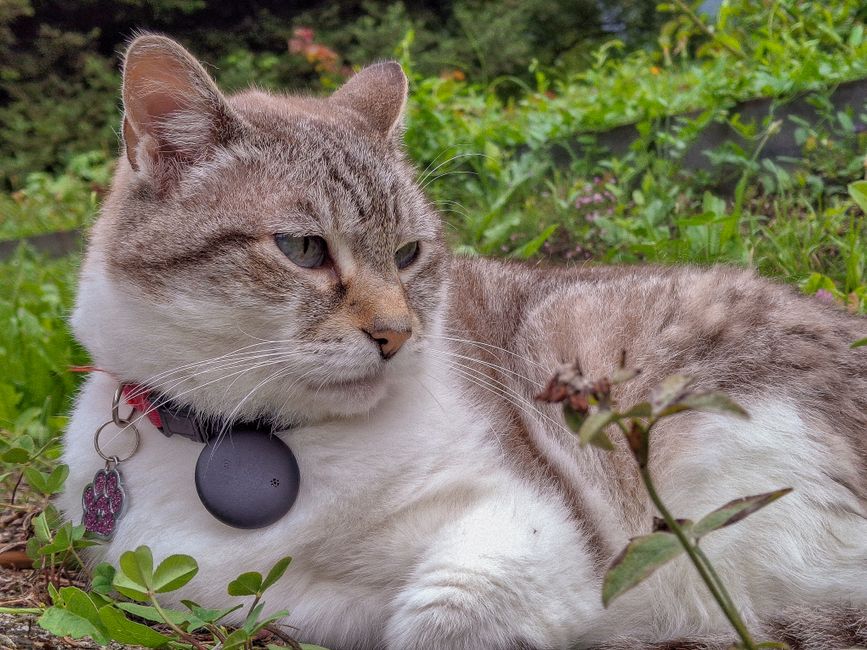
Every cat owner knows the gut-wrenching moment when their feline friend slips out an open door or disappears during a move. In that instant, the single object between a swift reunion and a prolonged search is a simple cat name tag. For decades, these tiny identifiers have been a pet parent’s first line of defense. But the world of cat name tags has evolved far beyond the scratched metal ovals of the past. Today, we have rugged waterproof materials, laser engraving that never fades, and—most importantly—smart QR code technology that can share your contact information, medical records, and even a real-time message with anyone who finds your cat.
This guide is your comprehensive resource for selecting the perfect cat name tags. Whether you own a curious indoor-only cat or an adventurous outdoor explorer, we will cover material choices, engraving best practices, attachment safety, and the revolutionary benefits of QR code tags. By the end, you will understand exactly why a traditional engraved tag is no longer the best option—and why Pethna’s waterproof QR code tag system is changing the game for pet recovery. Let’s dive in.
Why Cat Name Tags Matter More Than You Think
It is easy to assume that because your cat is mostly indoors, a name tag is unnecessary. However, statistics show that nearly one in three pets will go missing at some point in their lives, and indoor-only cats can be just as likely to escape as outdoor cats. A single moment of distraction—a repair person leaving a door ajar, a window screen giving way, or a fire alarm causing panic—can send your cat into unfamiliar territory. In these situations, a cat name tag is the fastest way for a stranger to identify your pet and contact you.
Unlike microchips, which require a special scanner only available at veterinary clinics or shelters, a name tag provides immediate, visible information. A Good Samaritan who finds your frightened cat can read the tag, call the phone number, or scan the QR code right on the spot. This eliminates the critical delay of transporting the cat to a scanner, during which time the animal may wander off again or become stressed. For outdoor cats that roam neighborhoods, a name tag also signals to neighbors that the cat is owned and cared for, reducing the chance that someone assumes the cat is a stray and takes it to a shelter unnecessarily.
Beyond simple identification, cat name tags serve as a powerful deterrent against theft. A tag clearly stating ownership makes a stolen cat harder to sell or claim as a lost pet. Moreover, many jurisdictions have local ordinances requiring pet identification tags. Whether you live in a city with strict leash laws or a rural area where strays are common, having a visible tag on your cat’s collar keeps you compliant and shows you are a responsible pet owner. Ultimately, a name tag is a small, affordable investment that offers immense peace of mind, and choosing the right one makes all the difference.
Types of Cat Name Tags: Materials, Styles, and Durability
When shopping for cat name tags, you will encounter a dizzying array of materials, shapes, and sizes. The most common material is stainless steel, prized for its strength and resistance to rust. Stainless steel tags are lightweight, durable, and can hold up to years of wear against grass, dirt, and water. They are ideal for active cats that spend time outdoors. Aluminum is another popular choice because it is even lighter, but it tends to scratch and fade more quickly. For cats that have metal allergies—a condition more common than many owners realize—nickel-free brass or surgical-grade stainless steel is the best option to prevent skin irritation.
Plastic and silicone tags have gained popularity due to their quiet operation (no metal clanking against the collar) and hypoallergenic properties. However, traditional plastic tags can become brittle in extreme cold or heat and may crack over time. Silicone is more flexible and waterproof, but it can stretch or tear if caught on a branch. Then there are specialty materials like ceramic, which offers a beautiful aesthetic but is prone to shattering if dropped onto concrete. For any cat that spends significant time outdoors, metal remains the gold standard for longevity.
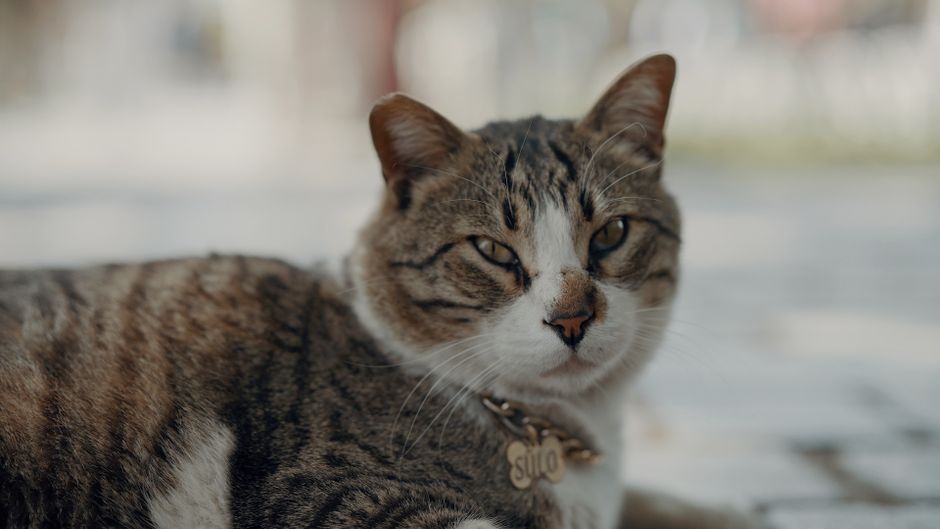
Beyond material, the style of the tag matters for both readability and comfort. Slide-on tags that attach directly to the collar without a dangling piece are excellent for cats that dislike jingling noises. They lie flat against the neck, reducing the chance of snagging on shrubbery. Dangling tags are more traditional and offer more surface area for engraving, but they can get caught on fences or under furniture. For kittens with growing necks, adjustable collar tags with a breakaway buckle are essential for safety. Finally, shape and size should be proportionate to your cat’s weight—a large tag on a small cat can be heavy and uncomfortable, while a tiny tag on a large cat may be difficult to read. Striking the right balance ensures your cat wears the tag comfortably and consistently.
QR Code Cat Name Tags: The Smart Evolution in Pet Safety
The most transformative innovation in pet identification in the last decade is the QR code cat name tag. Unlike traditional tags that rely solely on engraved text, a QR code tag stores a link to a dynamic online profile. When a person finds your lost cat, they simply scan the code with their smartphone camera—no app download required—and are instantly taken to a page with your contact details, vet information, medical alerts, and even a personalized message. This technology significantly reduces the chance of misreading a phone number or misspelling an email address from a worn-down engraving.
Pethna takes this concept to the next level by making the QR code completely waterproof and rugged. The code is laser-engraved into stainless steel, meaning it cannot scratch off, smudge, or become unreadable from rain, mud, or snow. Even after months of outdoor adventure, the code remains crisp and scannable. This durability is critical because a lost cat often ends up in dirty, wet environments—under decks, in storm drains, or in heavy brush. A paper or sticker QR code would disintegrate in those conditions, but a Pethna tag remains functional.
Another game-changing feature of QR code cat name tags is the ability to update your information instantly. If you move, change your phone number, or add a new emergency contact, you do not need to buy a new tag. You simply log into your Pethna account and edit your pet’s profile. The person scanning the code always sees your most current data. This is especially valuable for pet sitters, foster families, or cats that travel with their owners. In an emergency, the scanner can also trigger a text message or email alert to the owner, providing a real-time location of where the cat was found. This two-way communication has already reunited thousands of pets worldwide, and it is rapidly becoming the standard for responsible pet ownership.
15-day free trial — No commitment
All premium features unlocked. No credit card required. Protect your pet in 2 minutes.
Try free for 15 daysEngraving, Personalization, and What to Include on Your Cat’s Tag
Even with a QR code tag, you should include some basic engraved information directly on the metal as a backup. The most critical piece is your phone number—preferably a mobile number that you answer even when traveling. Avoid using landlines that may be disconnected or numbers you rarely check. Many owners also include the cat’s name, but consider carefully whether you want to reveal it publicly. Some experts advise against listing the cat’s name because it could allow a stranger to call the cat by name, potentially luring or confusing the animal. Instead, you may simply write “I’m Lost” or “Reward” to prompt the finder to scan the QR code for full details.
For a traditional engraved tag without a QR code, you should prioritize brevity and clarity. Include your surname or a recognizable family name, your primary phone number, and any critical medical condition such as “Diabetic” or “Needs Meds.” Avoid abbreviations that may confuse finders. On a standard tag, you only have about three lines of text, so every character counts. Use uppercase letters for better legibility and choose a font that is simple and sans-serif. Laser engraving is far superior to stamping because it creates deeper, more defined grooves that resist wear.
With a dual-layer system like Pethna’s, you can keep the engraved field minimal—just your phone number and perhaps a short message like “Scan Me for Info”—and rely on the online profile for everything else. In your digital profile, you can include multiple phone numbers, email addresses, a detailed description of your cat (including unique markings), vaccination records, and even a photo. This comprehensive approach ensures that if your cat is found while you are unreachable, the finder can contact a backup person or obtain medical instructions without delay.
Choosing the Right Collar and Attachment Method for Your Cat's Tag
A name tag is only useful if it stays attached to your cat. The wrong collar or a weak split ring can mean your tag falls off within days. For cats, the single most important feature is a breakaway collar. Unlike dog collars that stay buckled, a cat collar is designed to snap open if it catches on a branch, fence, or even during a struggle. This prevents strangulation, which is a leading cause of injury for free-roaming cats. A breakaway mechanism is non-negotiable for any cat that goes outside, and even indoor cats benefit from it in case they escape or get their collar caught on furniture.
The attachment between the tag and the collar is equally critical. Most tags come with a small stainless steel split ring that connects to the collar’s D-ring or strap. However, these split rings can open under tension, leading to lost tags. A better option is a rivet-style attachment where the tag is directly affixed to the collar with a metal rivet. This eliminates jingling and dramatically reduces loss. Pethna offers a slide-on design that integrates the tag flush with the collar, making it virtually impossible to snag on anything while keeping the QR code visible at all times.
When sizing the collar, the two-finger rule applies: you should be able to slip two fingers comfortably between the collar and your cat’s neck. Too tight causes discomfort and can lead to bald patches, while too loose increases the risk of snagging. For kittens, choose a collar that is adjustable and plan to replace it as the cat grows. Reflective stitching or glow-in-the-dark elements add an extra layer of safety for cats that roam at night, increasing the chance that a driver or pedestrian will spot the cat and read the tag. Ultimately, the best collar is one that your cat tolerates wearing every day without trying to remove it.
How to Maintain and Replace Cat Name Tags Over Time
Even the most durable materials require occasional maintenance. Stainless steel cat name tags can last for years, but the engraving can fill with dirt and grime, reducing legibility. Regularly wipe your cat’s tag with a damp cloth and mild soap to keep the engraved lines clear. For QR code tags, ensure that the code itself remains free of scratches or debris. Although Pethna’s laser engraving is highly resistant, heavy scratching from concrete or metal can eventually degrade scannability. Inspect the tag monthly for any damage, and if the code becomes difficult to read, it is time for a replacement.
The split rings and attachment hardware are often the first points of failure. Check the ring for signs of dullness or a gap. If the ring no longer feels perfectly round or has a visible opening, replace it immediately. For slide-on or rivet tags, examine the collar fabric around the attachment point for fraying. Collars themselves degrade over time, especially if you have a cat that spends time in the sun or often shakes its head vigorously. A worn collar can break unexpectedly, sending your cat into the world with no identification at all.
Plan to replace your cat’s entire collar and tag combination at least once a year, or more often if your cat is particularly active. During seasonal changes, such as when cats shed their winter coats, collars can become suddenly too loose. Weigh your cat periodically and adjust accordingly. If you have a kitten, be prepared to upgrade both the collar and the tag multiple times in the first year. Keep a spare tag in your emergency kit, and consider ordering a back-up from Pethna so you always have a waterproof, scannable tag ready to go. Routine maintenance is a small time investment that guarantees your cat’s name tag is ready to do its job at a moment’s notice.
Microchipping vs. Cat Name Tags: Why You Need Both
A common question among cat owners is whether a microchip eliminates the need for a cat name tag. The answer is a definitive no. Microchips are an essential backup because they cannot fall off or be removed, and they provide a permanent link to your contact information through a national database. However, a microchip is invisible and requires a specialized scanner that is only available at animal shelters, veterinary clinics, and some rescue organizations. Most Good Samaritans do not have access to a scanner, meaning a found cat with only a microchip must be physically transported to a scanner location before you can be notified.
Name tags, on the other hand, are visible immediately. A person who finds your cat hiding under a porch can read the tag or scan the QR code without moving the animal. This speed of communication can be the difference between a same-day reunion and a prolonged stay at a shelter. Moreover, many lost cats are extremely frightened and may resist being handled or transported. A tag allows a finder to call you on the spot, giving you the chance to come directly to the location and calm your cat yourself.
The ideal strategy is a layered approach: microchip your cat as a permanent form of identification, and pair it with a high-quality, waterproof cat name tag that provides instant visibility and contact. Additionally, put a QR code on your tag so that finders can access your dynamic profile even if the microchip registration is outdated. Pethna’s system is designed to complement microchips, not replace them. Together, they provide a safety net with no gaps—whether your cat is found by a neighbor five houses down or by a shelter ten miles away, you will be contacted quickly and efficiently.
Frequently Asked Questions About Cat Name Tags
Can a QR code cat name tag really replace a traditional engraved tag?
Yes and no. A QR code tag is superior in terms of data capacity and updatability, but it should include some basic engraved information as a fail-safe. If a finder does not have a smartphone or cannot scan the code for any reason, having your phone number engraved on the metal ensures they can still contact you. Pethna tags combine both—a laser-engraved QR code plus your phone number on the same tag, giving you the best of both worlds.
Are cat name tags waterproof? What about the QR code?
Not all cat name tags are fully waterproof. Standard metal tags with stamped letters can resist rain, but paper or sticker-based QR codes will fail in wet conditions. Pethna’s tags are constructed from surgical-grade stainless steel, and the QR code is laser-engraved directly into the metal. This means the tag is completely waterproof, snow-proof, and mud-proof. It will remain scannable after being submerged or covered in dirt, making it ideal for outdoor or adventurous cats.
How do I update my contact information if I move or change my phone number?
With a traditional engraved tag, you must purchase a completely new tag to change the information. With a QR code tag like Pethna’s, you simply log into your online account and edit your pet’s profile. The physical tag never needs to be replaced unless it is lost or physically damaged. This is a huge advantage for military families, renters, or anyone who moves frequently. The old tag immediately reflects your new contact details without you having to wait for a replacement.
What is the best cat name tag for a kitten?
For kittens, safety is the top priority. Choose a lightweight tag made of aluminum or thin stainless steel to avoid neck strain. Ensure the collar is a breakaway type that will release if snagged. A slide-on tag is ideal because it does not dangle and cannot get caught as easily. Pethna offers a small-size tag specifically designed for kittens and small cats, with a soft silicone collar that is gentle on growing fur and skin. Size up every three to six months as the kitten grows.
Why Pethna is the Ultimate Solution for Cat Name Tags
After exploring every aspect of cat name tags—from materials and engraving to collars and maintenance—one solution consistently rises above the rest: Pethna. Pethna is not just a tag; it is a complete pet recovery ecosystem built on the foundations of durability, smart technology, and user convenience. The tags themselves are made from surgical-grade stainless steel with a laser-engraved QR code that resists fading, scratching, and water damage. No other product on the market offers this level of durability combined with dynamic, updatable online profiles.
The Pethna software platform is where the true value lies. Your cat’s profile can include unlimited phone numbers, emails, medical conditions, behavioral notes, and even a photograph. If your cat is found, the finder can trigger an automatic SMS or email alert to you with their GPS location. This instant, two-way communication bypasses the delays of traditional lost-pet reporting systems. Additionally, Pethna offers a subscription service that ensures your tag is always registered and that your data remains secure. If your tag is lost, you can deactivate it in your account and order a replacement with the same QR code and profile—zero interruption in protection.
Choosing Pethna means choosing peace of mind. You no longer have to worry about whether your old tag’s engraving is too faded to read, whether the phone number is still current, or whether a paper QR code will survive a rainstorm. Your cat’s identification is future-proof, always accurate, and always ready to work. For the millions of pet owners who consider their cats irreplaceable family members, Pethna offers the most reliable, smart, and beautiful cat name tags on the market. Give your cat the best chance of coming home—equip them with a Pethna tag today.