Custom Pet Tags for Dogs: The Ultimate Guide to Safety, Style & Recovery
Discover everything you need to know about custom pet tags for dogs, from materials and engraving to QR code technology. Learn why Pethna’s waterproof QR code tags are the smartest choice for keeping your furry friend safe.
Introduction
Every dog owner knows the sinking feeling of a missing collar or a lost pet. In those heart-stopping moments, a simple piece of metal or plastic can be the difference between a happy reunion and a frantic search. Custom pet tags for dogs have evolved far beyond the basic stamped ID of the past. Today, they combine style, durability, and cutting-edge technology to give you peace of mind. Whether you have a rambunctious puppy who loves mud puddles or a senior dog who wanders off on a scent trail, the right tag is your pet’s voice when they can’t speak. But with so many options on the market, how do you choose the best one? This comprehensive guide will walk you through everything you need to know about custom pet tags for dogs—from materials and engraving to QR code integration and waterproofing. By the end, you’ll understand why Pethna’s waterproof QR code tags are the gold standard for modern pet safety. Let’s dive in and ensure your four-legged friend always has a way home.
Why Custom Pet Tags Matter More Than Ever
The bond between a dog and its owner is unbreakable, but accidents happen. A gate left ajar, a startled reaction to thunder, or a curious chase after a squirrel can lead to a lost dog. According to the American Humane Association, one in three pets will go missing at some point in their lifetime. Without proper identification, only about 15% of lost dogs are reunited with their families. Custom pet tags for dogs are the first line of defense—they provide immediate, visible contact information that anyone can read. Unlike microchips, which require a scanner, a tag is instantly accessible to a Good Samaritan, a neighbor, or a veterinarian.
But not all tags are created equal. Traditional engraved tags can wear down over time, becoming illegible. They can also be lost if the ring breaks or the tag snags on something. That’s why modern custom pet tags for dogs are designed with durability and redundancy in mind. A high-quality tag should survive years of rough play, swimming, and exposure to the elements. Moreover, today’s tags offer more than just a phone number. With QR code technology, a single scan can pull up a pet’s medical history, owner contact details, and even a real-time location if the finder has GPS enabled. This layer of digital information dramatically increases the chances of a safe return.
Beyond safety, custom pet tags are a form of expression. They can reflect your dog’s personality, your favorite colors, or even a sense of humor. Many owners choose tags that match their dog’s collar or feature fun shapes like bones, paws, or hearts. The emotional value is immense—a tag is a small token of the love and care you pour into your pet’s well-being. When you invest in a custom pet tag for your dog, you’re not just buying a piece of metal; you’re buying peace of mind and a statement of commitment. In the sections ahead, we’ll explore the key factors that make a tag truly effective and how Pethna elevates the standard.
Materials Matter: Choosing the Right Tag for Your Dog
The material of your custom pet tag for dogs determines its longevity, readability, and comfort. The most common options are stainless steel, aluminum, brass, and silicone. Each has its pros and cons, and the best choice depends on your dog’s lifestyle. Stainless steel is the gold standard for durability. It resists rust, corrosion, and scratching, making it ideal for active dogs who love water, mud, or rough terrain. Stainless steel tags are also hypoallergenic, which is crucial for dogs with sensitive skin. They can be laser engraved with deep, permanent markings that won’t fade over time. However, stainless steel is heavier than aluminum, so it’s best suited for medium to large breeds.
Aluminum tags are lightweight and affordable, making them a popular choice for small dogs or puppies. They can be stamped or engraved, but the markings may wear down faster than on steel. Aluminum is also prone to bending if your dog is particularly rough on their gear. For dogs who spend a lot of time in saltwater or chlorinated pools, aluminum can corrode over time. Brass tags offer a classic, vintage look and are very durable, but they can tarnish and may cause allergic reactions in some dogs due to the copper content. Silicone tags are flexible, quiet, and lightweight, but they are not as durable as metal and can tear or stretch. They are best for indoor or low-activity dogs.
When choosing a material, consider your dog’s environment. Do they swim daily? Do they roll in dirt and grass? Do they have allergies? For the best balance of durability, readability, and comfort, stainless steel is the top recommendation. Pethna uses high-grade stainless steel for all its custom pet tags for dogs, ensuring they withstand years of adventure without losing their legibility. Additionally, the material should be thick enough to resist bending but thin enough to hang comfortably. A tag that is too heavy can cause neck strain, especially for small breeds. Always check the weight specifications before purchasing. Remember, the tag is your pet’s lifeline—choose a material that will last as long as your dog’s love.
15-day free trial — No commitment
All premium features unlocked. No credit card required. Protect your pet in 2 minutes.
Try free for 15 daysDesign & Personalization: Making Your Tag Unique
Custom pet tags for dogs are not just functional; they are a canvas for creativity. The design process allows you to choose shapes, colors, fonts, and even add icons or logos. A well-designed tag is easy to read at a glance, which is critical when a stranger is trying to help your pet. The most important element is the text: your dog’s name, your phone number, and optionally an address or medical note. Use a clear, sans-serif font in a size that is legible from a few feet away. Avoid overly decorative scripts that can be hard to decipher, especially in low light.
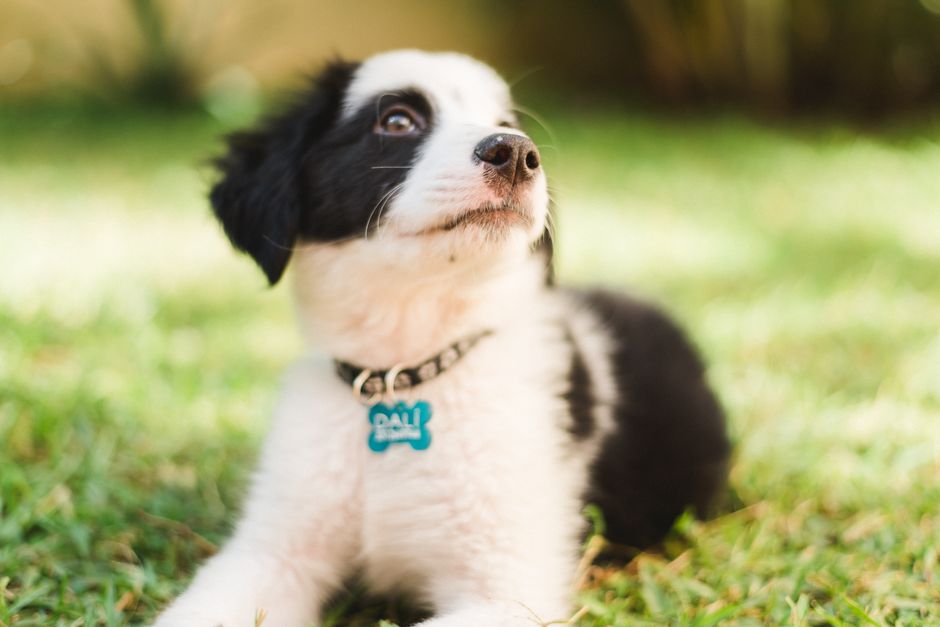
Shapes add personality. Classic round or bone-shaped tags are timeless, but you can also find paw prints, hearts, stars, or even custom silhouettes. Some owners choose tags that match their dog’s collar or their own style. Color is another personalization option—many tags come in anodized colors like red, blue, green, or pink. However, be cautious: colored coatings can chip over time, revealing the metal underneath. Laser engraving on bare metal is more durable than painted or printed designs. Pethna offers a range of shapes and finishes, including matte, glossy, and brushed metal, all with deep laser engraving that won’t wear off.
Beyond aesthetics, consider adding a QR code to your custom pet tag for dogs. This small square of dots can store a wealth of information, from multiple phone numbers to medical alerts. When scanned, it directs the finder to a secure online profile where they can contact you instantly. This is especially useful if your phone number changes or if you travel frequently. Some tags even allow you to update the profile remotely, so your tag never becomes outdated. Personalization also extends to the back of the tag—use it for a secondary phone number, a microchip number, or a simple “I’m lost” message. The more information you provide, the higher the chance of a quick reunion. Remember, a tag is only as good as the data it carries. Make sure every detail is accurate and up to date.
The Power of QR Code Technology in Pet Recovery
Traditional custom pet tags for dogs rely on engraved text, which is limited by space and can become illegible over time. QR code technology revolutionizes pet recovery by turning a small tag into a digital gateway. When a finder scans the QR code with their smartphone, they are instantly taken to a secure webpage that displays your pet’s profile. This profile can include your name, multiple phone numbers, email, address, medical conditions, and even a photo of your dog. The finder can contact you directly from the page, often with a single tap. No need to decipher worn engraving or guess at a smudged number.
The benefits are immense. First, QR codes are virtually indestructible when laser engraved onto stainless steel. They don’t fade, scratch, or peel. Second, you can update the information anytime without replacing the tag. If you move, change your phone number, or add a new emergency contact, simply log into your Pethna account and edit the profile. The tag remains the same. Third, QR codes can store far more data than a traditional tag. You can include vaccination records, allergies, behavioral notes, and even a reward offer. This is especially valuable for dogs with medical conditions like diabetes or epilepsy, where immediate information can be life-saving.
Another powerful feature is location tracking. Some QR code tags, including Pethna’s, allow the finder to share their location when they scan. This gives you a real-time map of where your pet was found, which is crucial if your dog is still moving. You can also set up automatic notifications—when someone scans your tag, you receive an alert with the finder’s location and a timestamp. This turns a passive tag into an active recovery tool. QR code technology also reduces the risk of privacy invasion. The finder only sees the information you choose to display, and you can revoke access at any time. For pet owners who want the highest level of security and convenience, a QR code tag is the clear choice. Pethna’s tags combine this technology with a sleek, waterproof design, making them the ultimate custom pet tags for dogs.
Waterproof & Durable: Tags That Last Through Anything
Dogs live in the moment—they splash through puddles, roll in snow, dig in dirt, and swim in lakes. Their tags must endure the same adventures. Waterproofing is a critical feature for custom pet tags for dogs, especially for active breeds like Labradors, Golden Retrievers, and Border Collies. A tag that rusts, fades, or becomes illegible after a few swims is useless. The best tags are made from materials that are inherently water-resistant, such as stainless steel or anodized aluminum. However, the engraving method matters just as much. Laser engraving creates a permanent mark by burning the surface, so it cannot be washed away or corroded. In contrast, stamped or printed tags can wear off over time.
Pethna’s custom pet tags for dogs are crafted from marine-grade stainless steel and laser engraved with deep, permanent markings. They are tested to withstand submersion in fresh and salt water, extreme temperatures, and UV exposure. The tags are also designed with a reinforced attachment hole to prevent breakage. Many tags fail because the ring wears through the hole or the tag itself snaps. Pethna uses a thicker gauge metal and a smooth, rounded edge to minimize wear on collars and rings. Additionally, the tags are coated with a protective layer that resists scratches and tarnishing.
Durability also means the tag stays attached. A lost tag is as bad as no tag. Pethna recommends using a split ring or a silicone tag silencer to reduce noise and prevent the tag from snagging. Some owners opt for a rivet-on tag that attaches directly to the collar, eliminating the risk of loss. For dogs who are particularly rough on their gear, consider a tag that is both waterproof and shatterproof. Silicone tags are waterproof but can tear; metal tags are more robust. The key is to choose a tag that matches your dog’s activity level. If your dog swims daily, a stainless steel tag with laser engraving is non-negotiable. Pethna’s tags are built to last a lifetime, ensuring that your contact information is always visible, no matter what your dog gets into.
How to Choose the Right Size and Shape for Your Dog
Selecting the correct size for custom pet tags for dogs is essential for comfort and functionality. A tag that is too large can be heavy and annoying, causing your dog to scratch or try to remove it. A tag that is too small may be difficult to read and can get lost in your dog’s fur. The general rule is that the tag should be proportional to your dog’s size. For small breeds like Chihuahuas or Yorkies, a tag with a diameter of 1 inch or less is ideal. For medium breeds like Beagles or Cocker Spaniels, 1.25 to 1.5 inches works well. Large breeds like German Shepherds or Golden Retrievers can handle tags up to 2 inches.
Shape also affects readability and comfort. Round tags are classic and easy to read, but they can spin and become hidden. Bone-shaped tags are popular and often have a larger surface area for text. Heart-shaped tags are cute but may have less space for engraving. Some owners prefer rectangular or oval tags, which offer a modern look and maximize text area. Consider your dog’s fur length—long-haired breeds may need a larger tag that sticks out, while short-haired breeds can wear smaller tags. The tag should hang below the collar but not drag on the ground.
Another factor is the attachment method. Most tags use a split ring that connects to the collar’s D-ring. Ensure the ring is strong enough—stainless steel split rings are best. Some tags come with a rubber silencer that holds the tag flat against the collar, reducing noise and preventing the tag from flipping over. This is especially useful for dogs who wear multiple tags (e.g., rabies tag, license, ID). Pethna offers tags in multiple sizes and shapes, all with a reinforced hole that fits standard split rings. You can also choose a tag that attaches directly to the collar with a rivet, which is the most secure option. Measure your dog’s collar width and neck circumference before ordering to ensure a perfect fit. A well-fitted tag is comfortable, readable, and unlikely to be lost.
Frequently Asked Questions About Custom Pet Tags
1. What information should I put on my custom pet tag for dogs?
At minimum, include your dog’s name and your phone number. Adding a second phone number (e.g., a spouse or neighbor) increases the chances of contact. You can also include your address, but some owners prefer to omit it for privacy. If your dog has a medical condition (e.g., diabetes, epilepsy), add a brief note like “Needs meds” or “Diabetic.” For QR code tags, you can store all this information digitally and update it anytime. Avoid putting your dog’s name on the front if you’re concerned about strangers calling them—some trainers recommend using “I’m lost” instead.
2. How do I clean and maintain my dog’s tag?
Stainless steel tags are low maintenance. Wipe them with a damp cloth to remove dirt and grime. For deeper cleaning, use mild soap and water, then dry thoroughly. Avoid abrasive cleaners or scrubbers that can scratch the surface. If the tag has a colored coating, be gentle to prevent chipping. Check the ring and attachment point regularly for wear. Replace the ring if it shows signs of thinning. With proper care, a high-quality custom pet tag for dogs can last for years.
3. Can I use a QR code tag if my dog already has a microchip?
Absolutely. A QR code tag complements a microchip, not replaces it. Microchips require a scanner, which not everyone has. A QR code tag provides instant access to information via a smartphone. Together, they offer the best protection: the tag for immediate visibility, the microchip as a permanent backup. Many owners also include the microchip number on the tag or in the digital profile. Pethna’s tags allow you to store your microchip number in the online profile, so finders can see it even if they don’t have a scanner.
4. Are custom pet tags for dogs safe for puppies?
Yes, but choose a lightweight tag for small puppies. Stainless steel tags are safe and hypoallergenic. Ensure the tag is not too large or heavy, as it can strain a puppy’s neck. Some owners wait until the puppy is fully grown to invest in a permanent tag, but it’s never too early to start identification. Pethna offers small-sized tags perfect for puppies, with rounded edges to prevent irritation. Always supervise your puppy with a new tag to ensure they don’t chew on it or get it caught on something.
Why Pethna Is the Ultimate Solution for Custom Pet Tags
After exploring the world of custom pet tags for dogs, one thing is clear: not all tags are equal. Pethna stands out as the ultimate solution because we combine premium materials, advanced technology, and a deep understanding of pet safety. Our tags are made from marine-grade stainless steel, laser engraved with permanent markings that never fade or rust. They are 100% waterproof, tested in saltwater, freshwater, and extreme weather conditions. But what truly sets Pethna apart is our integrated QR code system.
When you purchase a Pethna tag, you get access to a secure online profile that you can update anytime. If your dog gets lost, a finder scans the QR code and is instantly connected to you. They can share their location, send a message, or call you directly. You receive real-time alerts, so you know exactly where your pet was seen. This digital layer transforms a simple tag into a powerful recovery tool. Plus, our tags are designed with style in mind—choose from multiple shapes, sizes, and finishes to match your dog’s personality.
We also prioritize durability. Our tags come with a reinforced attachment hole and a high-quality split ring. We offer a lifetime guarantee on the engraving and materials. If your tag ever fails, we’ll replace it free of charge. That’s the confidence we have in our product. Thousands of pet owners have already trusted Pethna to keep their dogs safe, and our success stories speak for themselves. Don’t settle for a cheap tag that might fail when you need it most. Invest in the best custom pet tags for dogs—choose Pethna and give your furry friend the protection they deserve. Visit www.pethna.com today to design your tag and enjoy peace of mind, one scan at a time.