Dog Name Plates for Collars: The Ultimate Guide to Keeping Your Pet Safe (Waterproof, QR Code & More)
Discover the best dog name plates for collars, from traditional engraved tags to modern waterproof QR code solutions. Learn how Pethna’s smart tags help recover lost pets faster.
Introduction
Every dog owner knows the heart-stopping moment when a leash slips, a gate swings open, or a curious pup darts out the front door. In that split second, your dog’s identification becomes the only thread connecting them back to you. For decades, pet parents have relied on traditional dog name plates for collars—simple metal tags engraved with a name and phone number. But as technology advances, so does the way we protect our furry family members. Today, the market offers a wide range of options, from classic stainless steel plates to innovative waterproof QR code tags that link to a comprehensive digital profile. The challenge is choosing the right one that balances durability, visibility, and ease of use. That’s where Pethna comes in.
Pethna is a modern SaaS platform that pairs a rugged, waterproof QR code tag with a secure online profile, allowing anyone who finds your lost dog to instantly access your contact details, medical information, and even a “Lost Pet” alert system. In this comprehensive guide, we’ll explore everything you need to know about dog name plates for collars—from materials and attachment methods to the benefits of smart tags. By the end, you’ll understand why a simple engraved plate is no longer enough and how Pethna’s solution can give you true peace of mind.
Why a Dog Name Plate is Non-Negotiable for Every Pet Owner
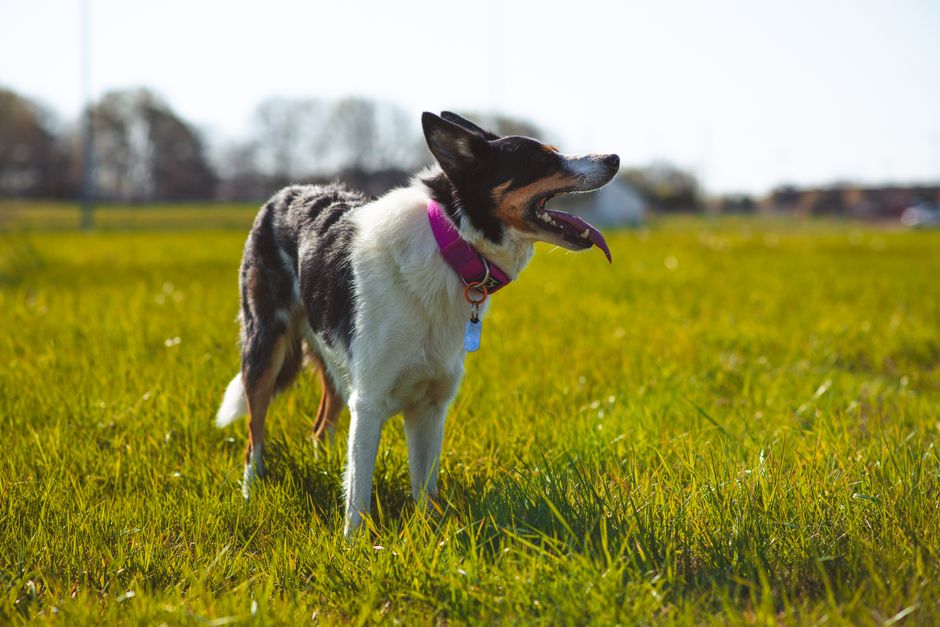
A dog name plate for collars is more than a fashion accessory—it’s a lifeline. According to the American Humane Association, one in three pets will become lost at some point in their lives. Without identification, only 15% of lost dogs ever find their way home. A collar with a name plate dramatically increases the odds of a happy reunion. It’s the first thing a Good Samaritan, animal control officer, or veterinarian checks when they find a stray pet. Unlike microchips, which require a scanner, a visible name plate provides immediate, actionable information. Even if your dog is microchipped, a name plate is the fastest way to get them back without a trip to the vet.
But not all name plates are created equal. A cheap, scratched tag with illegible engraving is worthless. A broken split ring can leave your dog without any identification at all. That’s why investing in a high-quality dog name plate for collars is essential. It should be readable from a distance, weather-resistant, and securely attached. Many pet owners underestimate the wear and tear a collar tag endures—running through bushes, swimming in lakes, rubbing against other dogs. A durable name plate survives all of that and still delivers clear information. Moreover, a name plate acts as a psychological deterrent to potential dog thieves. A visible ID tag signals that the dog is owned and monitored, making it less likely to be targeted.
Beyond safety, a name plate also serves as a form of expression. Pet owners can choose fonts, colors, and shapes that reflect their dog’s personality. But the primary function remains: reuniting you with your best friend. With the rise of smart technology, today’s dog name plates for collars can do even more. They can store multiple phone numbers, medical notes, and even a real-time location. However, the core principle stays the same—a simple, reliable way for someone to contact you. Whether you opt for a classic engraved plate or a modern QR code tag, having any form of identification is far better than none. In the next section, we’ll break down the different types of name plates available so you can make an informed choice.
Types of Dog Name Plates for Collars: Which One is Right for Your Dog?
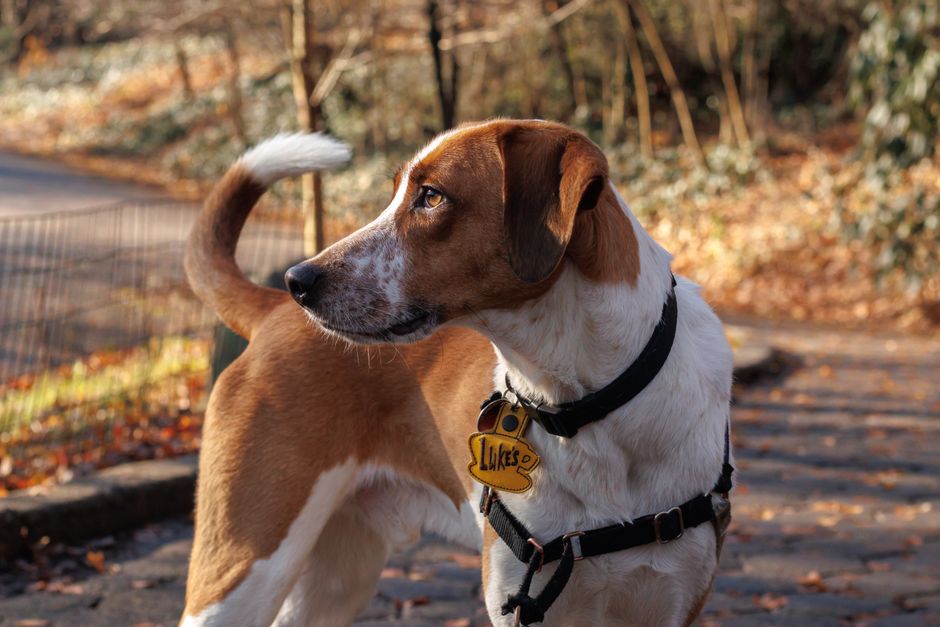
When shopping for dog name plates for collars, you’ll encounter a variety of styles, materials, and attachment methods. Each has its own pros and cons, and the best choice depends on your dog’s size, activity level, and environment. The most common type is the traditional engraved metal tag. These are typically made from stainless steel, brass, or aluminum, and feature a stamped or laser-engraved name and phone number. They are affordable, widely available, and come in many shapes (bone, circle, heart). However, they can be noisy, clanking against the collar buckle, and the engraving may wear off over time, especially with cheap aluminum tags.
Another popular option is the slide-on name plate, which attaches directly to the collar strap rather than dangling from a ring. These are often made of silicone or rubber with printed text, or metal with a curved design that fits snugly around the collar. Slide-on plates are quieter and less likely to get caught on branches or fences. They are ideal for active dogs that love to run through underbrush. However, the printing can fade or peel, and they may not be as visible from a distance as a dangling tag. Some slide-on plates are also difficult to read if the collar is dirty or wet.
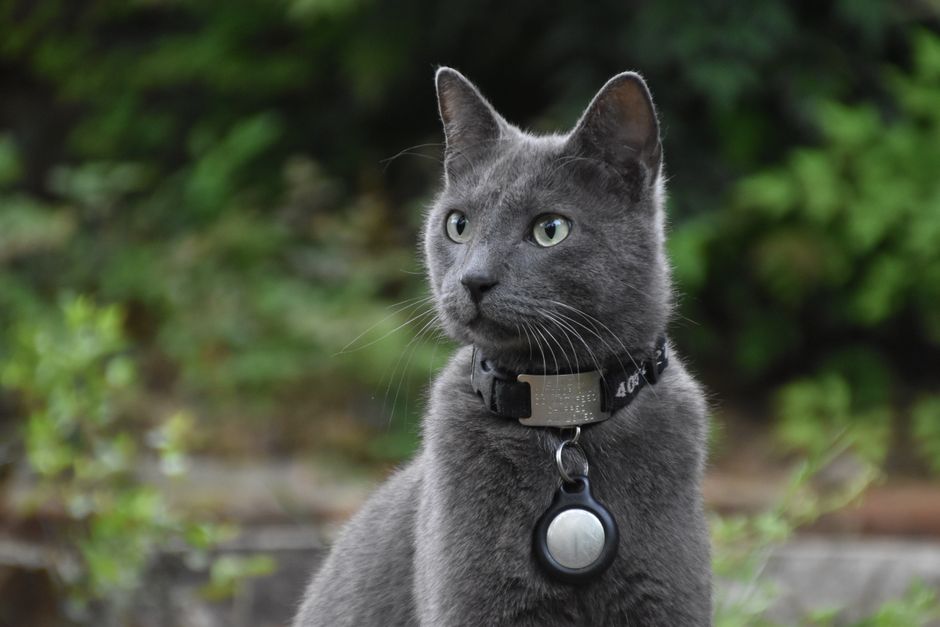
For pet owners who want a modern upgrade, QR code dog name plates are revolutionizing the industry. These tags combine a durable, waterproof physical plate with a scannable QR code that links to an online profile. No personal information is engraved on the tag itself—only the QR code and a short message like “Scan to help me get home.” The finder scans the code with their smartphone, and the profile displays the owner’s contact details, vet info, and even a “Lost Pet” alert. This adds an extra layer of privacy and flexibility. Pethna’s QR code tags are made from rugged, waterproof materials that survive swimming, rain, and mud. They are also lightweight and silent, making them comfortable for all-day wear.
Finally, there are custom engraved name plates with advanced features like glow-in-the-dark text, reflective surfaces, or even GPS tracking integration. While GPS tags are still emerging and require battery charging, they offer real-time location tracking. However, they are bulkier and more expensive. For most pet owners, a high-quality QR code tag like Pethna’s strikes the best balance between durability, functionality, and cost. It’s also worth considering the attachment method: split rings, S-hooks, or rivets. Split rings are the most common but can bend or break. Pethna uses a reinforced stainless steel ring designed to withstand heavy use. Ultimately, the right dog name plate for collars is one that fits your dog’s lifestyle and gives you confidence that they can be identified quickly.
15-day free trial — No commitment
All premium features unlocked. No credit card required. Protect your pet in 2 minutes.
Try free for 15 daysKey Features to Look for in the Best Dog Name Plates for Collars
Choosing the best dog name plates for collars requires careful evaluation of several critical features. The first and most important is durability. Your dog’s tag will be exposed to rain, sun, dirt, mud, swimming, and rough play. A cheap plastic tag will crack, and a poorly coated metal tag will rust. Look for materials like stainless steel, brass, or anodized aluminum. These are corrosion-resistant and can withstand repeated impacts. Pethna’s tags are made from a proprietary polymer blend that is both lightweight and virtually indestructible, even in saltwater or extreme temperatures.
The second feature is readability. A name plate is useless if the text is too small, blurred, or worn off. Engraving should be deep and clear, not just surface printing. Laser engraving is the gold standard because it creates permanent, high-contrast letters that won’t fade. The font should be large enough to read from a few feet away—typically 8pt to 12pt for a phone number. Some tags also include a QR code, which should be printed with high contrast against a clean background. Pethna’s QR codes are laser-etched directly into the material, ensuring they remain scannable even after years of use.
Waterproofing is another non-negotiable feature. Many dog owners love to take their pets swimming, hiking, or playing in the snow. A tag that becomes waterlogged or corroded will fail when you need it most. Look for IP67 or IP68 rating if possible. Pethna’s tags are fully submersible and have been tested to withstand being submerged in water for extended periods. Additionally, the tag should be silent or low-noise. Constant jingling can irritate both you and your dog. QR code tags are naturally quieter because they are flat and compact, but some metal tags have rubber silencers. Pethna’s design is completely silent, making it ideal for indoor dogs and apartment living.
Finally, consider the attachment system. A weak ring is the most common point of failure. A split ring that opens accidentally will cause your dog to lose their tag. Look for a reinforced ring or a quick-release S-hook made from stainless steel. Pethna uses a heavy-duty split ring that is welded shut, preventing accidental opening. Some owners prefer a “rivet” style that attaches directly to the collar, eliminating the ring altogether. However, these can be difficult to remove if you need to switch collars. The ideal attachment is secure yet removable. Also, think about visibility—reflective or glow-in-the-dark elements can help your dog be seen at night. While not a requirement for identification, it adds an extra safety layer. By focusing on these features, you can select a dog name plate for collars that will last for years and provide reliable protection.
How to Properly Attach and Maintain Dog Name Plates on Collars
Even the best dog name plates for collars won’t help if they fall off or become unreadable. Proper attachment and maintenance are crucial. Start by choosing the right location on the collar. Most owners attach the tag to the D-ring that comes with the collar, but some collars have a separate ID ring. If your collar has a buckle, attach the tag near the buckle so it doesn’t slide around. Avoid placing the tag directly over the nameplate area if you have a slide-on plate. For dangling tags, use a split ring that is the correct gauge—too thin and it will bend, too thick and it won’t fit through the tag hole. Always check that the ring is fully closed and that there are no gaps.
If you’re using a QR code tag like Pethna’s, you can also attach it to a harness D-ring. Many owners prefer this because harnesses are less likely to slip off than collars. However, be aware that some dogs can back out of a harness if it’s not properly fitted. The tag should be positioned so it doesn’t interfere with the dog’s movement or breathing. For slide-on plates, slide the collar through the plate’s slot, then adjust the plate so it’s centered on the collar. Make sure it’s snug enough not to shift but loose enough to slide if needed. Some slide-on plates have a locking mechanism; follow the manufacturer’s instructions.
Maintenance is equally important. Clean your dog name plate regularly to remove dirt, mud, and saliva. Use a soft cloth and mild soap; avoid harsh chemicals that can damage the coating or engraving. For metal tags, occasional polishing with a metal cleaner can restore shine. For QR code tags, simply wipe the surface to keep the code scannable. Check the attachment ring monthly for signs of wear—cracks, warping, or rust. Replace the ring immediately if it shows any damage. Also, inspect the tag itself for scratches or fading. If the engraving becomes difficult to read, it’s time to replace the tag. Pethna’s tags are designed to be long-lasting, but no product is indestructible.
Another important tip: never attach multiple tags to the same ring. Too many tags can weigh down the ring and cause it to fail. If you have a rabies tag, license tag, and name tag, use separate rings or a two-ring system. Alternatively, consider a tag that combines all information, like a QR code tag that links to your pet’s full profile. Pethna’s profile can store your dog’s rabies vaccination status, license number, and medical notes, eliminating the need for multiple tags. Finally, always test the tag’s readability periodically. Ask a friend to scan the QR code or read the engraving from a distance. A small investment of time each month can prevent a lost pet scenario.
The Evolution of Pet ID: From Engraved Tags to Smart QR Code Dog Name Plates
The history of dog name plates for collars dates back to ancient times, when dogs were branded or marked with symbols. In the 19th century, metal tags became common for hunting dogs and working animals. By the mid-20th century, engraved aluminum tags were a standard accessory for household pets. These tags were cheap and simple, but they had significant limitations: the engraving could wear off, the tag could fall off, and the information was static. If you moved or changed your phone number, you had to buy a new tag. This is why many pet owners today are turning to smart QR code dog name plates.
The leap from traditional tags to QR code tags was driven by the smartphone revolution. In 2015, the first smart pet ID tags hit the market, offering a scannable barcode or QR code that linked to an online profile. This allowed owners to update their contact information instantly without needing a new tag. It also enabled features like multiple phone numbers, emergency contacts, and medical records. The QR code itself can be printed on a durable tag that is smaller and lighter than a traditional engraved plate. This is a game-changer for small dogs and cats, who are often weighed down by heavy metal tags.
Today, the best dog name plates for collars are not just about identification—they are about connectivity and community. When a lost pet is found, the finder scans the QR code, which takes them to a webpage with the owner’s contact details and a “Lost Pet” alert. Some platforms, including Pethna, automatically send a text message to the owner when the code is scanned, giving them real-time notification that their pet has been found. Additionally, the finder can share their location, helping the owner locate their dog quickly. This immediate feedback loop is impossible with a static engraved tag.
The evolution also includes improved materials. Early QR code tags were printed on paper or plastic, which would fade or get damaged. Now, laser-etched QR codes on anodized aluminum or durable polymer are standard. Pethna’s tags are IP68 waterproof, meaning they can be submerged in 1.5 meters of water for 30 minutes without damage. They are also UV-resistant, so the code won’t fade in sunlight. The tag’s profile can be updated from any device, making it ideal for pet owners who travel frequently or have multiple caregivers. As technology continues to advance, we can expect even more features, such as NFC chips that allow instant access without scanning, or integration with pet tracking apps. But for now, a QR code dog name plate is the most practical, affordable, and reliable solution for modern pet safety.
Frequently Asked Questions About Dog Name Plates for Collars
1. Are dog name plates for collars required by law?
In many jurisdictions, dogs are required by law to wear a collar with an identification tag, usually a rabies vaccination tag and a license tag. However, a simple name plate with your phone number is not always mandatory, but it is highly recommended. Even if the law doesn’t require it, a name plate significantly increases the chances of a lost pet being returned. Some cities also require that the tag include the owner’s name and address. Always check local regulations. Pethna’s QR code tag can store your license number and rabies vaccination information, so you can comply with local laws while keeping your pet safe.
2. Can I use a QR code tag instead of a traditional engraved name plate?
Yes, absolutely. A QR code tag is a superior alternative to a traditional engraved plate. It allows you to update your contact information remotely, store multiple phone numbers, and include medical information. It’s also more private because only the finder sees your details after scanning. However, some owners prefer to have both: a small engraved tag with their phone number and a QR code tag for additional data. But a single QR code tag from Pethna is sufficient because the finder can call you directly from the scan page. The tag itself is silent, lightweight, and waterproof, making it an excellent choice for any dog.
3. How do I update the information on my Pethna QR code tag?
Updating your Pethna tag is simple and instant. Log into your Pethna account on the website or mobile app. Navigate to your pet’s profile and edit the fields—phone number, address, vet info, and any notes. Save the changes, and the next time someone scans your tag, they will see the updated information. There is no need to buy a new tag. This is especially useful if you move, change phone numbers, or go on vacation. You can also set a temporary emergency contact if you’re traveling. The tag remains the same; only the online profile changes.
4. What if my dog’s collar gets lost or the tag falls off?
Even with a high-quality dog name plate for collars, there is always a risk of the tag or collar being lost. That’s why microchipping is still recommended as a backup. However, Pethna’s tags are designed to stay attached with a reinforced split ring. To minimize the risk, use a collar that fits snugly but not too tight, and check the tag attachment regularly. If your dog swims frequently, consider a collar that has a built-in D-ring for the tag. Some owners also use a backup tag on the dog’s harness. Additionally, Pethna offers a “Lost Pet” feature that, when activated, sends an alert to your local network of pet finders. If your tag is lost, you can still use the platform to create a digital lost pet poster.
Why Pethna is the Ultimate Solution for Dog Name Plates for Collars
After exploring the many options for dog name plates for collars, one solution stands out as the most comprehensive, reliable, and user-friendly: Pethna. Pethna is not just a tag—it’s a complete lost pet recovery system. The tag itself is a marvel of modern engineering. Made from a proprietary polymer that is both lightweight and incredibly durable, it is 100% waterproof (IP68 rated), UV-resistant, and silent. No more jingling tags that annoy you and your dog. The QR code is laser-etched directly into the surface, ensuring it remains scannable for years, even after exposure to mud, sand, or saltwater.
But what truly sets Pethna apart is the platform behind the tag. When a finder scans your dog’s QR code, they are taken to a secure, mobile-optimized page that displays your contact information, including multiple phone numbers, email, and even a custom message. You can also store your dog’s medical history, allergies, and vaccination records—critical information if your pet is injured or needs emergency care. The moment the code is scanned, you receive an instant text message and email alert with the finder’s location (if they grant permission). This real-time notification can mean the difference between hours of panic and a quick reunion.
Pethna also offers a robust “Lost Pet” feature. If your dog goes missing, you can activate a lost mode from your account. This updates your pet’s profile to display a prominent “LOST” banner and a “Contact Owner” button. You can also share a digital lost pet flyer on social media, which includes the QR code so people can scan it to see the latest information. The platform includes a community of Pethna users who can receive alerts when a lost pet is reported in their area. This network effect dramatically increases the chances of your dog being spotted and returned.
Furthermore, Pethna’s tags are incredibly affordable. There are no monthly fees for the basic profile—just a one-time purchase of the tag. Premium features like extra contacts, real-time location sharing, and unlimited profile updates are available at a low subscription cost. Compared to other smart tags that require a monthly subscription for basic functionality, Pethna offers exceptional value. The tag also comes in a variety of colors and sizes, suitable for dogs of all breeds, from Chihuahuas to Great Danes. And because the tag is reusable, you can transfer it to a new pet simply by updating the profile.
In summary, Pethna provides the ultimate dog name plate for collars because it combines rugged durability, instant connectivity, and a powerful recovery network. Traditional engraved tags are obsolete in a world where smartphones are everywhere. Pethna leverages that technology to give you peace of mind. Whether you’re a new puppy owner or a seasoned pet parent, investing in a Pethna tag is one of the smartest decisions you can make. Don’t wait until your dog gets lost—protect them today with the best in smart pet identification. Visit Pethna.com to order your tag and create your pet’s profile now.