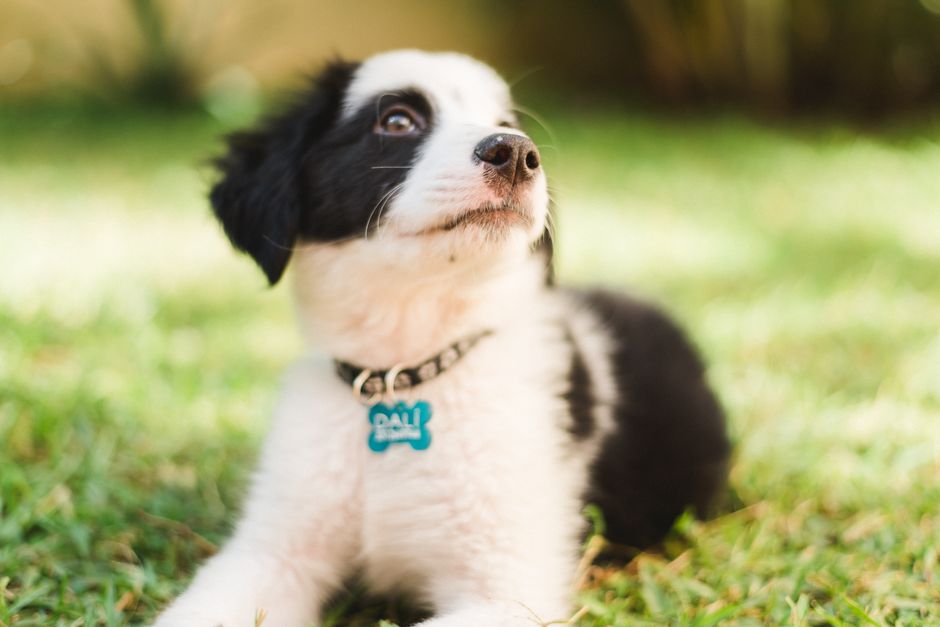
Dog Tag with Name: Why a Simple Tag Could Save Your Pet’s Life
A dog tag with name is more than an accessory—it is your pet’s first line of defense if they get lost. Discover how modern waterproof QR code tags like Pethna combine durability with instant recovery.
You are walking through a crowded park, and for just one second you glance at your phone. In that blink, your dog spots a squirrel and bolts. Your heart stops. The panic sets in—will someone be able to help your dog get back to you? This scenario plays out thousands of times every single day across the globe. For any dog owner, the single most important piece of identification you can provide is a dog tag with name and your contact information. It is a tiny, inexpensive token that carries a massive responsibility. Yet, surprisingly, many owners settle for flimsy metal stamps that fade, rust, or fall off within weeks. At Pethna, we believe that your dog’s safety should be built on cutting-edge technology and uncompromising durability. In this guide, we will walk you through everything you need to know about choosing the best dog tag with name, why traditional tags fall short, and how a modern waterproof QR code tag can truly be a lifesaver. Whether you’re a first-time puppy parent or a seasoned dog owner, this article will change the way you think about pet identification forever.
Why a Dog Tag with Name Is Non-Negotiable
Every dog, regardless of breed, size, or temperament, has the potential to become lost. A startling one in three pets will go missing at some point during their lifetime, according to the American Veterinary Medical Association. Among those, the dogs that wear a dog tag with name and a phone number are dramatically more likely to be reunited with their families than those without identification. The reason is simple: a tag turns a frantic search into a straightforward phone call. When a Good Samaritan picks up your dog, the first thing they look for is a tag with a name. It builds trust instantly. They know the dog is cared for and has a home waiting. Without a name, even a friendly dog can appear stray, leading to delays at a shelter or, worse, a permanent lost outcome. A dog tag with name is your pet’s voice when they cannot speak. It is a direct link back to you, and it works 24/7 without batteries or internet connectivity. In an emergency, seconds count. A visible name tag eliminates guesswork. It gives finders immediate confidence to act. Moreover, many jurisdictions and boarding facilities require dogs to wear identification. So beyond safety, it is often the law. From a practical standpoint, a tag with a name also helps in non-emergency situations. If your dog wanders into a neighbor’s yard, they can quickly see the name and call you rather than making assumptions. This prevents misunderstandings and keeps community relations friendly. Finally, a dog tag with name provides peace of mind for you. Every time you see it jingling on your dog’s collar, you have a tangible safety net. It is a constant, silent guardian that costs so little yet delivers extraordinary value. In a world full of uncertainties, that reassurance is priceless.
The Hidden Risks of Traditional Dog Tags
When most people think of a dog tag with name, they picture a classic metal stamp—a rectangle of brass or stainless steel engraved with letters. While these tags have been around for decades, they come with serious hidden flaws that put your pet at risk. The first and most common problem is wear and tear. Traditional stamped tags are notorious for fading. After a few months of exposure to rain, sunlight, and rough play, the engraved letters can become shallow and illegible. A finder may squint and try to read a worn-out tag, only to give up. Second, traditional tags often use split rings or S-hooks that are weak and prone to bending or breaking. A dog that runs through bushes or shakes vigorously can easily snap a cheap ring. Suddenly, your dog is tagless in the middle of a busy street. Third, classic metal tags create noise. The constant clanking against collar buckles and other tags can be annoying for the dog and disruptive for the household. More importantly, some dogs can chew a metal tag and ingest dangerous shards. Fourth, traditional tags have limited space. You can only fit a name and one phone number. If that number is your home line and you are at work, the finder hits a dead end. There is no way to include a second contact, a medical alert, or a microchip number. Fifth, humidity and moisture cause rust and corrosion. Even a supposedly “stainless steel” tag can develop pitting and discoloration, which eventually obscures the engraving. A dog that loves water, swims in lakes, or gets caught in rain will quickly degrade a conventional tag. Finally, traditional tags lack any digital capability. In the modern world, we expect instant data. A simple name and number may not be enough when the finder is nervous, the phone number is outdated, or the owner is unreachable. These risks transform a simple dog tag with name from a safety device into a false sense of security. Relying on outdated technology can literally cost your dog’s life.
What Makes a Dog Tag with Name Truly Effective
A truly effective dog tag with name goes far beyond having letters punched into metal. It is a carefully engineered piece of safety equipment that performs under the worst conditions. The first hallmark of effectiveness is durability. The tag must withstand rain, mud, snow, UV exposure, and constant movement without fading, cracking, or rusting. Waterproof construction is essential—not just water-resistant. A tag that survives a dip in a puddle but disintegrates after a swim in the ocean is not reliable. The second characteristic is readability. The letters, numbers, or symbols must remain crisp and legible for years. Engraving is superior to stamping because it cuts deeper into the material. Laser engraving on anodized aluminum or medical-grade stainless steel offers the best longevity. Third, an effective tag provides multiple contact pathways. At minimum, it should include your pet’s name, your phone number, and ideally a secondary number or a digital link. This is where modern QR code tags shine. They store a dynamic profile that includes not just one number but multiple contacts, medical notes, and even a photo. Fourth, the attachment mechanism must be secure. A heavy-duty D-ring or a reinforced plastic loop that cannot be easily snapped by force is critical. Fifth, the tag should be lightweight and quiet. Dogs should not feel burdened by their identification. Silicone or coated aluminum options are lighter and produce less noise than bare metal. Sixth, the tag should be easy to update. Life changes: you move, you change your phone number, you get a new emergency contact. A tag that requires you to buy a whole new product every time you update your info is inefficient. A digital QR code tag allows you to edit your pet’s profile instantly from your phone. Finally, a truly effective dog tag with name is visible. It should be large enough to be noticed but not so big that it becomes a hazard. Reflective or bright colors also help for low-light situations. When you combine all these qualities, you get a tag that works when it matters most.
15-day free trial — No commitment
All premium features unlocked. No credit card required. Protect your pet in 2 minutes.
Try free for 15 daysTraditional vs. Digital Dog Tags: A Side-by-Side Comparison
The pet identification landscape has evolved dramatically, and the key distinction today is between traditional analog tags and modern digital QR code tags. Both serve the same purpose, but their performance, reliability, and features differ profoundly. Let’s break it down.
Durability and Longevity: Traditional metal tags—brass, stainless steel, or even anodized aluminum—can corrode over time, especially in humid or marine environments. The engraved letters wear down with friction against the collar and during play. Digital tags like Pethna are made from high-grade, waterproof PET or anodized aluminum. They are designed to resist scratching, fading, and corrosion. A digital QR code tag typically outlasts a traditional tag by years.
Information Capacity: A traditional dog tag with name can hold roughly 10 to 20 characters per side. You can squeeze a name, a phone number, and maybe an address—but space runs out fast. A digital QR code tag stores unlimited information online. You can list multiple phone numbers, home address, medical conditions (like diabetes or allergies), vet information, and even a photo. The finder scans the code and sees everything at once.
Updateability: Traditional tags are static. If you move or change phone numbers, you must buy a completely new tag. Many owners forget to update, rendering their tag useless. Digital tags are dynamic. You edit your pet’s profile through a secure online dashboard. Your current info is always accurate. There is no waste, no reordering.
Findability for Good Samaritans: With a traditional tag, a finder must read tiny engraved letters, which is difficult in poor lighting or if the tag is dirty. They then dial the number. If you don’t answer, they may give up. With a QR code tag, any smartphone can scan the code instantly. The finder sees a full profile, can click to call directly from the screen, or send an SMS. No typing errors, no illegible handwriting.
Noise and Comfort: Metal tags clank and jingle constantly, which can annoy sensitive dogs and disrupt sleep. Digital tags made from softer or coated materials are quieter. They are also lighter, reducing neck strain for small breeds.
Security: Some owners worry about QR codes exposing private data. Reputable digital tag services, like Pethna, allow you to choose what information is visible. You can hide your home address and show only a phone number and a message. Traditional tags display everything openly to anyone who reads them.
Cost Over Time: A cheap traditional tag costs a few dollars but must be replaced every year or two. A quality digital tag has a higher upfront cost but lasts for many years with zero replacement fees for updates. For most owners, the digital option is more economical in the long run and far more reliable.
The conclusion is clear: while a traditional dog tag with name was once the standard, digital QR code tags represent the future of pet safety. They are more robust, more informative, and more likely to bring your dog home.
How Pethna’s Waterproof QR Code Dog Tag Works
Pethna has engineered a dog tag with name that solves every weakness of traditional tags. We combine the simplicity of a classic name tag with the power of modern QR technology. The process is straightforward and designed for peace of mind.
First, you purchase a Pethna tag from www.pethna.com. Each tag comes pre-equipped with a unique QR code that is laser-engraved directly into the surface. This engraving is permanent—it will not wash off, scratch loose, or fade with sun exposure. The tag itself is constructed from a multi-layer composite that is fully waterproof to IP68 standards. It can be submerged in water up to 1.5 meters for 30 minutes without damage. Your dog can swim, run in the rain, splash in puddles, and the tag remains perfectly readable.
Second, you create your pet’s digital profile. Using a simple online interface, you add your dog’s name, your primary and secondary phone numbers, your address (optional), any medical alerts, and even a photo. You control exactly what a finder sees. When the profile is complete, you activate the QR code. The tag is now live and linked to your pet.
Third, if your dog ever gets lost, a finder scans the QR code with any smartphone camera. No app download required. The camera reads the code instantly and opens a secure webpage displaying your pet’s name and your contact information. The finder can tap a button to call you directly. If you are unavailable, they can send a pre-filled SMS. The system also records the finder’s approximate location (with their permission) so you can narrow down the search area.
Fourth, Pethna includes a 24/7 emergency support team. If the finder cannot reach you, they can call Pethna’s hotline, and our team will try to contact you via your backup numbers and email. We act as a bridge between finder and owner, maximizing the chance of a reunion.
Fifth, updating your information is free and instant. If you move, change your number, or adopt a new pet, you simply log into your pet’s profile and edit the fields. The QR code on the tag remains the same. You never need to buy a new tag.
Finally, the tag comes with a heavy-duty waterproof silicone housing. This protects the QR code from scratches and makes the tag nearly silent when your dog moves. The attachment ring is reinforced stainless steel that will not rust or snap. Pethna turns a simple dog tag with name into a smart, connected safety system that works anywhere in the world.
Real-World Scenarios Where a Dog Tag with Name Pays Off
Imagine these situations, each of which could happen to any dog owner tomorrow. In every case, a high-quality dog tag with name, especially a digital one, makes the difference between a quick reunion and a tragedy.
Scenario 1: The Backyard Escape. Your dog digs under the fence while you are at work. A neighbor sees the dog wandering down the street. With a traditional tag, they have to approach the dog, read a small, possibly worn engraving, and hope they can dial the number. With a Pethna tag, they snap a quick photo of the QR code with their phone. Instantly, your name and phone number appear. They call you directly. You rush home. The dog is back within 20 minutes.
Scenario 2: Vacation Disaster. You are on a road trip and your dog gets spooked by fireworks at a campsite. He darts into the woods. The area is unfamiliar. You search for hours. A park ranger finds your dog but cannot read the tiny, scratched metal tag. He takes the dog to a local shelter. The shelter scans for a microchip—none found. It takes days to find you through lost-pet databases. With Pethna, the ranger scans the QR code, sees your out-of-state phone number, calls you, and within an hour you are reunited at the campsite.
Scenario 3: Medical Emergency. Your elderly dog has a heart condition and is on medication. He slips out the door when a delivery person arrives. A kind woman picks him up and sees his QR code tag. She scans it and immediately sees a medical alert: “Requires daily heart medication. Please call 555-0100.” She calls you and also stays calm because she knows the dog’s name. You rush home, medicine in hand. The dog is safe.
Scenario 4: Snowstorm Separation. During a blizzard, your dog gets lost in the snow. A driver finds him shivering and cannot make out the letters on a frozen metal tag. The metal is too cold to read. With Pethna, the driver brushes off the snow, scans the QR code, and gets your number immediately. He calls you while the dog is in his warm car. No frostbite, no panic.
Scenario 5: House Sitter Confusion. You are out of town and a house sitter accidentally leaves the gate open. The dog wanders into a neighbor’s yard. The neighbor knows the dog’s name from the tag and calls you. But your phone number on the tag is your old one. With Pethna, you have updated your profile to your current travel number before you left. The neighbor calls the right number instantly.
These are not hypotheticals—they are stories from real Pethna users. A modern dog tag with name is not just a piece of metal; it is a lifesaving tool.
How to Choose the Right Dog Tag with Name for Your Pet
With so many options on the market, selecting the perfect dog tag with name can feel overwhelming. To make the right choice, focus on these key factors that directly impact safety and convenience.
1. Material and Durability. Do not settle for thin aluminum or cheap brass. Look for medical-grade anodized aluminum, stainless steel, or high-impact waterproof PET. The tag should feel solid and resist scratching. Avoid tags that claim to be “water-resistant”—only “waterproof” to a certified standard like IP68 is acceptable for active dogs.
2. Attachment Security. The tag is only useful if it stays on the collar. Choose a tag that comes with a robust, rust-proof split ring or a reinforced polymer clip. Avoid thin, open-ended rings that can be pried open by a branch or fence. Some tags incorporate a silicone bumper that holds the tag flat against the collar, reducing the chance of snagging.
3. Readability and Visibility. For traditional tags, ensure the engraving is deep and the letters are at least 3mm tall. For digital tags, the QR code must be large enough to scan from a distance but compact enough to fit on the tag. High-contrast colors—like a black code on a white or bright yellow background—scan best. Reflective coating adds an extra layer of safety for nighttime adventures.
4. Noise Level. If your dog is sensitive to noise or if you have multiple dogs, consider a silent tag. Silicone-coated tags or tags that sit inside a soft casing produce almost no sound. This keeps your pet calm and your house quiet.
5. Information Capacity. Think beyond today. Will you move? Will your phone number change? Do you want to include an emergency vet contact? A traditional tag limits you to a single number. A digital QR code tag gives you unlimited capacity. It is future-proof.
6. Ease of Setup. Some QR code tags require you to download an app or scan a code on a cardboard insert. The best systems, like Pethna, have the QR code pre-activated on the tag. You simply log in from any web browser, fill in your pet’s details, and you are done. No app clutter.
7. Customer Support and Community. Check if the company offers 24/7 support. If your pet gets lost at 3 AM, a responsive support team can make the difference. Also, look for a community of users and lost-pet resources. Pethna, for example, has a dedicated lost-pet alert service that notifies nearby members.
8. Price vs. Value. A cheap tag may cost $5 but need replacement every six months. A quality digital tag may cost $20–$30 but lasts for years and includes free profile updates. The value is clear: a one-time investment in safety is priceless when your dog’s life is on the line.
By evaluating each of these criteria, you can choose a dog tag with name that fits your lifestyle and provides the strongest possible protection for your furry family member.
Frequently Asked Questions About Dog Tags with Names
1. Is a dog tag with name enough, or do I still need a microchip?
A dog tag with name and a microchip work as a team, not as substitutes. A microchip is a permanent implant that requires a scanner to read, and not every finder has access to one. A visible tag is the first thing a Good Samaritan sees. It provides immediate contact information without any special equipment. However, if the tag falls off or becomes illegible, a microchip is the backup. For maximum safety, always use both. A QR code tag like Pethna enhances this combination by allowing finders to access microchip information through your online profile.
2. How often should I replace or update my dog’s tag?
Traditional metal tags should be inspected monthly. If the engraving is fading or the ring is bending, replace it immediately. For digital tags, you do not need to replace the physical tag unless it becomes physically damaged. However, you should update the digital profile every time your contact information changes. Pethna allows unlimited free updates, so you can keep your tag current without buying a new one.
3. Can a QR code dog tag be scanned without an internet connection?
Some QR codes require internet access to load the pet profile. Pethna’s system is designed to work with a data connection. In remote areas where cellular coverage is weak, the finder can take a screenshot of the QR code and view the link later when they reconnect. We also recommend including a short text backup on the tag itself, such as a phone number, for truly offline situations. That is why Pethna tags also feature your pet’s name and a phone number laser-engraved alongside the QR code.
4. Are QR code tags safe from privacy breaches?
This is a common concern. Reputable services like Pethna allow you to control your privacy settings. You can choose to display only your pet’s name and a phone number, hiding your home address and other sensitive data. The QR code leads directly to a secure landing page with no tracking beyond basic analytics. Unlike a traditional tag that broadcasts your address to anyone who sees it, a QR code gives you the choice of what to share. Always choose a provider that offers granular privacy controls.
5. What if my dog loses the tag or the QR code gets scratched?
High-quality tags are built to resist scratches. Pethna’s tags have a hardened surface layer and a protective silicone housing. However, no tag is indestructible. If the QR code becomes unreadable, you can request a replacement tag at a discounted price. To minimize loss, use a secure attachment method and check the ring weekly. Many owners buy two tags: one for the everyday collar and one as a spare stored in the dog’s travel bag.
Why Pethna Is the Ultimate Dog Tag with Name Solution
After exploring the risks of traditional tags, the power of digital technology, and the criteria for excellence, one name stands above the rest: Pethna. We do not just sell a dog tag with name—we deliver a complete pet recovery system. Every Pethna tag is engineered with military-grade materials that are tested for waterproofing, UV resistance, and impact tolerance. We offer the only tag that combines a permanent laser-engraved name and phone number with a smart QR code that unlocks a dynamic, editable profile. This hybrid design ensures that even if a finder cannot scan the code, they still have visible contact information. No other tag balances analog reliability with digital convenience this effectively.
Pethna tags are also backed by round-the-clock human support. Our lost-pet response team is available 365 days a year to assist finders and owners. We do not disappear after the sale. When you choose Pethna, you join a global community of pet parents who share alerts and help each other in emergencies. Our platform is intuitive, requiring no smartphone app or monthly subscription. You create a profile once, and it is active for the life of the tag. Updates are free forever.
Moreover, we understand that your dog is family. That is why every Pethna tag comes with a satisfaction guarantee. We believe so strongly in our product that we offer a one-year warranty against defects. If the tag fades, cracks, or fails to scan, we replace it for free. Our customers consistently report that the peace of mind they gain from Pethna is worth far more than the price of the tag.
When you buy a dog tag with name, you are not just buying a trinket—you are investing in a reunion. You are equipping your dog with the best chance to come home if the unthinkable happens. Pethna redefines what a simple tag can do. It is durable, smart, and always ready. Visit www.pethna.com today to choose your design, create your pet’s profile, and take the single most important step in protecting your best friend. Because when it comes to your dog’s safety, nothing less than the best will do.