Engraved Animal Tags: The Ultimate Guide to Durable, Smart Pet Identification
Discover everything you need to know about engraved animal tags for your pet. Learn why combining traditional engraving with modern QR code technology offers unmatched safety, durability, and peace of mind for lost pet recovery.
Every pet owner knows the sinking feeling of a collar slipping off or a microchip failing to scan. When your furry friend darts out the door or escapes through an unlatched gate, the only chance of a safe reunion often hangs on a tiny piece of metal. For decades, engraved animal tags have been the gold standard in pet identification—simple, durable, and instantly recognizable. But traditional tags have limitations: they can rust, fade, or carry only a phone number. As technology evolves, so does pet safety. Enter Pethna, the revolutionary SaaS platform that marries the permanence of engraved animal tags with the dynamic power of waterproof QR codes. In this comprehensive guide, we will explore every facet of engraved animal tags, from materials and engraving methods to how modern digital solutions can keep your pet safer than ever before. Whether you are a first-time pet parent or a seasoned guardian, understanding the full landscape of pet ID will help you make an informed choice. Let's dive into the world of engraved animal tags and discover why Pethna is leading the way in lost pet recovery technology.
What Are Engraved Animal Tags?
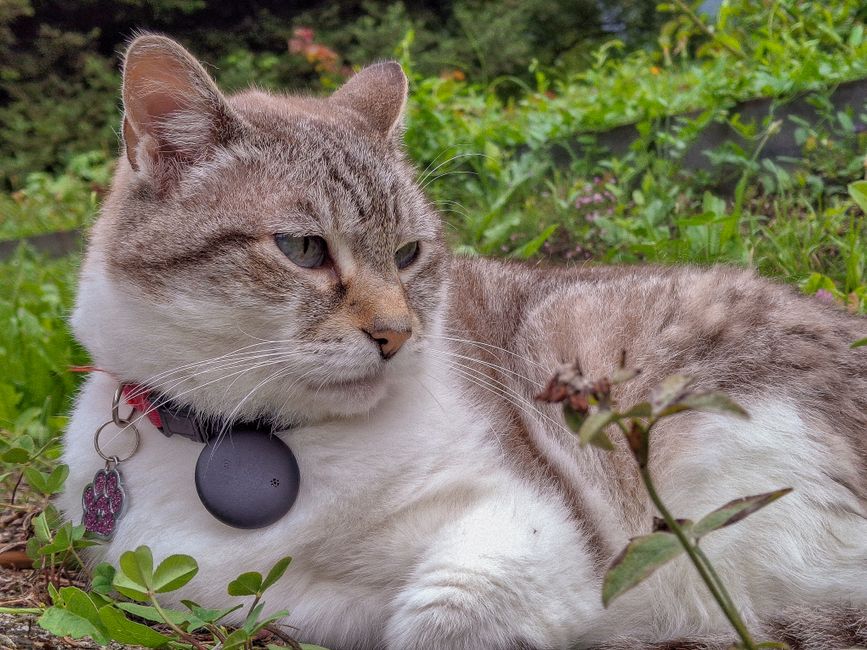
Engraved animal tags are small identification plates worn on a pet's collar that contain essential contact information permanently cut or etched into the surface. Unlike printed tags that can wear off, engraving creates deep, lasting grooves that remain legible for years. These tags are typically made from metals like stainless steel, brass, or aluminum, each offering different levels of durability and weight.
The process of engraving can be done mechanically (using a rotary tool), by laser, or through chemical etching. Mechanical engraving physically cuts into the metal, producing a tactile groove that is resistant to abrasion. Laser engraving vaporizes a thin layer of the metal, creating a high-contrast mark that is equally permanent. Traditional stamped metal tags, where letters are pressed into the surface, also fall under the category of engraved animal tags.
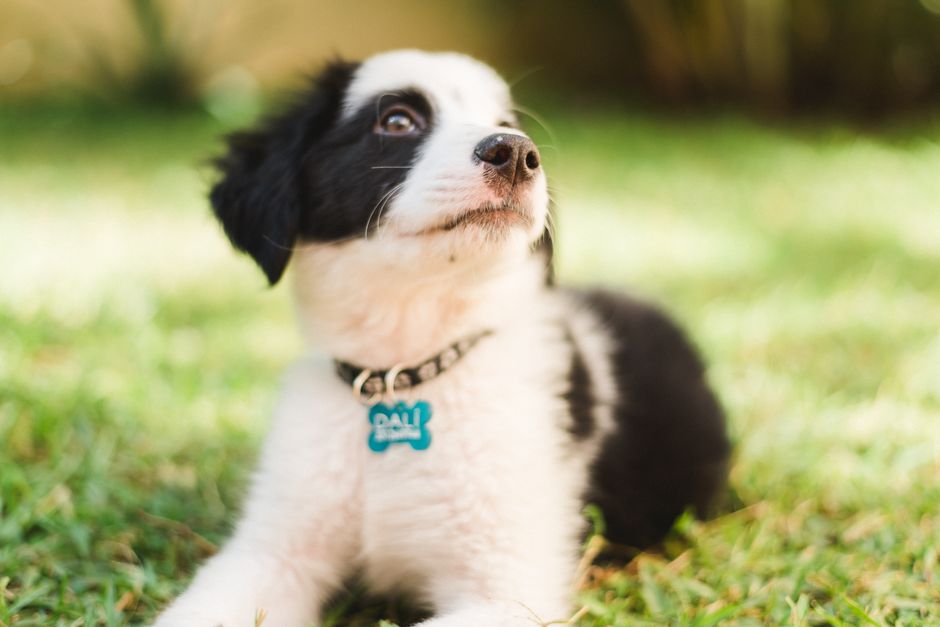
Today, engraved tags come in a variety of shapes, sizes, and colors. Some include space for the pet's name, owner's phone number, and even medical conditions. However, the amount of information is limited by the tag's physical area. This is where modern innovations like Pethna's QR code tags step in. By combining a durable engraved tag with a scannable QR code, you get the best of both worlds: an instantly readable permanent identifier and access to a fully updatable digital profile.
Why Choose Engraved Animal Tags Over Other Identification Methods?
When it comes to pet ID, you have several options: collars with embroidered names, microchips, GPS trackers, and tags of various types. Engraved animal tags stand out for several compelling reasons.
Durability and Longevity
Unlike printed plastic tags or embroidered fabric collars, metal engraved tags withstand extreme weather, rough play, and constant rubbing. Rain, mud, snow, and even a dip in the lake won't erase the engraving. A well-made stainless steel engraved tag can last the entire life of your pet, often outliving collars. This longevity makes them a cost-effective choice, as you don't need to replace them frequently.
Immediate Visibility
A microchip is hidden under the skin and requires a special scanner to read. GPS trackers need batteries and a subscription. But an engraved animal tag is immediately visible to anyone who finds your pet. A stranger can pick up the tag, read your phone number, and call you within seconds—no technology required. This simplicity is invaluable during the critical first hour after a pet goes missing.
No Batteries or Electronics
While GPS trackers offer real-time location, they can fail when the battery dies or the network is unavailable. Engraved tags are entirely passive and always ready. They don't rely on Wi-Fi, Bluetooth, or cellular connectivity. This makes them a reliable backup to any electronic device.
Legal Compliance
Many municipalities and countries require pets to wear identification tags in public. An engraved animal tag often meets these legal requirements, especially if it includes the owner's name and address. Microchips alone may not satisfy local ordinances.
Complementing Modern Solutions
Engraved tags are not obsolete—they are the perfect foundation for a hybrid identification system. By pairing a traditional engraved tag with a QR code that links to a digital profile (like Pethna's), you get both immediate contact and dynamic information. The engraved portion provides a permanent safety net, while the QR code allows you to update emergency contacts, medical notes, and even a photo in real time.
The Evolution: From Metal Engraving to Smart QR Technology
The concept of pet identification is ancient. Dogs and cats have worn collars with inscribed tags for centuries. Early tags were simple metal discs stamped with a name and address. Over time, materials improved—brass gave way to stainless steel, and engraving machines became more precise.
In the late 20th century, microchips emerged as a permanent, subcutaneous ID. However, microchips have their own limitations: they require a scanner, can migrate within the body, and are not always registered correctly. This led many pet owners to retain engraved tags as primary visibility IDs.
The digital era brought QR codes into the picture. Initially, QR codes were printed on paper or plastic tags, but those faded, tore, or got wet easily. The next step was to embed QR codes onto durable metal tags, but printing a code onto metal still lacked the permanence of engraving. Some companies attempted to laser-engrave QR codes directly onto tags, but that often resulted in low-scannability due to low contrast or distortion.
Pethna solved this dilemma by engineering a waterproof, high-resolution QR code that is bonded to the tag surface using an industrial-grade process. Unlike printed codes, Pethna's QR code withstands water, heat, and scratching. Plus, the tag itself features traditional engraved text with your pet's name and essential contact info. This hybrid approach ensures that even if the QR code ever gets damaged (which is highly unlikely), the engraved information remains intact.
Today's pet owners demand both reliability and flexibility. Engraved animal tags alone cannot be updated, and purely digital tags risk failure. Pethna's innovation marries the best of both worlds: the timeless permanence of engraving with the adaptability of a cloud-based profile.
15-day free trial — No commitment
All premium features unlocked. No credit card required. Protect your pet in 2 minutes.
Try free for 15 daysKey Benefits of Using Pethna's Waterproof QR Code Tags Combined with Engraving
Pethna's tags are not just another pet ID—they are a complete lost pet recovery system. Here are the standout advantages of choosing Pethna over traditional or purely digital tags.
Permanent Engraving for Instant Contact
Every Pethna tag includes deeply engraved text on the front, typically your pet's name and your phone number. This ensures that even without scanning the QR code, anyone who finds your pet can call you immediately. The engraving is laser-etched onto stainless steel, making it permanent and resistant to fading.
Waterproof and Weatherproof Design
Pethna tags are built to survive the elements. Whether your pet swims in the ocean, rolls in mud, or plays in snow, the tag remains fully functional. The QR code is protected by a clear, industrial-grade coating that prevents water damage, UV fading, and scratching. No more worrying about illegible tags after a rainy walk.
Dynamic Digital Profile
The QR code links to a secure, editable online profile managed through Pethna's platform. You can update your phone number, add an address, list medical conditions, upload a recent photo, and even provide alternate contacts. If you move or change your number, you don't need to buy a new tag—just update the profile. This is a game-changer for renters and travelers.
Global Accessibility
Anyone with a smartphone can scan the QR code without needing a special app. The profile opens in any browser and can be translated into over 100 languages. This is critical if your pet goes missing in a foreign country or if a non-English speaker finds them.
Quick Recovery with Notifications
When someone scans your pet's tag, Pethna sends you an instant email and SMS alert with the finder's location (if shared). This gives you real-time information about where your pet was sighted, helping you coordinate a swift rescue.
Durable Materials
Pethna uses 100% stainless steel tags with a polished finish. They are lightweight yet robust, available in multiple shapes and colors. The engraving is clear and deep, ensuring legibility for years.
How to Choose the Best Engraved Animal Tags for Your Pet
Selecting the right engraved animal tags requires considering several factors beyond just the text. Here's what to look for.
Material
Stainless steel is the superior choice for most pets. It is rustproof, strong, and hypoallergenic. Brass and aluminum are also common, but brass can cause discoloration on some pets' fur, and aluminum is lighter but less durable. Avoid nickel-plated tags if your pet has metal allergies.
Engraving Depth and Quality
The deeper the engraving, the longer it will last. Look for laser engraving or rotary engraving that cuts at least 0.2mm into the metal. Shallow surface etching may wear off over time. Check that the letters are well-defined, with no jagged edges that could catch on fabric or skin.
Size and Shape
Tags should be large enough to be readable but not so heavy that they bother small pets. A diameter of 1 to 1.5 inches is typical for medium dogs and cats. For tiny breeds, look for a compact shape like a bone or circle. Avoid tags with sharp corners that could snag.
Attachment Method
A strong split ring or S-hook is essential. The ring should be made of stainless steel to prevent rust. Consider a silent tag attachment (like a silicone ring) if your pet is sensitive to jingling sounds.
Readability
Choose high-contrast colors—dark metal with light engraving or light metal with dark engraving. Some companies offer colored fills (paint) in the engraved grooves to improve legibility. Pethna's tags use laser-engraved contrast without paint that can chip.
QR Code Integration
If you opt for a QR code tag, ensure the code is permanently affixed and not just a sticker. Pethna's QR code is fused onto the tag using a patented process, making it as durable as the engraving. Also verify that the QR code scanning works reliably with common smartphone cameras.
Frequently Asked Questions About Engraved Animal Tags
1. Are engraved animal tags safe for pets?
Yes, when made from safe materials like stainless steel and attached properly. Always ensure the tag does not have sharp edges that could cut your pet's skin. It should be lightweight enough to avoid neck strain. Pethna tags are designed with rounded edges and a comfortable weight for all breeds.
2. Can I update the information on an engraved animal tag?
Traditional engraved tags cannot be updated. However, with a hybrid tag like Pethna's, you can update the digital profile linked to the QR code at any time. The engraved text remains constant, but the QR code provides access to current contact details, medical information, and photos.
3. How do engraved tags compare to QR code tags?
Engraved tags offer permanent, visible contact information that requires no technology. QR code tags provide digital flexibility but may fail if the code is damaged. Pethna combines both: the engraved text serves as a reliable backup, while the QR code enables real-time updates and detailed recovery tools.
4. What is the best material for an engraved animal tag?
Stainless steel is the best choice for durability, corrosion resistance, and safety. It is non-toxic, hypoallergenic, and withstands outdoor exposure. Pethna uses medical-grade stainless steel for all its tags, ensuring longevity and comfort.
Why Pethna is the Ultimate Solution for Your Pet's Identification
After exploring the world of engraved animal tags, one thing becomes clear: no single ID method is perfect on its own. Traditional tags lack updatability; microchips require scanning; GPS trackers rely on batteries. Pethna's innovative approach combines the proven reliability of engraved animal tags with the modern convenience of QR code technology.
Pethna offers a tag that is permanently engraved with your pet's name and a phone number—so even in the worst-case scenario where the QR code is unscannable, a finder can still call you immediately. The QR code itself is not a cheap sticker but a rugged, waterproof component that seamlessly links to a full digital profile. This profile gives you the power to change contact numbers, list allergies, upload a photo, and even add multiple family members as emergency contacts.
Moreover, Pethna is a complete recovery ecosystem. When a Good Samaritan scans the tag, Pethna instantly alerts you via SMS and email with the finder's GPS location. You can also track scanning history and receive statistics on how your tag is performing. The platform is accessible from any device, and your pet's information is encrypted and secure.
Choosing Pethna means you are no longer relying on a single, static piece of information. You gain the peace of mind that comes from knowing your pet's identification can evolve with your life—yet remains permanent when you need it most. With hundreds of thousands of tags deployed worldwide, Pethna has helped reunite countless pets with their families.
Don't compromise on your pet's safety. Equip them with the most advanced identification system available: the durability of engraved animal tags combined with the intelligence of a dynamic QR code. Visit Pethna today and give your pet the best chance of coming home, no matter what.