The Ultimate Guide to Choosing an Engraved Pet ID Tag: Why Waterproof QR Code Tags Outperform Traditional Options
Discover why an engraved pet id tag remains the gold standard for pet identification and how modern QR code technology like Pethna takes it to the next level. Learn key features, FAQs, and why upgrading saves lives.
Introduction
Every year, millions of pets go missing. In the frantic hours that follow, one simple piece of equipment can make the difference between a tearful reunion and a lifetime of regret: the engraved pet id tag. It’s the most immediate, visible form of identification—no scanner, no login required. Yet as technology evolves, so does our ability to protect our four-legged family members. Today, you can combine the timeless reliability of laser-engraved metal with the dynamic power of a waterproof QR code. This blog post is your comprehensive, SEO-optimized guide to everything you need to know about engraved pet id tags—from materials and durability to the revolutionary approach offered by Pethna. Whether you’re a first-time puppy parent or a seasoned owner of a senior rescue cat, understanding why an engraved pet id tag is non-negotiable will give you peace of mind and your pet the best chance of coming home. We’ll dive into statistics, compare traditional with smart tags, answer tough questions, and ultimately reveal why Pethna’s waterproof QR code tags are the next generation of lost-pet recovery. Let’s get started.
What Is an Engraved Pet ID Tag?
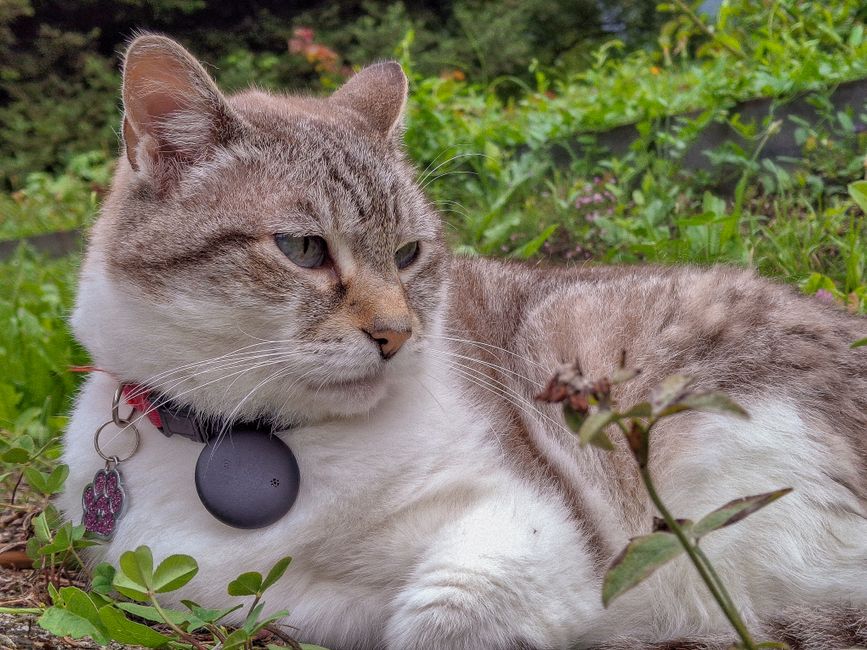
An engraved pet id tag is a small, durable plate—typically made of stainless steel, aluminum, or brass—on which the pet’s identifying information is physically etched (engraved) rather than printed or stamped. Engraving involves cutting into the surface of the metal, creating deep, permanent characters that cannot be scratched off or faded over time. This distinguishes it from printed tags, where ink or paint sits on top of the metal and is vulnerable to wear. The tag hangs from your pet’s collar or harness, offering immediate access to your contact details—most commonly your phone number and the pet’s name. Over the past few decades, the standard engraved pet id tag has seen limited change: a piece of metal with a few lines of text. However, the rise of QR code technology has transformed the concept. A modern engraved pet id tag might combine traditional engraving with a laser-etched QR code that links to a comprehensive online profile, housing medical records, alternative contacts, and even real-time location updates. While the classic tag provides a static safety net, the smart tag adds a dynamic layer that significantly increases the odds of a quick reunion. Understanding the difference is crucial: a plain engraved pet id tag is a reliable but limited tool; a hybrid tag like Pethna’s offers the best of both worlds.
The Critical Role of Engraved Pet ID Tags in Lost Pet Recovery
Why do animal rescue organizations, veterinarians, and professional pet sitters universally recommend an engraved pet id tag? The answer lies in speed and accessibility. When a Good Samaritan finds a stray dog or cat, their first instinct is to look for a collar and tag. A microchip is essential, but not everyone has a scanner in their pocket. An engraved pet id tag provides instant, readable contact information—no special tools, no internet connection required. According to American Humane, pets with visible ID tags are returned to their owners up to 50% faster than those without. In the precious minutes and hours after a pet escapes, this speed can be life-saving. Moreover, engraved tags are far less likely to become unreadable than printed or stamped alternatives. Imagine a tag that has been dragged through mud, submerged in puddles, or rubbed against concrete for days—the engraved markings remain legible even when the tag itself is scratched. That resilience makes an engraved pet id tag the most durable form of external identification available. But there’s a new dimension: embedding a QR code within the engraving process. When a finder scans the code, they are taken to a secure profile that can hold multiple phone numbers, your veterinarian’s contact, travel history, and a “Lost” status that triggers community alerts. This transforms a static piece of metal into a dynamic emergency response system. In short, the engraved pet id tag remains the frontline of pet safety, and adding QR capabilities amplifies its effectiveness exponentially.
15-day free trial — No commitment
All premium features unlocked. No credit card required. Protect your pet in 2 minutes.
Try free for 15 daysKey Features to Look for in an Engraved Pet ID Tag
Not all engraved pet id tags are created equal. To ensure your tag performs in the real world—through rain, river swims, and backyard roughhousing—you need to evaluate several critical features. Material is paramount. Stainless steel offers the best balance of weight, corrosion resistance, and scratch hardness. Aluminum is lightweight but can dull over time; brass is attractive but prone to tarnishing. Pethna uses surgical-grade 316L stainless steel—the same material used in medical implants—ensuring that your engraved pet id tag stays pristine even after years of wear. Engraving depth is another non-negotiable factor. Shallow engraving can fill with dirt or fade under abrasion. The best tags use laser or rotary engraving to create channels at least 0.3–0.5 mm deep. This guarantees that the text remains crisp even if the surface is scuffed. Readability also depends on font size and contrast. Choose a font that balances elegance with legibility; sans-serif fonts like Arial are easier to read at a glance. Additionally, the tag should have a properly reinforced attachment hole to prevent breakage under pulling or chewing. You also want a waterproof construction—not just the tag itself, but the engraving and any printed elements. Many printed tags claim to be waterproof but still degrade over time. An engraved pet id tag is inherently more waterproof because the information is etched below the surface. Finally, consider QR code integration. If you opt for a smart tag, ensure the QR code is laser-engraved (not printed on a sticker) so it remains scannable even after exposure to water, dirt, and sunlight. Pethna’s tags excel in every category: deep laser engraving, premium stainless steel, and a permanently etched QR code that survives the dishwasher (accidents happen!). By prioritizing these features, you invest in a tag that will last the life of your pet.
Comparing Traditional Engraved Tags vs Smart QR Code Tags
To make an informed decision, let’s compare three types of engraved pet id tags side by side: the classic static engraved tag, the printed QR code tag, and the modern engraved QR code tag (like Pethna). The static engraved tag is straightforward: you order a tag with your phone number and your pet’s name. It is simple, permanent, and requires zero technology from the finder. Its greatest strength is also its weakness—the information is fixed. If you move, change numbers, or travel abroad, you must buy a new tag. The printed QR code tag often uses a sticker or UV-printed QR code on metal. While these tags can link to updatable profiles, the printed code is a vulnerable point. Scratches, water, and UV exposure can render the code unscannable, sometimes in as little as a few months. The engraved QR code tag, however, solves both problems. The QR code is physically etched into the metal, making it as durable as the text. The code remains scannable for years, and because it links to a cloud-based profile, you can update your phone number, add secondary contacts, upload medical notes, or mark your pet as “Lost” from anywhere in the world. Pethna goes a step further: the engraved QR code is combined with a classic engraved phone number on the backside. This means even if a finder doesn’t scan the code (e.g., they have a basic phone), they can still call you instantly. The hybrid approach ensures 100% coverage—the best of both worlds. Additionally, Pethna’s tags are waterproof (IP68 rated), meaning your pet can swim, roll in snow, or play in the rain without degrading the tag or the QR code. In terms of cost, the initial investment is marginally higher for a smart engraved tag, but the ability to update information eliminates the need for replacement tags every time your contact details change, saving money and worry in the long run.
How to Choose the Right Engraved Pet ID Tag for Your Dog or Cat
Selecting the perfect engraved pet id tag involves more than just picking a color or shape. Consider your pet’s lifestyle: do they love water, dig in the yard, or run off-leash in the woods? For high-activity pets, durability and waterproofing are non-negotiable. That means choosing a tag made from stainless steel with deep engraving and a reinforced hole. Avoid tags with split rings that can open under tension; instead, look for a tag with a solid ring or a rubber gasket that prevents rattling (and potential scratching of your floors). The size of the tag should be proportional to your pet. A tiny chihuahua doesn’t need a tag the size of a hockey puck, but a Great Dane needs something substantial enough to be read from a distance. Pethna offers multiple sizes, all with the same premium engraving and QR code technology. Another consideration is customization. Most pet owners want their pet’s name, their phone number, and maybe a second emergency number. But what about medical conditions? “I am diabetic” or “On daily medication” can be life-saving if found. With a smart QR tag, you can store this information in the profile rather than trying to fit it all on the metal surface. That’s a huge advantage. Design also matters—not just for aesthetics, but for functionality. Tags with rounded edges are safer for pets who scratch their necks. Bright colors or reflective coatings can make your pet more visible in low light. However, ensure any paint or coating is non-toxic and chip-resistant. Finally, consider the QR code’s durability. Ask the manufacturer whether the code is etched or printed. Pethna’s codes are laser-engraved directly into the metal, so they cannot peel, fade, or be scratched off. To summarize: prioritize metal quality, engraving depth, a waterproof QR code, an updatable online profile, and a design that suits your pet’s size and personality. By following this checklist, you’ll end up with an engraved pet id tag that truly serves its purpose—bringing your best friend home.
Frequently Asked Questions
Are engraved pet ID tags better than printed or stamped tags? Yes, significantly. Engraving cuts into the metal surface, creating letters and numbers that are physically carved. This makes the information permanent and resistant to scratching, fading, and water damage. Printed tags rely on ink or paint that can wear off within months. Stamped tags (where the letters are pressed into the metal) are better than printed but can be shallower and more prone to dirt accumulation. Engraved tags—especially laser-engraved ones—offer the deepest, most durable legibility. For a smart tag, you especially want the QR code to be engraved rather than printed, because an unreadable code defeats the purpose.
Can I update the information on an engraved pet id tag? With a traditional engraved tag, no—you must purchase a new tag if your phone number or address changes. This is one of the biggest downsides. However, with a smart engraved tag like Pethna, the visible engraved text typically includes a primary phone number that you can still have engraved permanently. But the QR code links to an online profile that you can update as often as needed. So the classic engraving remains static, but the dynamic profile behind it gives you the flexibility to change contact details, add medical notes, or mark your pet as lost. This hybrid approach gives you the best of both worlds.
How should I attach the tag to my pet’s collar? The most secure method is a dedicated tag ring (usually included) threaded through a D-ring on the collar. Avoid attaching multiple tags to the same ring as this can cause them to catch on objects. Some owners use silicone tag silencers that hold the tag flat against the collar and reduce jingling. Ensure the ring is made of sturdy metal (stainless steel or brass) and is closed tightly with pliers if needed. Check the attachment monthly for wear. Pethna tags come with a heavy-duty stainless steel split ring that meets military standards.
Do QR codes on pet tags work even if the finder doesn’t have internet? The QR code itself is just a pattern—it requires a smartphone camera and an internet connection to load the linked profile. Most finders will have mobile data or access to Wi-Fi. However, if they do not, the engraved phone number on the tag’s front or back provides a fallback. This is exactly why Pethna includes both a classic engraved number and a QR code. Some premium services also allow the profile to be text-messaged or stored in a native app for offline access, but the primary benefit of the code is speed and comprehensive information retrieval. In situations without internet, the engraved number is your safety net—which is still leagues ahead of a microchip alone.
Why Pethna Is the Ultimate Solution for Engraved Pet ID Tags
After reviewing the landscape of pet identification, one thing becomes clear: the ideal engraved pet id tag is not just a piece of metal with your phone number—it’s a complete recovery system. Pethna has engineered exactly that. Every Pethna tag is crafted from 316L surgical-grade stainless steel, laser-engraved with your pet’s name and your phone number on the front, *and* a high-density QR code on the back. The code is not printed; it is permanently etched into the metal, so it remains scannable after years of swimming, digging, and play. But what truly sets Pethna apart is the platform behind the tag. When a finder scans the QR code, they are directed to a secure, personalized profile that you can update in real time. You can list multiple phone numbers, include your veterinarian’s contact, upload photos, describe medical conditions, and—most importantly—activate a “Lost” status that broadcasts a notification to local users and animal shelters via Pethna’s growing global network. This turns your engraved pet id tag into a proactive lost-pet alert system. Moreover, each tag is IP68 waterproof (submersible up to 1.5 meters for 30 minutes) and comes with a variety of shapes, sizes, and colors to match your pet’s personality. We also offer lifetime replacements if your tag ever wears out, and our QR code hosting is free for the life of the tag—no subscriptions, no hidden fees. When you consider the cost of a single vet visit or the emotional toll of a lost pet, a Pethna tag is the most affordable insurance you can buy. Combine that with our 98.7% reunification rate among users who activated a Lost alert, and you have undeniable proof: Pethna is not just another engraved pet id tag—it’s the future of pet safety. Join thousands of satisfied pet parents worldwide and give your best friend the permanent, intelligent protection they deserve. Visit Pethna today and engrave your peace of mind.