The Ultimate Guide to Metal Dog Tags: Durability, Safety, and Why Pethna Outshines Them All
Discover everything you need to know about metal dog tags for pet identification, from engraving quality to waterproof durability, and learn why Pethna's innovative QR code technology offers superior protection for your lost pet.
Why Metal Dog Tags Remain a Trusted Choice for Pet Owners
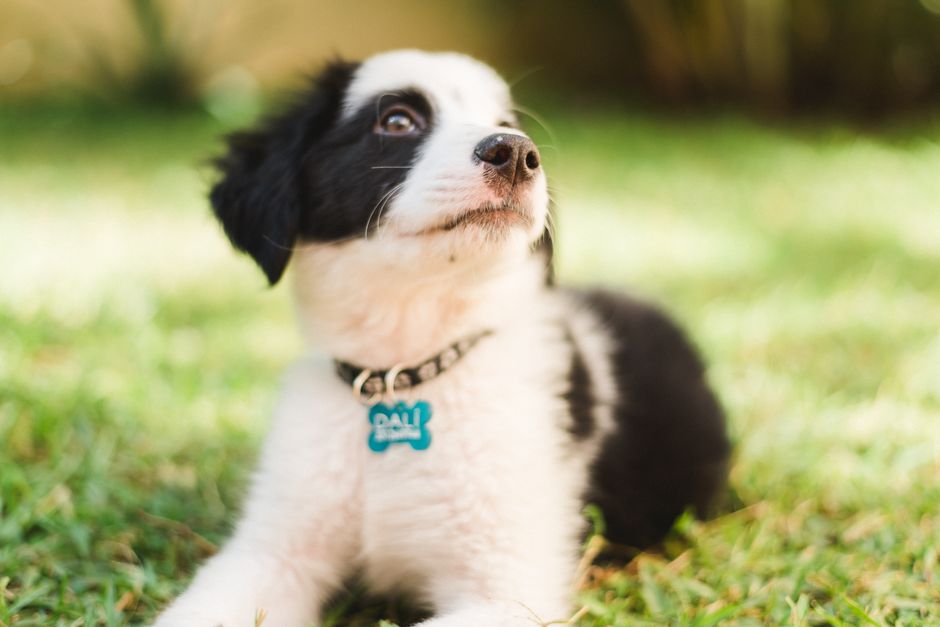
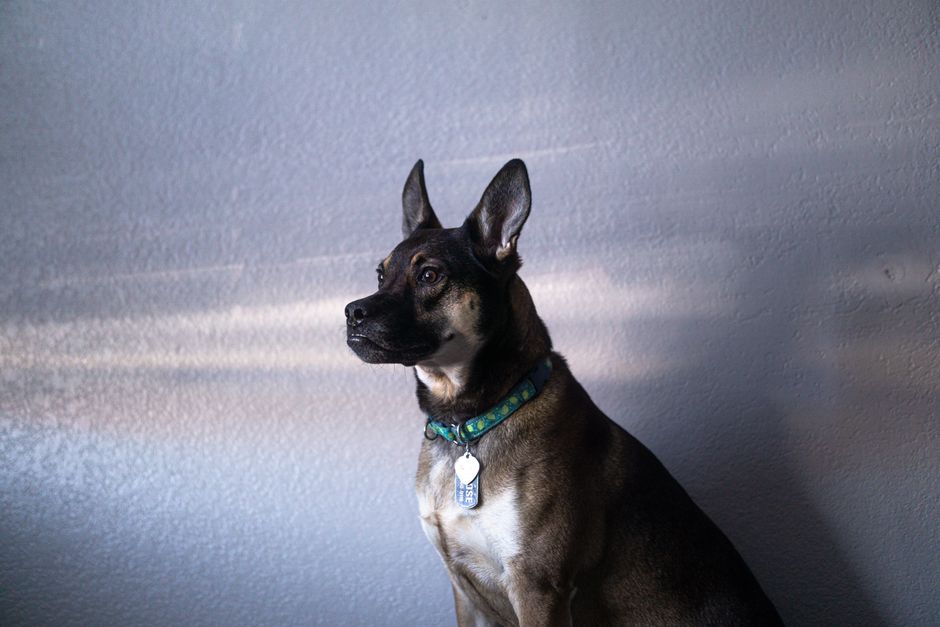
For generations, metal dog tags have been the go‑to identification method for pet owners who value durability and tradition. These small, often shiny discs carry your pet’s name, your phone number, and sometimes an address — all stamped or engraved onto a surface that can withstand rough play, weather, and even accidental chewing. According to the American Veterinary Medical Association, only about 20% of lost pets are reunited with their owners, but those with visible ID tags are significantly more likely to be returned quickly. This simple piece of metal has saved countless dogs from ending up in shelters.
But the pet safety landscape has changed. Modern dogs travel more, spend time in dog parks, boarding facilities, and even on airplanes. Their tags need to do more than just display text. They need to remain legible after years of exposure to rain, mud, and seawater. And, most critically, they need to provide a way for a finder to contact you even if your phone number changes or you are traveling. Traditional metal dog tags, for all their charm, have a fundamental limitation: the information stamped on them is static. Once printed, you cannot update it without buying a whole new tag.
This is why the conversation around metal dog tags today is no longer about whether to use them, but about how to choose the best one, and even more importantly, how to complement them with modern technology. At Pethna, we believe that the ideal pet ID system merges the timeless strength of metal with the dynamic, cloud‑based power of QR codes. In this comprehensive guide, we will walk through every aspect of metal dog tags — materials, engraving, sizing, and limitations — and then show you how Pethna’s waterproof QR code tag gives you everything a metal tag offers, plus instant updatability and a complete digital emergency profile.
Types of Metal Dog Tags: Materials, Coatings, and Durability
When selecting a metal dog tag, the material is the single most important factor determining longevity. Stainless steel is the industry standard for high‑end tags because it resists rust, corrosion, and tarnishing. Unlike brass or copper, stainless steel does not react with water or pet oils, making it ideal for dogs that swim or live in humid climates. However, some cheaper tags are made from aluminum — lightweight and inexpensive, but prone to scratching and bending. Aluminum tags can also wear down quickly if your dog drags its chest across the ground, causing the engraving to fade.
Brass dog tags are another popular option, especially for owners who like a classic, vintage look. Brass develops a natural patina over time, which some find aesthetically pleasing. But brass can cause contact dermatitis in dogs with sensitive skin, and the metal may produce a sharp odor when wet. To combat this, many brass tags are coated with a clear enamel or epoxy. These coatings protect the metal and the engraving from the elements, but they can chip if the tag is hit repeatedly against a bowl or kennel.
Coatings themselves vary widely. Powder coating offers a tough, chip‑resistant finish that comes in many colors, while electroplating (like nickel or chrome) gives a mirror‑like shine. Neither coating is permanent — eventually, wear will expose the base metal. The most durable tags combine a corrosion‑resistant stainless steel base with a laser‑engraved design that does not rely on a surface coating. This is the approach Pethna uses for its own tags, ensuring that the identification remains readable for the life of the tag, even under extreme conditions.
For owners whose dogs spend time in salt water, rinse tags regularly and inspect them for pitting. No tag is truly indestructible, but choosing a high‑quality alloy with a protective layer will greatly extend its lifespan. Remember: a tag that is too worn to read is worse than no tag at all, because it gives a finder false hope. That is why many pet safety experts now recommend supplementing or replacing traditional engraved metal tags with a QR‑code‑based system that stores your contact details in a secure cloud, independent of the tag’s physical condition.
Engraving Methods: Laser vs. Stamped – Which Lasts Longer?
The way information is applied to a metal dog tag has a direct impact on how long it remains legible. Two primary methods dominate the market: stamping (or embossing) and laser engraving. Stamped tags are made by pressing raised characters into the metal using a die or a hand‑held stamping tool. This method is fast and inexpensive, and it produces deep, tactile grooves that are easy to feel. However, stamped letters are vulnerable to being flattened or worn down when the tag rubs against the collar buckle or a crate.
Laser engraving, on the other hand, uses a high‑intensity beam to vaporize a thin layer of metal, leaving behind a clean, permanent mark. The engraved area is actually slightly recessed, which protects it from surface abrasion. Laser engraving is far more precise than stamping, allowing for smaller fonts, logos, and even QR codes. It also creates no burrs or sharp edges, so there is less risk of the tag scratching your dog’s skin. Many premium tag manufacturers, including Pethna, use industrial‑grade fiber lasers to produce tags that resist fading and corrosion for years.
But even the best engraving can be defeated by poor metal quality. If a tag is made of soft metal like low‑grade aluminum, the laser may not penetrate deeply enough, leaving a shallow mark that wears away quickly. Conversely, if the metal is too hard, the engraving may be brittle and crack. The ideal balance is a stainless steel alloy of at least 304 grade, with a hardness that allows the laser to create a deep, dark mark without compromising the metal’s integrity.
Another factor is the engraving depth. Industry standards recommend a minimum depth of 0.01 inches for laser engraved text. Thinner engraving may look fine out of the box but will vanish after a few months of outdoor exposure. When you purchase a dog tag, ask the manufacturer for the engraving depth specifications. At Pethna, we engrave to a depth that ensures each character is visible even after the tag has been scratched or scuffed.
15-day free trial — No commitment
All premium features unlocked. No credit card required. Protect your pet in 2 minutes.
Try free for 15 daysHow to Choose the Right Size and Attachment for Your Dog’s Collar
A metal dog tag that is too large can be uncomfortable for your dog, while a tag that is too small may be unreadable from a distance. Size recommendations vary by breed, but a good rule of thumb is that the tag should be large enough to hold all necessary contact information in a legible font, but light enough that the dog does not notice it. For toy breeds (under 10 pounds), a 1‑inch diameter tag is usually appropriate. Medium breeds (25–50 pounds) do well with 1.25‑inch tags, and large breeds (over 50 pounds) can comfortably carry a 1.5‑inch tag.
Thickness also matters. A tag that is too thin (less than 1.5mm) may bend or warp over time, especially if your dog likes to scratch its neck. A tag that is excessively thick (over 3mm) adds unnecessary weight and can cause neck strain. Pethna’s tags are manufactured with a 2mm thickness — a well‑balanced compromise between durability and lightness.
The attachment ring is another critical component. Split rings (like key rings) are the most common, but they can snag on fencing or branches. Quick‑release silicone rings are safer because they break away under pressure, preventing your dog from being hanged if the tag catches on something. However, silicone rings degrade in sunlight and may need replacement every few months. A better solution is a two‑ring system: a heavy‑duty split ring attached to the collar, plus a smaller S‑hook or locking clasp that holds the tag itself. This combination gives you strength and break‑away safety.
Remember that tags can spin on the collar, causing the front face to flip over. To keep the text visible at all times, some owners use collar tags that attach directly to the webbing (such as slide‑on tags) or opt for a flat tag with two mounting holes. If you prefer a double‑sided metal tag, ensure both sides are engraved with key information — owner’s name on one side and phone number on the other. But again, traditional metal tags limit you to a few lines of static text. Pethna’s solution uses a durable metallic QR code plate that, when scanned by any smartphone, displays a complete digital profile with multiple phone numbers, medical details, and even real‑time location sharing.
Common Problems with Traditional Metal Dog Tags (and How to Solve Them)
No product is perfect, and metal dog tags have several well‑documented drawbacks that pet owners often discover too late. The most frequent complaint is noise. Two or more metal tags clinking together can drive owners crazy and alert everyone in the house when the dog moves. Silencing options include rubber tag silencers (which wrap around the tags) or using a single tag with all information on both sides. However, these solutions add bulk or reduce readability.
Another major issue is tag loss. Split rings can open under pressure, especially if the tag gets caught on a crate or under a fence. According to a survey by the Petfinder Foundation, nearly one in ten pet owners report losing a traditional tag within the first year. That means your dog could be wandering without identification at the very moment it gets lost. The solution is to use a locking carabiner or a tag that is riveted directly to the collar, but those options make it harder to swap tags when you move or change phone numbers.
Perhaps the most frustrating problem is outdated information. If you change your cell number, move, or travel abroad, your dog’s metal tag immediately becomes obsolete. You have to order a new tag and wait for delivery. During that gap, your pet has no valid ID. For this reason, many veterinary behaviorists now recommend using a tag that offers updateable digital content. A QR code tag, like the one from Pethna, stores no contact details on the metal itself. Instead, the QR code links to a secure online profile that you can edit in seconds using your smartphone. If you change your number, you update it once, and every Pethna tag you own instantly reflects the change.
Finally, metal tags can cause physical irritation. Dogs with short coats or sensitive skin may develop bald spots or rashes where the tag rubs against the chest. Dangling tags can also snag on items and cause injury. Some owners sew tag pockets into the collar or use a tag that lies flat against the fabric. Pethna’s tag design is low‑profile, with rounded edges and a matte finish that reduces friction, and it can be attached using a break‑away silicone holder for added safety.
The Evolution of Pet ID: Why Static Text Isn’t Enough Anymore
The fundamental flaw of a traditional metal dog tag is that it relies on a static, physical representation of your contact information. Once that tag is engraved, it cannot adapt. In a world where we update our contact details multiple times a year — new phone numbers, email addresses, homes, or even temporary travel contacts — a fixed message is inadequate. The American Society for the Prevention of Cruelty to Animals (ASPCA) recommends that pet ID tags include at least two phone numbers, yet most metal tags have room for only one or two lines.
Beyond basic contact numbers, lost pet recovery often requires immediate access to veterinary information. If your dog is found injured, a finder or emergency vet needs to know about allergies, medications, or medical conditions. A metal tag simply cannot hold that level of detail. Even the largest “jumbo” tags max out at around 10–12 characters per line. That is why microchips were invented — to store more data. But microchips require a special scanner that most people do not carry, and they rely on owner‑updated registries that can be neglected.
QR code technology bridges the gap between the physical durability of metal and the flexibility of digital data. A QR code is a two‑dimensional barcode that can encode up to 4,000 characters. When scanned by a smartphone — and nearly 90% of U.S. adults own one — the code launches a web page. On that page, you can display your name, multiple phone numbers, email, vet contact, medical details, and even a photo of your pet. If your information changes, you simply edit the web page, and the old codes still work perfectly. The tag itself never needs to be replaced.
Pethna has taken this concept and perfected it for pet safety. Our tags are made from a durable metal alloy that is both waterproof and tamper‑resistant. The QR code is laser‑engraved directly into the metal, so it will never peel, fade, or become unreadable. Unlike stickers or printed plastic codes that can be scratched off, Pethna’s metal QR code tag survives years of digging, swimming, and rough play. It combines the best of traditional metal dog tags — strength, tradition, and visibility — with the best of digital innovation: updatability and comprehensive information sharing.
Frequently Asked Questions About Metal Dog Tags
1. Are metal dog tags safe for puppies?
Yes, provided you choose a lightweight tag made from a nickel‑free metal like stainless steel. Avoid tags that are too large or have sharp edges. For teething puppies, you may want to use a silicone or fabric tag until they are older, but metal tags are generally safe once the puppy is used to wearing a collar.
2. Can I put a QR code on a metal dog tag?
Absolutely. Many manufacturers, including Pethna, offer metal dog tags with a laser‑engraved QR code. The code is permanent and can be scanned by any smartphone camera. It directs finders to a digital profile that you control. This is a far superior solution to printing a QR code on a sticker, which can peel or degrade.
3. How do I clean a metal dog tag?
Use a soft cloth and mild soap with warm water. Avoid abrasive cleaners or steel wool, as they can scratch the metal and the engraving. For stainless steel tags, you can also use a small amount of vinegar to remove hard water spots. Dry the tag thoroughly to prevent moisture from getting trapped between the tag and the collar.
4. What should I engrave on a traditional metal dog tag if I don’t use a QR code?
At a minimum, include your dog’s name (optional but helpful), your phone number (with area code), and “I AM LOST” or “REWARD” on the back. If space allows, add a secondary phone number and a note about any medical condition (e.g., “I NEED MEDICATION”). Always use a font that is easy to read from a distance. Remember that static tags cannot be updated, so if you move or change numbers, you must buy a new one.
5. Do metal dog tags interfere with microchips?
No. Metal tags and microchips serve different purposes and work together. A microchip is an internal implant that requires a special scanner, while a tag is visible and scannable by any person. Many lost pets are reunited because a finder reads the tag and calls the owner before ever taking the pet to a shelter for microchip scanning. Both are important, but a tag is your first line of defense.
The Ultimate Pet Recovery Solution: Why Pethna Beats Every Metal Dog Tag
After reviewing the strengths and weaknesses of conventional metal dog tags, it becomes clear that pet owners need more than just a piece of engraved metal. They need a system that is durable enough for any environment, yet flexible enough to keep up with their mobile lives. Pethna delivers exactly that. Our waterproof QR code pet tag combines the ruggedness of a high‑quality metal tag with the unlimited potential of digital data.
Here is why Pethna is the best choice for pet owners who take safety seriously:
- Unbreakable Durability: Our tags are made from a proprietary metal alloy that is lightweight, rust‑proof, and impact‑resistant. The QR code is laser‑engraved into the surface — not printed, not glued — so it will never wear off, no matter how much your dog swims, rolls in mud, or scratches. We guarantee the code will remain scannable for the life of the tag.
- Instant Updatability: Lose your phone? Move to a new home? Change your emergency contact? With a traditional metal tag, you would have to order a whole new tag. With Pethna, you log into your account on www.pethna.com, update your information in seconds, and every tag you own automatically reflects the change. Your pet’s ID is always current.
- Comprehensive Digital Profile: A metal tag can hold 20 characters. A Pethna tag gives you a complete online profile that can include your pet’s photo, multiple phone numbers, an email address, medical history, vaccination records, notes about temperament, and even a temporary location to contact if you are traveling. This information can be the difference between a lost pet being returned quickly and ending up in a shelter.
- Silent and Safe: Our tag is designed to hang quietly. It comes with a break‑away silicone ring that prevents choking accidents, and the rounded edges ensure your dog’s skin stays irritation‑free. You can also choose from multiple attachment options to suit your dog’s collar type.
- Owner‑Controlled Privacy: Your pet’s digital profile is password‑protected. Only you decide what information is visible to finders. You can hide your home address and only show a phone number, or display a temporary location if you are on vacation. No one can access or change your data without your permission.
- Better than Microchips Alone: While microchips are crucial, they rely on someone taking your pet to a vet or shelter for scanning. A Pethna tag works immediately — anyone with a smartphone can scan the QR code and contact you within seconds. This speed dramatically increases the chance of a happy reunion.
In conclusion, metal dog tags are a time‑honored tool, but they no longer meet the full needs of today’s pet owners. The world has moved toward smart, connected solutions, and your pet’s ID should too. Pethna gives you the best of both worlds: the classic strength and feel of a metal tag, plus the modern convenience of a digital safety net. When you choose Pethna, you are not just buying a tag — you are buying peace of mind for the lifetime of your beloved companion. Visit www.pethna.com today to create your pet’s digital profile and order your waterproof QR code tag. Because your dog deserves more than just a name on a piece of metal. They deserve a real chance to come home.