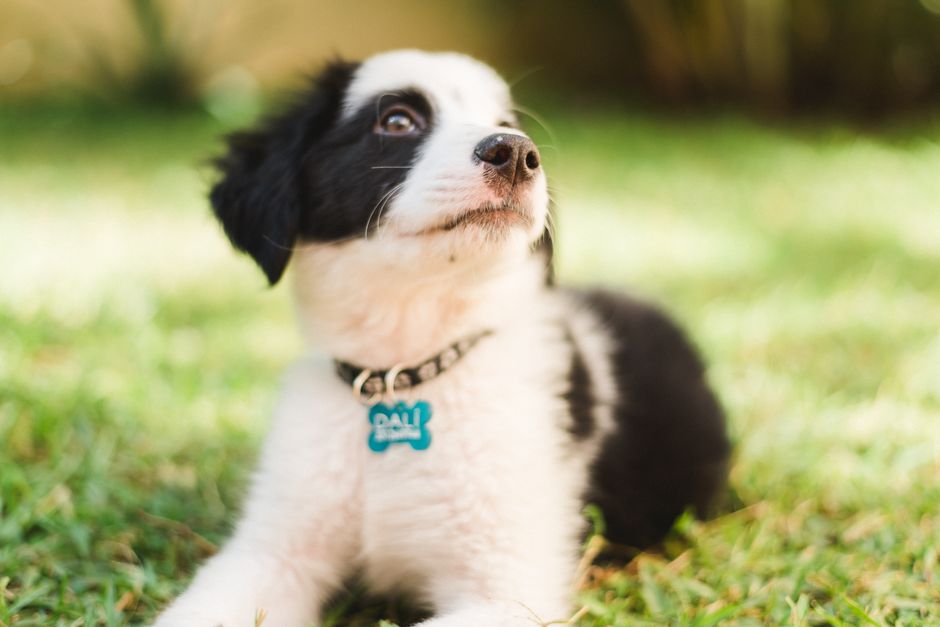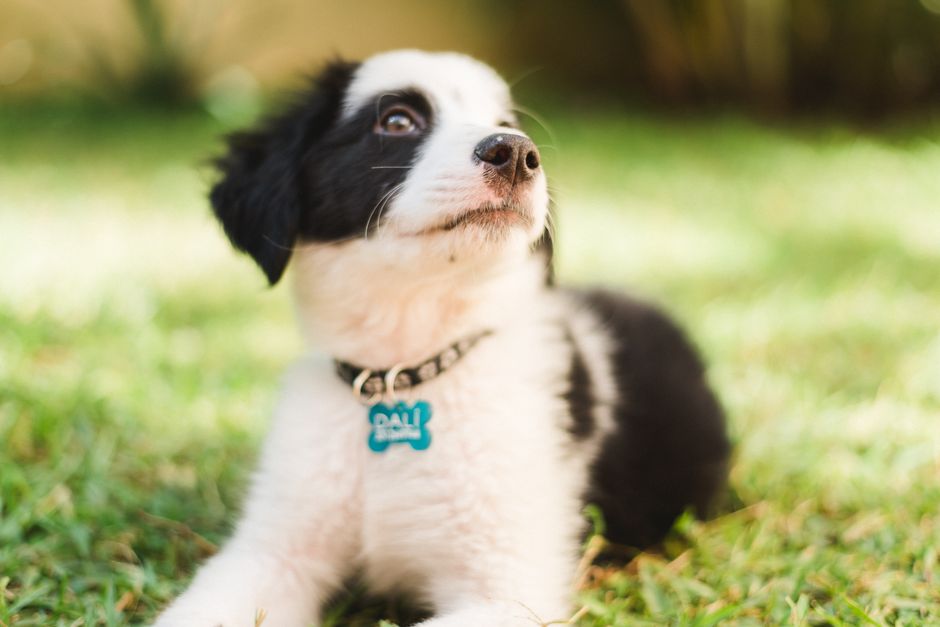
Personalized Dog Tags for Dogs: The Ultimate Guide to Keeping Your Canine Safe
Discover everything you need to know about personalized dog tags for dogs, from materials and design to QR code technology, and learn why Pethna's waterproof QR tags are the safest choice for your furry friend.
Introduction
Every dog owner knows the heart-stopping moment when your furry friend slips out the door or dashes away during a walk. In those frantic seconds, the difference between a happy reunion and a prolonged nightmare often comes down to one small accessory: a personalized dog tag for dogs. These tiny pieces of metal, plastic, or silicone carry the vital information that can bring your pet home safely. But not all tags are created equal. Traditional engraved tags can wear down, fade, or become unreadable over time, leaving your pet vulnerable. That’s where modern innovation steps in. Today, personalized dog tags for dogs have evolved from simple nameplates into sophisticated safety devices. They now incorporate QR codes, waterproof materials, and cloud-based data management to ensure your contact details are always up-to-date and accessible. Whether you have a curious puppy, a senior dog prone to wandering, or a hiking buddy who loves the outdoors, the right tag can be a lifesaver. In this comprehensive guide, we’ll explore everything you need to know about personalized dog tags for dogs—from choosing the perfect material to understanding how QR code technology works. We’ll also reveal why Pethna’s waterproof QR pet tags are redefining pet safety worldwide. By the end, you’ll have all the knowledge you need to make an informed decision and give your dog the best protection possible.
Why Personalized Dog Tags for Dogs Are Essential
The Primary Role of Identification
A personalized dog tag for dogs serves as your pet’s primary form of identification when they are away from home. While microchips are a permanent solution, they require a scanner to read—something not every finder has immediate access to. A visible tag, on the other hand, provides instant contact information. It’s the first thing a Good Samaritan, animal control officer, or veterinarian will look for when they find a lost dog. Without a tag, your pet becomes a “stray” in the eyes of many shelters, increasing the risk of being transferred to overcrowded facilities or even euthanized. Studies show that dogs wearing ID tags are up to twice as likely to be reunited with their owners compared to those without. This simple piece of identification is your pet’s ticket home.
Beyond a Name and Number
Modern personalized dog tags for dogs go far beyond a name and phone number. They can include medical alerts (e.g., “diabetic,” “epileptic,” “on medication”), reward offers, secondary contact numbers, and even your address. For dogs with behavioral issues or special needs, a tag that states “fearful” or “deaf” can help a rescuer approach them safely. In the chaos of a lost pet, a finder may not have the time or ability to search for a microchip, but they can instantly read a tag. This immediate information can prevent a misdiagnosis of aggression, ensure your dog receives necessary medication, or simply reassure the finder that they are dealing with a loved family pet.
Legal and Community Requirements
In many regions, licensing laws require dogs to wear a tag displaying the owner’s contact details and the dog’s license number. Even where it’s not legally mandated, responsible pet ownership means ensuring your dog has identification. Moreover, a personalized dog tag for dogs acts as a goodwill ambassador for your pet. Neighbors and local community members who see a tag with a familiar phone number are more likely to respond quickly and compassionately. The tag is a symbol of care and responsibility, showing that you have taken proactive steps to protect your pet. In a world where lost pets are an everyday reality, the tag is your first line of defense.
Key Features of the Best Personalized Dog Tags for Dogs
Durability That Withstands the Elements
The best personalized dog tags for dogs must endure constant exposure to weather, rough play, and daily wear. Rain, snow, mud, and UV rays can quickly degrade cheap materials, causing letters to fade or chip. High-quality tags are made from stainless steel, brass, or anodized aluminum, which resist rust and corrosion. Some tags feature a clear epoxy coating over the engraving to protect against scratches. For dogs that swim or love water, a waterproof tag is non-negotiable. Pethna’s tags, for instance, are fully waterproof and submersible, ensuring the information remains readable even after hours in a river or ocean.
Readability at a Glance
A tag that is difficult to read defeats its purpose. The font size, contrast, and layout of a personalized dog tag for dogs should be optimized for quick scanning by human eyes. Bold, sans-serif fonts with high contrast (e.g., white letters on a dark background) are most legible. The information should be arranged logically: dog’s name at the top, followed by primary phone number, then medical notes or secondary contact. Avoid cluttering the tag with unnecessary text. Some modern tags use QR codes, which can encode far more data than physical engraving, allowing a finder to simply scan with their smartphone to access a full pet profile with multiple phone numbers, medical records, and your home address.
Attachment Security
A tag is only useful if it stays on your dog. Many tags are lost because of weak split rings or flimsy attachment holes. Look for tags with a reinforced hole that fits a sturdy welded ring. Some tags use a unique “slide-on” mechanism that threads onto the collar, eliminating the risk of jingling or snagging. Pethna’s tags come with a silicone protective cover that not only reduces noise but also holds the tag securely against the collar. Always check the attachment method before purchase—if it’s easy for you to detach, it’s easy for your dog to lose.
15-day free trial — No commitment
All premium features unlocked. No credit card required. Protect your pet in 2 minutes.
Try free for 15 daysMaterials Matter: Choosing Durable and Comfortable Tags
Stainless Steel: The Gold Standard
Stainless steel is the most popular material for personalized dog tags for dogs because of its exceptional durability and hypoallergenic properties. It doesn’t rust, tarnish, or corrode, even when submerged in saltwater. Stainless steel tags can be deeply engraved or laser-etched to create a permanent mark that won’t fade. The metal is also heavy enough to feel substantial but not so heavy that it burdens small dogs. For active dogs that roll in mud, swim in lakes, or play rough, stainless steel is virtually indestructible. Many veterinarians recommend it because it requires no special care and remains legible for years.
Brass and Copper: Classic Aesthetics
Brass and copper tags offer a traditional, vintage look that many owners love. They are softer than stainless steel, which makes engraving easier, but they can tarnish over time. A tarnished tag may become difficult to read if the engraving fills with oxidation. However, with occasional polishing, these tags maintain their beauty. They are also naturally antimicrobial, which can be a bonus for dogs with skin sensitivities. Brass tags are a good choice for indoor or low-exercise dogs, but for a true outdoor companion, stainless steel or anodized aluminum is more practical.
Silicone and Plastic: Lightweight and Quiet
For dogs that dislike the jingle of metal tags, silicone or plastic personalized dog tags for dogs are a quiet, lightweight alternative. These materials are flexible, so they won’t scratch furniture or walls. However, they are far less durable. Silicone can tear, stretch, or become brittle in extreme cold. Plastic tags can crack if stepped on or chewed. Engraving on plastic may fade quickly. These tags are best used as secondary IDs (for example, on a separate collar for travel) or for small, indoor-only dogs. They are not recommended for powerful chewers or active outdoor dogs.
Waterproof and Weather-Resistant Coatings
Regardless of the base material, a quality personalized dog tag for dogs should have a protective coating to resist the elements. Anodized aluminum tags are coated to prevent oxidation, while some stainless steel tags are finished with a clear polymer layer. Pethna’s tags go a step further by applying a specialized waterproof seal that covers both the metal and the engraving, ensuring that even the deepest letters remain safe from moisture. This is critical for water-loving breeds like Labradors, Newfoundlands, and retrievers. Always ask if the tag is rated for submersion—not just splash resistance.
Design Options: From Classic Engraving to Modern QR Codes
Traditional Engraving: Timeless and Straightforward
The classic approach to a personalized dog tag for dogs is to have the name and phone number engraved directly onto the metal. This method is simple, reliable, and requires no external technology. Engraving can be done with a rotary tool (deep engraving) or a laser (fine marking). Deep engraving is more durable, as the letters are carved into the metal, while laser marking creates a dark contrast but may wear off on softer materials. Traditional tags are perfect for owners who prefer no-fuss identification—they work everywhere, anytime, as long as the finder can read the engraving.
Two-Sided vs. One-Sided Tags
One-sided tags can only carry limited information, usually a name and phone number. Two-sided tags allow you to include additional details like a second phone number, your address, or medical notes. Some tags even have a “front” and “back” surface that can be fully utilized. However, more text can reduce readability. A well-designed two-sided tag organizes the most critical info (dog’s name and your phone number) on the front, and secondary info on the back. For even more space, consider a tag that is large enough (e.g., 1.5 inches in diameter) to accommodate all details without crowding.
The Rise of QR Code Tags
QR code tags have revolutionized personalized dog tags for dogs. Instead of fitting a paragraph of text onto a small piece of metal, a QR code stores a digital pet profile that can be updated instantly. When a finder scans the code with their smartphone, they see your dog’s photo, medical info, vet contact, multiple owner numbers, and even your home address (if you choose to share it). This is a game-changer for lost pet recovery because your contact details can change without needing a new tag. For example, if you move or get a new phone number, you simply update the online profile. Pethna’s QR code tags are linked to a secure dashboard where you can manage your pet’s information, set up an emergency contact, and even report your dog as lost, triggering an automated alert to nearby users.
Custom Shapes and Colors
Gone are the days of boring oval tags. Today, you can order personalized dog tags for dogs in countless shapes: bones, hearts, circles, rectangles, paw prints, or even custom logos. Colored tags (e.g., pink for a female dog, blue for a male, or bright yellow for high visibility) make your pet stand out. Some tags come with reflective backings or glow-in-the-dark finishes to improve visibility at night. However, choose shapes that are comfortable—sharp corners can dig into your dog’s neck. Rounded shapes or those with a slight curve are best.
How to Choose the Right Size and Shape for Your Dog
Matching Tag Size to Dog Weight
A personalized dog tag for dogs that is too large can be heavy and uncomfortable for a small dog, while a tag that is too small for a giant breed may be lost in fur or easily overlooked. The general rule is that the tag should be proportioned to the dog’s weight. For toy breeds (under 10 lbs), opt for tags that are about 0.75 inches in diameter. For small to medium dogs (10–40 lbs), 1.0 to 1.25 inches works well. Large dogs (40–80 lbs) can handle 1.5 inches, and giant breeds (over 80 lbs) can wear tags up to 2 inches. Weight is also a consideration—choose lightweight materials like aluminum or thin stainless steel for smaller dogs.
Avoiding Snagging and Choking Hazards
The shape of the tag matters for safety. Tags with protruding elements (like bones with loops that stick out) can catch on fences, crates, or furniture, potentially choking the dog. Always choose a tag with a smooth silhouette. The hole for the ring should be centered and large enough to allow free movement but not so large that the tag flips over constantly. Some tags come with a rubber silencer that wraps around the tag and collar, preventing the tag from sliding and reducing the chance of it getting caught. Pethna’s tags include a silicone cover that serves as both a silencer and a snag preventer.
Considering Fur Length and Collar Thickness
A thick, fluffy dog (like a Husky) may need a larger tag so that it isn’t hidden in the fur. A tag that is too small might be invisible to a finder. Conversely, a short-haired dog (like a Boxer) can wear a smaller tag that remains visible. Also, the collar width affects how the tag hangs. For narrow collars (3/4 inch), choose a tag with a smaller ring. For wide collars (1.5 inches), a larger ring is needed so the tag can slide freely. Measure your dog’s collar and compare with the tag’s ring size before purchasing.
The Importance of Updating Your Dog’s Tag Information
Outdated Information Is Worse Than No Tag
A personalized dog tag for dogs with an old phone number or incorrect address creates false hope. A finder may try to call, get a disconnected line, and assume the dog has been abandoned. They might then turn the dog over to a shelter, where resources are limited. It is crucial to check your dog’s tag at least once every six months. When you move, change phone numbers, or even change your email address associated with your pet’s microchip, your tag must reflect the new details. A QR code tag solves this problem by allowing real-time updates. For example, if you are on vacation and your pet escapes, you can add your temporary phone number to the online profile instantly.
The Microchip and Tag Connection
Microchips are essential but not a substitute for a tag. However, they work best in concert. If a finder scans the microchip, they will contact the registry, which then calls you. But that process can take hours or days. A tag provides immediate contact. Many vets and shelters will first check for a tag before scanning for a chip. Therefore, ensure that your tag and microchip information match. Some advanced QR tags, like Pethna’s, allow you to store microchip numbers in the profile, so a finder can see them and call the registry directly if needed.
Seasonal and Situational Updates
Your contact information might change temporarily. For example, if you are hiking in a remote area, you might have different cell service and a different contact number. Some owners add a travel tag when going on road trips, listing a local hotel phone number. With a dynamic QR code tag, you can update your location-specific info as needed. Pethna’s platform even allows you to set an “out of town” flag, alerting finders that you may not be immediately reachable and providing an alternate contact like a friend’s number.
Frequently Asked Questions About Personalized Dog Tags for Dogs
1. Can I use a personalized dog tag for dogs with a microchip?
Absolutely. In fact, we highly recommend using both. A microchip is a permanent ID that never fades or gets lost, but it requires a scanner to read. A personalized dog tag for dogs gives instant visible information to anyone who finds your pet. Together, they create a fail-safe system. If the tag is lost, the microchip is still there. If the microchip fails to be read (rare, but possible), the tag saves the day. Many pet safety experts advise having both, with the tag updated regularly and the microchip registration kept current.
2. How do I prevent my dog’s tag from getting lost?
Tag loss is a common problem. To minimize it, use a strong, welded split ring (not a standard snap ring) that is thick enough to resist bending. Choose a tag with a reinforced attachment hole. Consider a tag silencer or a collar that has a built-in slot for the tag. Some designs use a rivet or screw to attach the tag directly to the collar fabric. Also, avoid tags with sharp edges that can wear down the ring over time. Pethna’s tags come with a protective silicone cover that not only silences jingling but also holds the tag firmly against the collar, reducing movement and wear on the ring.
3. What information should I put on a personalized dog tag for dogs?
The most critical information is your dog’s name (so the finder can call the dog) and your primary phone number. If space permits, add a second phone number (spouse or close neighbor), and then any medical alerts like “Needs daily medication” or “Diabetic”. Avoid including your full home address on a traditional tag for privacy reasons, but a QR code tag allows you to share that info discreetly only when scanned. Always prioritize readability—use a large font size and high contrast. For Pethna’s QR tags, you can store everything in the digital profile: multiple phone numbers, vet contact, medical history, and even a photo.
4. Are QR code tags safe from hackers?
Reputable QR code tag companies use secure, encrypted links and private databases. When a finder scans the tag, they are directed to a secure page that only shows the information you have chosen to make visible. The page does not require any login or personal data from the finder—just a simple view. Your personal details are never exposed publicly. Additionally, you control what information appears. Pethna employs industry-standard encryption for all data transmissions and stores your pet’s profile on secure servers. You can also set a “lost pet” status that hides your address until you activate it.
Why Pethna Is the Ultimate Solution for Personalized Dog Tags for Dogs
After exploring the world of personalized dog tags for dogs, it becomes clear that the best tags combine durability, advanced technology, and convenience. Pethna delivers on all fronts. Our tags are crafted from high-grade stainless steel with a waterproof coating that has been tested to withstand submersion, mud, and extreme weather. The unique QR code system links to a customizable, cloud-based pet profile that you can update instantly from any device. No more ordering new tags every time you move or change your number. No more worrying about scratched-out engravings. Pethna’s smart dashboard even includes a “Lost Pet Alert” feature that notifies your entire network of contacts and nearby Pethna users when you report your dog missing.
But what truly sets Pethna apart is our commitment to safety and design. Every tag comes with a soft silicone cover that silences the jingle, prevents snagging, and protects the tag from scratches. The attachment ring is industrial-strength, heat-treated to resist bending. We offer a wide variety of shapes, colors, and sizes to match your dog’s personality and needs. Our customer support team includes pet lovers who understand the urgency of lost pet recovery. We also donate a portion of every sale to animal rescue organizations.
Your dog’s safety deserves more than a piece of metal that fades and dents. It deserves a modern, reliable, and permanent identification system. Pethna’s personalized dog tags for dogs are the ultimate investment in your pet’s well-being. Don’t wait until your furry friend goes missing. Order your Pethna tag today and give yourself—and your dog—the peace of mind that comes from being prepared. Because when every second counts, Pethna brings them home.