Puppy Dog Tags: The Ultimate Guide to Keeping Your New Fur Baby Safe & Found
Learn everything you need to know about puppy dog tags — from material choices to legal requirements — and discover why a waterproof QR code tag from Pethna gives you unmatched peace of mind when your curious pup wanders off.
Bringing home a new puppy is one of life’s purest joys — those tiny paws, the wagging tail, the endless curiosity. But with that curiosity comes a sobering reality: puppies are masters of escape. One second they’re sniffing a dandelion in the backyard, the next they’ve wriggled under a fence or bolted out an open door. That’s why choosing the right puppy dog tags isn’t just a purchase; it’s a life-saving decision. In this comprehensive guide, we’ll walk you through everything you need to know about puppy identification — from materials and legal requirements to the modern revolution of waterproof QR code tags. Whether you’re a first-time pet parent or a seasoned owner, you’ll discover how a simple tag can be the difference between a frantic search and a happy reunion. And we’ll show you why Pethna’s innovative approach to pet recovery is changing the game for puppies everywhere.
Why Every Puppy Needs a Dog Tag (Even if They Never Leave Your Side)
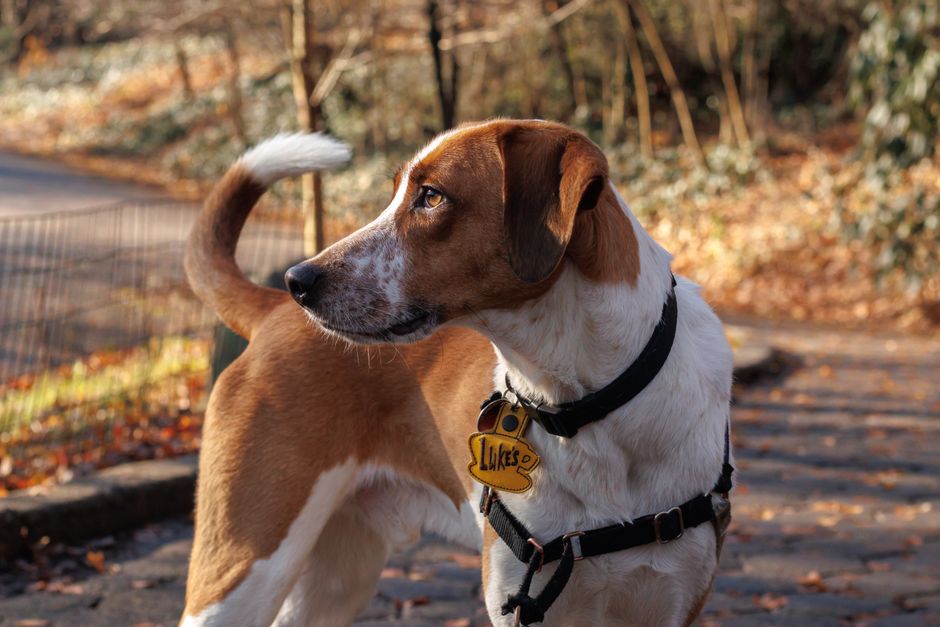
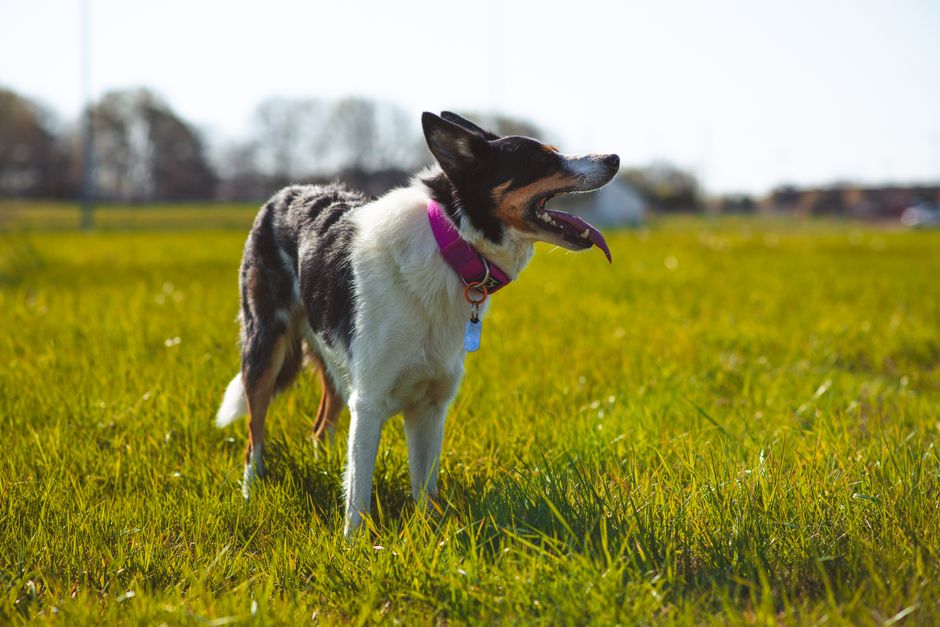
It’s tempting to think your puppy will always be within arm’s reach. But even the most vigilant owners can’t watch every moment. Puppies are naturally impulsive — a sudden noise, an open gate, or a delivery person can trigger a dash that leads them into unfamiliar territory. A puppy dog tag is the most basic, yet most essential, safety net you can provide.
First, consider the numbers. According to the American Veterinary Medical Association, nearly one in three pets will become lost at some point in their lives. For unidentifiable pets, the chances of being reunited with their owners drop to less than 25%. A simple tag with your puppy’s name and your phone number dramatically increases the odds that a Good Samaritan will contact you immediately.
Second, tags serve as immediate identification for animal control officers and first responders. In an emergency — say, your puppy is hit by a car — a tag can alert a veterinarian to your contact info without needing to scan for a microchip. Microchips are essential, but they require a special scanner that not every Good Samaritan carries. A visible tag is the first line of defense.
Finally, a tag is a symbol of responsible pet ownership. Many municipalities mandate that dogs wear identification tags in public. Even if your puppy spends most of their time indoors, accidents happen. The moment they slip out the front door, that tag becomes their only voice. Don’t wait until tragedy strikes to realize its value.
5 Essential Features to Look for in Puppy Dog Tags
Not all puppy dog tags are created equal. Over the years, I’ve tested dozens of tags with my own dogs, and I’ve seen which features make the difference between a tag that lasts a lifetime and one that fails after a week. Here are the five non-negotiable qualities you should demand.
1. Durability and Weather Resistance
Puppies are messy — they roll in mud, chase sprinklers, and swim in ponds. Traditional stamped metal tags often rust, fade, or become unreadable within months. Look for tags made from stainless steel, anodized aluminum, or high-grade, UV-resistant plastic. The tag must survive rain, snow, and slobber without smudging its text.
2. Waterproof and Fade-Proof Printing
Engraving is superior to stamped letters because it won’t wear off. But even engraving can fill with dirt. The best tags today use waterproof digital printing that stays crisp even after repeated soaking. If you choose a QR code tag (which we’ll discuss later), ensure the code is permanently bonded and won’t peel.
3. Quiet Design (No Jingle Jangle)
Puppies have sensitive hearing, and constant jingling can stress them out. Many owners end up removing tags because the noise drives them (and the dog) crazy. Seek tags with a silent design — either a flat, slim profile that lies close to the collar, or a rubber silencer that prevents metal-on-metal clanking.
4. Readable, Large Text
A tiny tag with microscopic letters is useless. Choose a tag where your phone number is clearly visible from a few feet away. Some tags allow you to add multiple phone numbers or emergency contacts. For puppies, also include your vet’s number if possible.
5. Secure Attachment
Puppies love to play, and flimsy split rings can bend open during roughhousing. Use a tag with a reinforced attachment ring or a rivet-style connector. Some modern tags integrate directly into the collar webbing for maximum security.
Traditional Metal Tags vs. Modern QR Code Tags: Which Is Safer for Your Puppy?
The classic image of a puppy dog tag is a shiny brass or stainless steel rectangle, stamped with a name and phone number. These traditional tags have served us well for decades, but they have significant limitations. Let’s compare them head-to-head with the new generation of waterproof QR code tags — the kind Pethna specializes in.
The Problem with Traditional Tags
Traditional metal tags are limited by physical space. You can only fit so many characters. Many owners can only include a first name and one phone number. If you change numbers, move, or travel, you have to buy a whole new tag. Moreover, metal tags can catch on fences, crates, or bushes, potentially causing injury. They also wear down over time — letters become illegible, and edges become sharp.
How QR Code Tags Revolutionize Safety
A QR code tag, like the ones from Pethna, stores far more than a phone number. When scanned with any smartphone camera (no app required), the code takes the finder to a secure online profile. That profile can include your current phone number, an alternate number, your address, your vet’s contact, and even medical notes. Best of all, you can update the profile instantly from your phone — without ordering a new tag.
Which Is Better for a Puppy?
For a growing puppy, QR code tags are objectively superior. Puppies change addresses, owners switch phones, and vaccination records evolve. A physical tag can’t keep up. A QR tag’s digital profile can. Plus, the lack of dangling metal means fewer snag hazards. And since Pethna’s tags are completely waterproof (tested to IP68), they can endure a puppy’s rainstorm romp without fail.
15-day free trial — No commitment
All premium features unlocked. No credit card required. Protect your pet in 2 minutes.
Try free for 15 daysHow to Choose the Right Size and Fit for Your Growing Pup
A puppy dog tag that’s too large can be a choking hazard, while one that’s too small may be impossible to see. Puppies grow fast, so you’ll likely need to adjust the tag or the collar multiple times during the first year. Here’s how to get it right from the start.
Weight and Size Guidelines
For toy and small breeds (under 20 lbs as adults), aim for a tag that weighs no more than 5–7 grams. For medium breeds (20–50 lbs), 8–12 grams is fine. Large and giant breeds can handle tags up to 20 grams. Pethna’s QR code tags are exceptionally lightweight — typically under 10 grams — so they won’t strain a puppy’s neck.
Measuring the Collar Space
The tag should hang comfortably at the front of the chest, not slide under the chin. Ideally, the tag’s length (top to bottom) should be less than the width of two of your fingers placed between the collar and your puppy’s throat. If you can’t easily slide a finger under the collar after the tag is attached, it’s too tight.
Adjusting as Your Puppy Grows
Because your puppy will triple in size over six months, consider buying a tag with a detachable ring or a slide-on collar integration. Many owners prefer a tag that mounts directly onto the collar webbing (like a slide), which eliminates dangling and never needs resizing. Pethna offers a “collar-slide” style that stays perfectly placed even during rough play.
Don’t Forget a Separate Collar for ID
Some puppy owners use a harness for walks and a separate collar with ID tags for at-home wear. This is a smart strategy: the harness distributes pressure better for training, while the collar is always ready to identify your pup if they wriggle free.
Legal Requirements for Puppy Dog Tags: What You Must Know
While the specifics vary by country and even by local jurisdiction, almost every place that licenses dogs requires some form of identification. If you want to avoid fines — and ensure your puppy can be returned quickly — you should understand the legal landscape of puppy dog tags.
Licensing Tags vs. Identification Tags
Most municipalities require a dog license tag, which is usually issued by your local animal control agency. This tag proves your dog is vaccinated against rabies and registered with the city. However, a license tag alone is not enough — it typically only displays a license number, not your direct contact information. You still need a separate identification tag with your phone number or a QR code that provides your details.
What Information Is Legally Required?
In the United States, no federal law dictates tag content, but many states and cities require the owner’s name and address on the tag. Some also mandate the dog’s name. In the United Kingdom, the Control of Dogs Order requires that any dog in a public place must wear a collar with the name and address of the owner. Failure to comply can result in a fine of up to £100.
International Considerations
If you travel or move abroad with your puppy, local regulations may differ. For example, in Australia, dogs must wear a tag with the owner’s name and address or phone number. In the European Union, mandatory identification via microchip is common, but many countries also recommend visible tags. A QR code tag like Pethna’s can hold all necessary information in one place, making compliance simple no matter where you roam.
The Risk of Outdated Information
One often-overlooked legal risk is having old information on your puppy’s tag. If you move and don’t update the tag, your lost dog could be returned to a previous address, or the finder might reach a disconnected number. Pethna’s QR code tags eliminate this problem because you can edit your profile in real time — no need to buy a new tag for every life change.
Step-by-Step Guide: Introducing Your Puppy to Wearing a Tag
Puppies are sensitive to new sensations, and a dangling piece of metal on their neck can feel strange at first. A positive introduction will ensure your pup accepts their puppy dog tags as a normal part of life. Follow these steps for a stress-free transition.
Step 1: Let Them Sniff First
Before placing the tag on the collar, let your puppy sniff and investigate it on the floor. Give treats and praise. This builds positive associations. Do not force the tag onto them.
Step 2: Attach Without Wearing
Attach the tag to the collar while the collar is still off your puppy. Let them see the tag on the collar and reward curiosity. Then, jingle the tag gently so they become familiar with its sound — if your tag is silent (like Pethna’s), you can skip this step.
Step 3: Short Supervised Trials
Put the collar and tag on your puppy for just 2–3 minutes while you play or feed them a high-value treat. Gradually increase the duration over several sessions. Never leave a new tag on a puppy unattended, as they might chew on it or get caught.
Step 4: Distract During Initial Wearing
Engage your puppy in a fun activity — tug-of-war, fetch, or training commands — as soon as the collar is on. They will quickly forget about the tag if they’re having fun.
Step 5: Check for Irritation
After the first few days, examine the area where the tag rests. Look for hair loss, redness, or chafing. If you see any irritation, consider a lighter tag or a silicone collar-sleeve that holds the tag away from the skin.
Step 6: Never Remove for Sleep (Unless Directed by Vet)
Once your puppy is comfortable, the tag should stay on 24/7. Many lost pets go missing overnight. Remove the collar only during supervised bath time to prevent water damage (though a waterproof tag can stay on even then).
Frequently Asked Questions About Puppy Dog Tags
Q1: At what age should my puppy start wearing a dog tag?
A: You can introduce a lightweight tag as soon as your puppy comes home, typically around 8 weeks old. Just ensure the tag is very small and light — no more than 5–7 grams — so it doesn’t strain their neck. Pethna’s puppy-sized QR tags are designed specifically for this early stage. The sooner your puppy gets used to wearing a tag, the more natural it will feel.
Q2: Can I use a QR code tag instead of a traditional engraved tag?
A: Absolutely. In fact, modern QR tags like Pethna’s are often recommended over traditional tags because they allow you to store vastly more information (multiple phone numbers, medical notes, address) and update it instantly without ordering a new tag. They are also less likely to snag or cause injury. Just ensure the tag is waterproof, as many QR tags are printed on paper and will fail in rain — Pethna’s tags are fully waterproof to IP68 standards.
Q3: What should I put on my puppy’s dog tag?
A: At minimum, include your puppy’s name, your primary phone number, and the city or state where you live (in case the finder needs to know the local area). If space permits, add a second emergency contact. For QR code tags, you can include all of that plus your vet’s phone number, any medical conditions (e.g., “needs daily medication”), and even your home address if you’re comfortable. Never include your puppy’s microchip number on a visible tag — that information is sensitive.
Q4: How do I clean a puppy dog tag that gets dirty?
A: For traditional metal tags, use a soft cloth and mild soap, then dry thoroughly to prevent rust. For QR code tags, especially waterproof ones like Pethna’s, simply rinse under running water and pat dry. Avoid abrasive cleaners that could scratch the code or fade the printing. If the tag has a glossy protective coating, a gentle wipe with a microfiber cloth works best.
Why Pethna’s Waterproof QR Code Tags Are the Ultimate Solution for Your Puppy
After years of testing (and losing) countless tags, I can confidently say that puppy dog tags have entered a new era — and Pethna is leading the charge. Your puppy deserves a tag that works as hard as you do to keep them safe, especially when they’re most vulnerable.
Pethna’s tags are engineered from the ground up for the unique demands of a growing puppy. They are 100% waterproof (IP68 rated), meaning they can survive a full day of splashing, digging, and even the washing machine if the collar gets tossed in by accident. The printed QR code is UV-resistant and scratch-proof, so it remains scannable for years — no fading, no peeling, no frustration.
But the real magic is in the profile. When a Good Samaritan scans your puppy’s Pethna QR code, they’re taken to a private, password-protected page you control. You can list your mobile, your spouse’s mobile, your landline, your vet, and even write a brief “Lost Dog” message. The finder can see your puppy’s photo and know they’ve found the right dog. You can also list critical medical information (allergies, medications) that could save your puppy’s life in an emergency.
And the best part? You never need to buy a new tag when you move, change your number, or get a new phone. Log into your Pethna account, update the details, and your tag is instantly current. No trip to the pet store, no engraving fee, no waiting.
Every puppy’s safety story begins with a single tag. Make yours a Pethna. Because when your little explorer dashes into the unknown, they’ll have the most advanced backup a dog lover could ask for — a smart, waterproof, ever-updating link back to you. That’s not just a tag; it’s peace of mind.